
1. Specifications Comparison
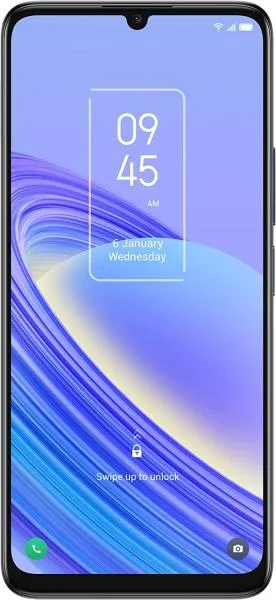
| Feature | TCL 40 SE | Google Pixel 8 Pro | Practical Impact |
|---|---|---|---|
| Design | |||
| Dimensions (mm) | 167.9 x 76.5 x 8.5 | 162.6 x 76.5 x 8.8 | Pixel 8 Pro is slightly shorter and thicker. Negligible difference in everyday use. |
| Weight (g) | 190 | 213 | Pixel 8 Pro is noticeably heavier, potentially impacting one-handed use. |
| Build Materials | Not specified | Not specified | Cannot compare build quality and durability without this information. |
| Display | |||
| Display Type | IPS LCD | LTPO OLED | Pixel 8 Pro offers superior contrast, deeper blacks, and potentially better power efficiency due to LTPO. |
| Display Size (inches) | 6.75 | 6.7 | Negligible size difference. |
| Resolution | 720 x 1600 | 1344 x 2992 | Pixel 8 Pro has significantly higher resolution, resulting in much sharper text and images. |
| Refresh Rate (Hz) | 90 | 120 | Pixel 8 Pro provides smoother scrolling and animations. |
| Peak Brightness (nits) | 450 (typ) | 2400 (peak) | Pixel 8 Pro will be significantly more visible in direct sunlight. |
| Performance | |||
| Chipset | Mediatek Helio G37 (12 nm) | Google Tensor G3 (4 nm) | Tensor G3 offers significantly improved performance and efficiency in demanding tasks and AI processing. |
| CPU | Octa-core (4x2.3 GHz Cortex-A53 & 4x1.8 GHz Cortex-A53) | Nona-core (1x3.0 GHz Cortex-X3 & 4x2.45 GHz Cortex-A715 & 4x2.15 GHz Cortex-A510) | Pixel 8 Pro boasts a much more powerful CPU architecture for demanding tasks and multitasking. |
| RAM (GB) | 4 | 12 | Pixel 8 Pro has substantially more RAM, enabling smoother multitasking and preventing app closures in the background. |
| GPU | PowerVR GE8320 | Immortalis-G715s MC10 | Pixel 8 Pro offers a drastically more powerful GPU, ideal for gaming and graphics-intensive applications. |
| Camera | |||
| Rear Camera (MP) | 50 + 2 + 2 | 50 + 48 + 48 | Pixel 8 Pro offers higher resolution sensors and a more versatile camera system with telephoto and wide-angle capabilities. |
| Video Recording | 1080p@30fps | Up to 4K@60fps with HDR, OIS, EIS | Pixel 8 Pro allows for significantly higher resolution and quality video recording with stabilization. |
| Battery | |||
| Capacity (mAh) | 5010 | 5050 | Negligible difference in battery capacity. Real-world battery life will depend on software optimization and usage. |
| Charging Speed | Not specified | Not specified | Cannot compare charging speeds without specific data. |
2. Key Differences Analysis
TCL 40 SE Advantages:
- Lower Price: Significantly more affordable.
- Lightweight: Easier to hold and carry for extended periods.
Google Pixel 8 Pro Advantages:
- Superior Performance: Significantly faster and smoother for demanding tasks, multitasking, and gaming.
- High-Quality Display: Brighter, sharper, and more vibrant display with smoother refresh rate.
- Advanced Camera System: More versatile and capable camera system with higher resolution sensors, advanced features like optical zoom, and superior video recording capabilities.
- Longer Software Support: Expected to receive longer Android OS and security updates.
Trade-offs:
- Price: The Pixel 8 Pro is significantly more expensive.
- Weight: The Pixel 8 Pro's added weight might be less comfortable for some users.
3. User Profiles & Recommendations
TCL 40 SE: Budget-conscious users who prioritize basic functionality (calling, texting, social media) and long battery life. Ideal for light users and those seeking an affordable secondary device.
Google Pixel 8 Pro: Users who demand top-tier performance, a premium display, an excellent camera, and the latest software features. Ideal for power users, mobile gamers, photographers, and videographers.
4. Decision Framework
Key Questions for Buyers:
- What is your budget? The Pixel 8 Pro commands a premium price.
- What are your primary smartphone usage patterns? Light users might find the TCL 40 SE sufficient.
- How important are camera quality, performance, and display quality? The Pixel 8 Pro excels in these areas.
My Choice: Google Pixel 8 Pro
While significantly more expensive, the Pixel 8 Pro offers a substantial upgrade in performance, display quality, camera capabilities, and software support. The Tensor G3 chip, coupled with 12GB of RAM, ensures a smooth and responsive user experience for years to come. The superior camera system and vibrant display further enhance the overall experience. For me, these advantages outweigh the higher price and added weight. The TCL 40 SE is a viable option for budget-conscious buyers, but the Pixel 8 Pro represents a significant leap in overall quality and user experience. I value performance, a great camera, and long-term software updates, making the Pixel 8 Pro the clear winner for my needs.
