1. Specifications Comparison
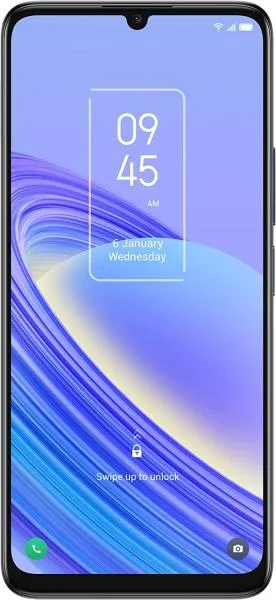
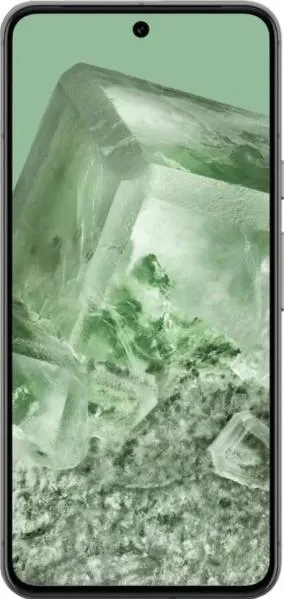
| Feature | TCL 40 SE | Google Pixel 8 | Practical Impact |
|---|---|---|---|
| Design | |||
| Dimensions (mm) | 167.9 x 76.5 x 8.5 | 150.5 x 70.8 x 8.9 | Pixel 8 is significantly more compact and easier to handle one-handed. |
| Weight (g) | 190 | 187 | Negligible weight difference. |
| Build Material | Not specified | Not specified | Build quality and durability cannot be compared without further information. |
| Display | |||
| Size (inches) | 6.75 | 6.2 | TCL 40 SE offers a larger screen for media consumption, while Pixel 8's smaller size benefits one-handed use. |
| Resolution | 720 x 1600 | 1080 x 2400 | Pixel 8 has a much sharper and more detailed display due to significantly higher resolution and pixel density. |
| Display Type | IPS LCD, 90Hz | OLED, 120Hz | Pixel 8's OLED provides deeper blacks, more vibrant colors, and better power efficiency. The higher refresh rate on both ensures smoother scrolling and animations. |
| Peak Brightness (nits) | 450 (typ), 900 (peak) | 1400 (HBM), 2000 (peak) | Pixel 8 offers superior brightness, crucial for outdoor visibility. |
| Performance | |||
| Chipset | Mediatek Helio G37 | Google Tensor G3 | Tensor G3 offers significantly faster CPU and GPU performance, leading to smoother multitasking, faster app loading, and better gaming performance. |
| CPU | Octa-core (Cortex-A53) | Nona-core (Cortex-X3, A715, A510) | Pixel 8's more modern and powerful CPU architecture offers significant performance advantages. |
| RAM (GB) | 4/6 | 8 | More RAM in Pixel 8 allows for smoother multitasking and better handling of demanding applications. Data regarding TCL RAM is incomplete and limits a full comparison. |
| OS | Android 13 | Android 14 | Pixel 8 comes with the latest Android version, ensuring newer features and security updates for a longer period. |
| Camera | |||
| Rear Camera | 50MP + 2MP + 2MP | 50MP + 12MP | Pixel 8, despite having fewer lenses, is expected to offer superior image quality due to its advanced image processing capabilities powered by the Tensor G3 chip. |
| Video Recording | 1080p@30fps | Up to 4K@60fps | Pixel 8 offers significantly better video recording capabilities with higher resolution and frame rates. |
| Battery | |||
| Capacity (mAh) | 5010 | 4575 | TCL 40 SE has a larger battery capacity, potentially offering longer battery life. However, real-world battery life depends on usage and optimization. |
2. Key Differences Analysis
TCL 40 SE Advantages:
- Larger Display: Better for media consumption.
- Potentially Longer Battery Life: Larger battery capacity suggests longer usage between charges.
- Lower Price: Significantly more affordable.
Google Pixel 8 Advantages:
- Significantly Better Performance: Smoother multitasking, faster app loading, enhanced gaming.
- Superior Display: Sharper, more vibrant, and brighter with higher refresh rate.
- Advanced Camera: Expected to deliver better image and video quality due to superior processing.
- Latest Software: Newer Android version with longer support cycle.
- More Premium Design: Expected based on previous Pixel generations, though specifics aren't available.
3. User Profiles & Recommendations
TCL 40 SE: Budget-conscious users prioritizing a large display for media consumption and long battery life. Suitable for basic tasks like browsing, social media, and casual gaming.
Google Pixel 8: Users who value performance, a high-quality camera, the latest software, and a premium experience. Suitable for demanding tasks, mobile photography, and gaming.
4. Decision Framework
Key Questions for Buyers:
- What is your budget? The TCL 40 SE is significantly cheaper.
- What are your primary use cases? Basic tasks vs. demanding applications and photography.
- How important is display quality and performance? Pixel 8 excels in these areas.
Scenario-Based Recommendations:
- Limited Budget, Basic Usage: TCL 40 SE
- Balanced Needs, Value for Money: Consider mid-range alternatives not listed here.
- Performance and Camera Focused: Google Pixel 8
My Choice: Google Pixel 8
While the TCL 40 SE offers a larger battery and lower price, the Pixel 8's significant advantages in performance, display quality, camera capabilities, and software make it the superior choice for me. The Tensor G3 chip, coupled with the OLED display and advanced camera features, provides a far more compelling overall experience. I prioritize a smooth and responsive user experience, a high-quality display, and a capable camera, and am willing to pay more for these features. The longer software support lifecycle of the Pixel also ensures I will receive timely updates and security patches for a longer period. While battery life is important, I find the performance and feature trade-offs of the TCL 40 SE too significant to compromise on.
