
1. Specifications Comparison
| Feature | Sony Xperia 5 V | ZTE nubia Z60 Ultra | Practical Impact |
|---|---|---|---|
| Design | |||
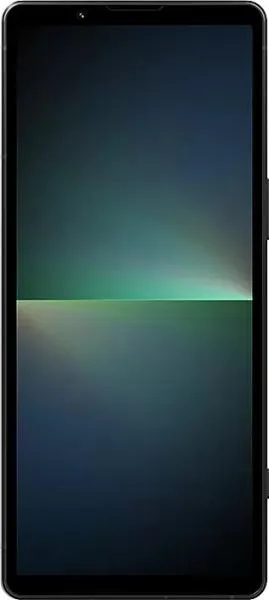
| Dimensions | 154 x 68 x 8.6 mm | 164 x 76.4 x 8.8 mm | Xperia 5 V is significantly smaller and more pocketable; Z60 Ultra is larger, potentially less comfortable for one-handed use. |
| Weight | 182g | 246g | Xperia 5 V is noticeably lighter, reducing hand fatigue during extended use. |
| Display | |||
| Size | 6.1" | 6.8" | Z60 Ultra offers a larger screen for more immersive media consumption and multitasking; Xperia 5 V is more compact. |
| Type | OLED, 1B colors, 120Hz, HDR10, BT.2020 | AMOLED, 1B colors, 120Hz, HDR10, 1500 nits (peak) | Both offer smooth scrolling and vivid colors; Z60 Ultra's higher peak brightness ensures better visibility in direct sunlight. |
| Resolution | 1080 x 2520 | 1116 x 2480 | Similar pixel density (~449 ppi vs ~400 ppi), resulting in sharp visuals on both devices. Z60 Ultra's slightly lower ppi is negligible due to the larger screen size. |
| Performance | |||
| Chipset | Snapdragon 8 Gen 2 | Snapdragon 8 Gen 3 | Z60 Ultra boasts a newer, more powerful chipset, likely resulting in faster performance and better efficiency. |
| CPU | Octa-core (1x3.2 GHz Cortex-X3 & ...) | Octa-core (1x3.3 GHz Cortex-X4 & ...) | Z60 Ultra's Cortex-X4 core and newer architecture should provide a performance boost in demanding tasks. |
| GPU | Adreno 740 | Adreno 750 | Z60 Ultra's upgraded GPU will likely offer smoother gaming and faster graphics rendering. |
| RAM | 8GB | 12GB | Z60 Ultra's larger RAM enables better multitasking and smoother performance with demanding applications. |
| Storage | 256GB | 256GB | Both offer the same storage capacity. |
| Camera | |||
| Video Capabilities | Up to 4K@120fps with OIS/EIS | Up to 8K@30fps and 4K@120fps with EIS | Both offer excellent video recording capabilities; Z60 Ultra boasts 8K recording, but practical benefits depend on user needs and workflow. Xperia offers OIS for potentially smoother footage in some scenarios. Missing details about specific camera sensors limit a complete comparison. |
| Battery | |||
| Capacity | 5000 mAh | 6000 mAh | Z60 Ultra's larger battery likely translates to significantly longer battery life. |
2. Key Differences Analysis
ZTE nubia Z60 Ultra Advantages:
- Superior Performance: Newer and more powerful chipset, CPU, and GPU translate to faster processing, smoother gaming, and better overall performance.
- Larger Display: Provides a more immersive experience for media consumption and multitasking.
- Higher Peak Brightness: Ensures better screen visibility outdoors.
- Larger Battery: Offers significantly longer battery life.
- More RAM: Enables smoother multitasking and handles demanding applications better.
Sony Xperia 5 V Advantages:
- More Compact and Lighter: Easier to handle and carry, particularly for one-handed use.
- Potentially Better Video Stabilization: OIS alongside EIS might offer smoother video footage compared to EIS alone, although real-world performance needs further testing.
3. User Profiles & Recommendations
ZTE nubia Z60 Ultra: Ideal for power users, gamers, and multimedia enthusiasts who prioritize performance, a large screen, and long battery life.
Sony Xperia 5 V: Suited for users who value portability, compact design, and one-handed usability. Good for those who prioritize a lighter phone for everyday use.
4. Decision Framework
Key Questions for Buyers:
- Do you prioritize performance and battery life over portability?
- How important is a large screen for your usage?
- What is your budget and how important is price-to-performance ratio?
Scenario-Based Recommendations:
- Heavy user, gamer: Z60 Ultra
- On-the-go user, values portability: Xperia 5 V
My Choice: ZTE nubia Z60 Ultra
While I appreciate the compact form factor of the Xperia 5 V, the ZTE nubia Z60 Ultra offers a compelling combination of performance, battery life, and a large, bright display. The Snapdragon 8 Gen 3, larger RAM, and 6000mAh battery are significant advantages for my usage, which involves heavy multitasking, media consumption, and occasional gaming. The extra weight is a trade-off I'm willing to make for the significant performance gains and longer battery life. The potential benefits of the Xperia's OIS are not enough to outweigh the Z60 Ultra's overall superior specifications, especially the newer processor and significantly larger battery.
