1. Specifications Comparison
| Feature | Sony Xperia 5 V | Xiaomi Redmi Note 13 4G | Practical Impact |
|---|---|---|---|
| Design | |||
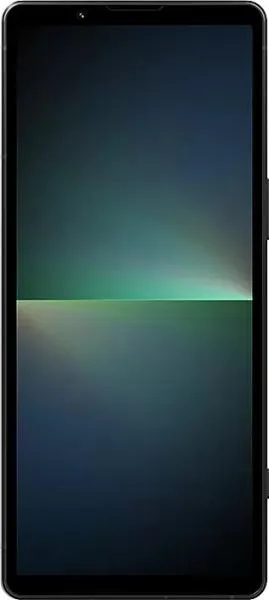
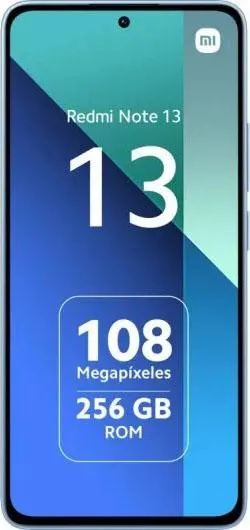
| Dimensions | 154 x 68 x 8.6 mm | 162.3 x 75.6 x 8 mm | Xperia 5 V is noticeably smaller and thinner, making it more pocketable and easier to handle one-handed. Redmi Note 13 4G is larger, potentially better for media consumption but less comfortable for one-handed use. |
| Weight | 182g | 188.5g | Negligible weight difference in real-world usage. |
| Build Materials | Not specified | Not specified | Cannot compare build quality and durability without material information. |
| Display | |||
| Size | 6.1" | 6.67" | Redmi Note 13 4G offers a significantly larger screen for more immersive media consumption and multitasking. Xperia 5 V provides a more compact viewing experience. |
| Type | OLED, 1B colors, 120Hz, HDR10, BT.2020 | AMOLED, 120Hz, 1800 nits (peak) | Both offer smooth scrolling and vivid colors. Redmi's higher peak brightness (1800 nits) ensures better outdoor visibility. Xperia's BT.2020 support suggests wider color gamut for content creation. |
| Resolution | 1080 x 2520 | 1080 x 2400 | Similar sharpness despite different aspect ratios. Xperia 5 V's slightly higher pixel density might offer marginally crisper text. |
| Performance | |||
| Chipset | Snapdragon 8 Gen 2 (4 nm) | Snapdragon 685 (6 nm) | Xperia 5 V boasts a significantly more powerful flagship chipset, resulting in much faster performance for demanding tasks, gaming, and multitasking. Redmi Note 13 4G's mid-range chipset is sufficient for everyday use but will struggle with demanding applications. |
| CPU | Octa-core (1x3.2 GHz Cortex-X3 & 2x2.8 GHz Cortex-A715 & 2x2.8 GHz Cortex-A710 & 3x2.0 GHz Cortex-A510) | Octa-core (4x2.8 GHz Cortex-A73 & 4x1.9 GHz Cortex-A53) | Xperia 5 V's CPU architecture is newer and more powerful, enabling significantly faster processing speeds. |
| GPU | Adreno 740 | Adreno 610 | Xperia 5 V's GPU provides a substantial advantage in gaming performance and graphics-intensive tasks. |
| RAM | 8GB | 8GB | Same RAM capacity, ensuring smooth multitasking on both devices, although the Xperia will handle heavier loads better due to its superior processor. |
| Storage | 256GB | 128GB/256GB | Both offer ample storage. |
| Camera | |||
| Video Capabilities | Up to 4K@120fps (HDR, OIS, EIS) | 1080p@30fps | Xperia 5 V offers vastly superior video recording capabilities with higher resolution, frame rates, HDR, and stabilization. Redmi Note 13 4G's video recording is basic. |
| Detailed Camera Specs | Missing | Missing | Cannot compare image quality, features, and low-light performance without detailed camera specifications. |
| Battery | |||
| Capacity | 5000 mAh | 5000 mAh | Similar battery capacity suggests comparable battery life, but real-world usage will vary depending on screen size, processor efficiency, and software optimization. |
2. Key Differences Analysis
Xperia 5 V Advantages:
- Significantly more powerful: The Snapdragon 8 Gen 2 provides a massive performance advantage for demanding tasks and gaming.
- Superior video recording: Offers much higher resolution, frame rates, and stabilization.
- More compact and pocketable: Easier to handle one-handed.
- Potentially better display color accuracy: BT.2020 support indicates a wider color gamut.
Redmi Note 13 4G Advantages:
- Larger display: More immersive for media consumption and multitasking.
- Higher peak brightness: Better visibility outdoors.
- Potentially lower price: Though both are mid-range, the Redmi is likely more affordable.
- Longer Software Support: Will receive updates for longer than the Xperia.
Trade-offs:
- Performance vs. Price: Xperia 5 V prioritizes performance with a flagship chipset, likely at a higher price. Redmi Note 13 4G offers a more budget-friendly option with compromised performance.
- Size and Portability vs. Screen Real Estate: Xperia 5 V is compact and pocketable but has a smaller screen. Redmi Note 13 4G offers a larger display but is less portable.
3. User Profiles & Recommendations
Xperia 5 V: Ideal for users who prioritize performance, gaming, high-quality video recording, and a compact form factor. Suitable for demanding tasks, content creation, and mobile gaming enthusiasts.
Redmi Note 13 4G: Suitable for users who primarily use their phone for everyday tasks like browsing, social media, and casual media consumption. A good option for budget-conscious buyers who prioritize a large screen and good battery life.
4. Decision Framework
Key Questions:
- What is your budget? The Xperia 5 V will likely be more expensive.
- What are your primary phone usage patterns? Gaming and demanding tasks vs. casual use.
- Do you prioritize performance or battery life and screen size?
Scenario-based Recommendations:
- Heavy gamer: Xperia 5 V
- Budget-conscious social media user: Redmi Note 13 4G
- Content creator needing high-quality video: Xperia 5 V
My Choice: Sony Xperia 5 V
While the Redmi Note 13 4G offers a larger display and potentially longer software updates, the significant performance difference offered by the Xperia 5 V's Snapdragon 8 Gen 2 is the deciding factor for me. I value smooth performance, especially for future-proofing the device, and I often use my phone for demanding tasks and occasional mobile gaming. The superior video recording capabilities are also a compelling advantage. I'm willing to compromise on screen size for the significant performance gains and more compact form factor. The longer software support of the Redmi is tempting, but the performance difference is too substantial to ignore.
