1. Specifications Comparison
| Feature | Sony Xperia 5 V | Xiaomi Redmi Note 13 | Practical Impact |
|---|---|---|---|
| Design | |||
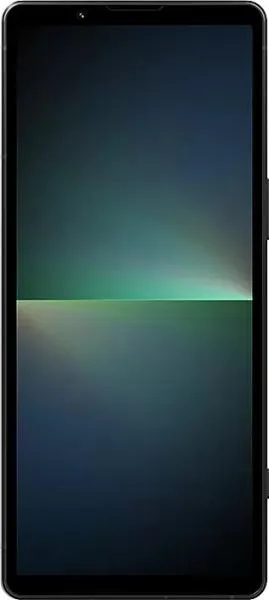
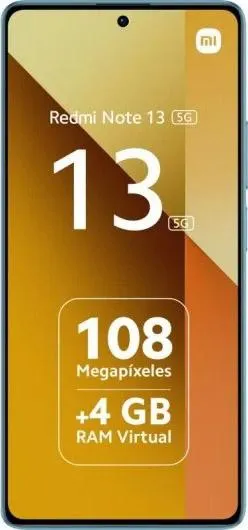
| Dimensions | 154 x 68 x 8.6 mm | 161.1 x 75 x 7.6 mm | Xperia 5 V is noticeably narrower and slightly thicker, potentially offering a better one-handed grip but feeling less sleek. Redmi Note 13 is larger overall. |
| Weight | 182g | 174.5g | Xperia 5 V is slightly heavier, but the difference is negligible in real-world use. |
| Build Materials | Not specified | Not specified | Unable to compare build quality and durability without more information. |
| Display | |||
| Display Type | OLED, 1B colors, 120Hz, HDR10, BT.2020 | AMOLED, 1B colors, 120Hz, 1000 nits (peak) | Both offer smooth scrolling and vibrant colors. Redmi Note 13's higher peak brightness ensures better visibility in direct sunlight. |
| Size | 6.1" | 6.67" | Redmi Note 13 offers significantly more screen real estate for media consumption and multitasking, but might be less pocketable. |
| Resolution | 1080 x 2520 | 1080 x 2400 | Xperia 5 V has a slightly higher resolution due to its taller aspect ratio, resulting in a marginally sharper image. The difference is unlikely to be noticeable in everyday use. |
| PPI | 449 | 395 | Xperia 5 V's higher pixel density results in slightly sharper text and images, but the difference is minimal. |
| Performance | |||
| Chipset | Snapdragon 8 Gen 2 (4nm) | Dimensity 6080 (6nm) | Xperia 5 V features a significantly more powerful processor, leading to much smoother performance in demanding tasks like gaming and video editing. |
| CPU | Octa-core (1x3.2 GHz Cortex-X3 & 2x2.8 GHz Cortex-A715 & 2x2.8 GHz Cortex-A710 & 3x2.0 GHz Cortex-A510) | Octa-core (2x2.4 GHz Cortex-A76 & 6x2.0 GHz Cortex-A55) | The Xperia 5 V's CPU architecture is newer and more powerful, offering substantial performance advantages. |
| GPU | Adreno 740 | Mali-G57 MC2 | Xperia 5 V boasts a considerably more capable GPU, delivering significantly better gaming and graphics performance. |
| RAM | 8GB | 8GB/12GB | Both offer ample RAM for everyday tasks. The 12GB option on the Redmi Note 13 provides additional headroom for multitasking. |
| Storage | 256GB | 256GB | Both offer the same storage capacity. |
| Camera | |||
| Video Capabilities | Up to 4K@120fps with OIS/EIS | 1080p@30fps | Xperia 5 V offers vastly superior video recording capabilities, including higher resolution, frame rates, and stabilization. |
| Specific Sensor Details | Not specified for either phone | Not specified for either phone | Image quality comparison is impossible without sensor specifications (size, aperture, etc.). |
| Battery | |||
| Capacity | 5000 mAh | 5000 mAh | Both phones have the same battery capacity. Real-world battery life will depend on usage patterns and software optimization. |
| Other | |||
| OS Updates | Up to Android 14 | Up to Android 16 | Redmi Note 13 will receive longer software updates, ensuring security and new features for a longer period. |
| Price Range | Medium | Low | Redmi Note 13 is significantly more affordable. |
2. Key Differences Analysis
Xperia 5 V Advantages:
- Significantly superior performance: The Snapdragon 8 Gen 2 provides a substantial advantage in speed and responsiveness.
- Much better video recording capabilities: Offers higher resolution, frame rates, and stabilization.
- Slightly more compact design: Potentially better for one-handed use.
- Marginally sharper display: Due to higher pixel density.
Redmi Note 13 Advantages:
- Much lower price: Offers excellent value for money.
- Larger display: Better for media consumption and multitasking.
- Longer software support: Will receive updates for a longer period.
- Higher peak brightness: Better outdoor visibility.
- More RAM option: 12GB option available for enhanced multitasking
3. User Profiles & Recommendations
Xperia 5 V: Users who prioritize performance, premium feel, and excellent video recording capabilities, and are willing to pay a higher price. Ideal for demanding tasks like gaming, video editing, and photography.
Redmi Note 13: Budget-conscious users who prioritize a large display, long software support, and good overall value. Suitable for everyday tasks like browsing, social media, and media consumption.
4. Decision Framework
Key Questions:
- What is your budget? The Redmi Note 13 offers excellent value for its price, while the Xperia 5 V commands a premium.
- What are your primary use cases? Gamers and content creators will benefit from the Xperia 5 V's performance. Casual users might find the Redmi Note 13 sufficient.
- How important are software updates and longevity? The Redmi Note 13 offers longer software support.
My Choice: Sony Xperia 5 V
While the Redmi Note 13 offers excellent value, I would choose the Sony Xperia 5 V. The significantly superior performance of the Snapdragon 8 Gen 2 and the advanced video recording capabilities are crucial for my use case. I often use my phone for demanding tasks and value a smooth, lag-free experience. I also appreciate the more compact form factor. While the price difference is notable, I prioritize performance and a premium user experience over longer software updates in this particular comparison. The shorter update window is a calculated compromise I'm willing to make for the superior hardware.
