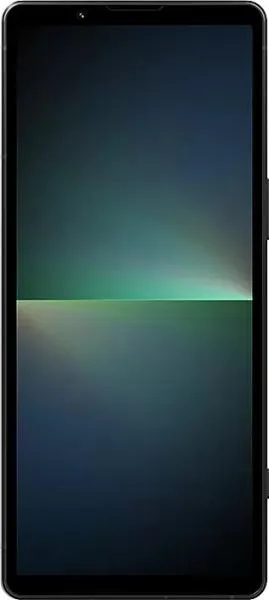
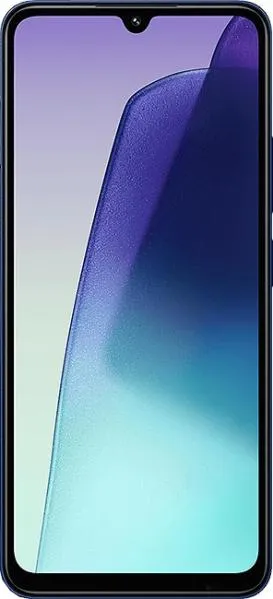
1. Specifications Comparison
| Feature | Sony Xperia 5 V | Xiaomi Redmi 14C | Practical Impact |
|---|---|---|---|
| Design | |||
| Dimensions | 154x68x8.6mm | 171.9x77.8x8.2mm | Xperia 5 V is significantly more compact and pocketable. Redmi 14C is larger, potentially less comfortable for one-handed use. |
| Weight | 182g | 211g | Xperia 5 V is noticeably lighter, reducing hand fatigue during extended use. |
| Build Material | N/A | N/A | Build material impacts durability and premium feel; information is missing for both. |
| Display | |||
| Display Type | OLED, 1B colors, 120Hz | IPS LCD, 120Hz | Xperia 5 V's OLED offers superior contrast, deeper blacks, and potentially better power efficiency. Redmi 14C's LCD is less vibrant. |
| Size | 6.1" | 6.88" | Redmi 14C provides a larger screen for media consumption and multitasking, Xperia 5 V offers a more one-hand-friendly experience. |
| Resolution | 1080x2520 | 720x1640 | Xperia 5 V has a sharper display (449 ppi vs 260 ppi), resulting in clearer text and images. |
| Refresh Rate | 120Hz | 120Hz | Both offer smooth scrolling and animations. |
| Performance | |||
| Chipset | Snapdragon 8 Gen 2 | Helio G81 Ultra | Xperia 5 V boasts significantly more powerful CPU and GPU, enabling smoother performance in demanding tasks and games. |
| CPU | Octa-core (1x3.2 GHz...) | Octa-core (2x2.0 GHz...) | Xperia 5 V's CPU architecture and clock speeds offer superior processing power. |
| GPU | Adreno 740 | Mali-G52 MC2 | Xperia 5 V's GPU provides a substantial advantage in graphics performance for gaming and visually intensive applications. |
| RAM | 8GB | 6GB/8GB | Both offer sufficient RAM for multitasking, though 8GB provides more headroom for demanding applications. |
| Storage | 256GB | 128GB | Xperia 5 V offers double the storage. |
| Camera | |||
| Video Capabilities | 4K@120fps, HDR... | 1080p@30fps | Xperia 5 V offers significantly superior video recording capabilities with higher resolution, frame rates, and HDR. |
| Specific Sensor Details | Missing | Missing | Detailed sensor specifications are crucial for assessing camera quality; this information is lacking for both. |
| Battery | |||
| Capacity | 5000 mAh | 5160 mAh | Redmi 14C has a slightly larger battery capacity, but real-world battery life depends on optimization and usage patterns. |
2. Key Differences Analysis
Xperia 5 V Advantages:
- Significantly more powerful: Snapdragon 8 Gen 2 offers a substantial performance advantage for demanding tasks and gaming.
- Superior display: OLED technology with higher resolution and pixel density delivers a more vibrant and sharper visual experience.
- More compact and lighter: Easier to handle and carry.
- Advanced video recording capabilities: Supports higher resolutions, frame rates, and HDR.
Redmi 14C Advantages:
- Slightly larger battery: Potentially longer battery life, but real-world performance depends on various factors.
- Larger display: More screen real estate for media consumption and multitasking.
- Potentially lower price: Though both are in the "medium price" range, the Redmi 14C might be more affordable.
3. User Profiles & Recommendations
Xperia 5 V: Ideal for users who prioritize performance, a premium display, a compact form factor, and advanced camera features. Suitable for demanding tasks, mobile gaming, and content creation.
Redmi 14C: Suitable for users who prioritize battery life, a large screen for media consumption, and value for money. Best for casual usage, browsing, and less demanding tasks.
4. Decision Framework
Key Questions:
- What is your budget? While both are mid-range, the Redmi 14C is likely more affordable.
- What are your primary use cases? Gaming and demanding tasks favor the Xperia 5 V; media consumption favors the Redmi 14C.
- Do you prioritize portability or screen size? The Xperia 5 V is more compact, while the Redmi 14C offers a larger display.
My Choice: Sony Xperia 5 V
While the Redmi 14C offers a larger battery and display, the Sony Xperia 5 V is the clear winner for me. The significantly superior performance, vibrant OLED display, compact form factor, and advanced video recording capabilities outweigh the minor advantages of the Redmi 14C. I prioritize a smooth and responsive user experience, a high-quality display, and the ability to capture high-quality videos. The Xperia 5 V's powerful hardware ensures future-proofing and a better overall user experience in the long run. The slightly larger battery of the Redmi 14C isn't enough to compensate for the significant performance gap and the lower quality display.
