1. Specifications Comparison
| Feature | Sony Xperia 5 V | Xiaomi Poco F6 | Practical Impact |
|---|---|---|---|
| Design | |||
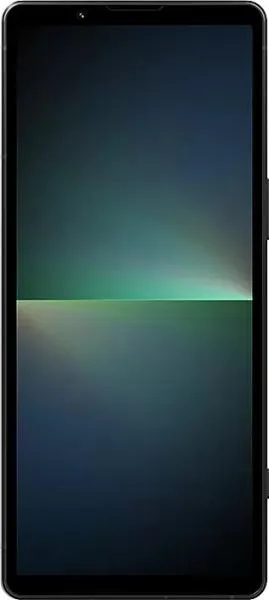
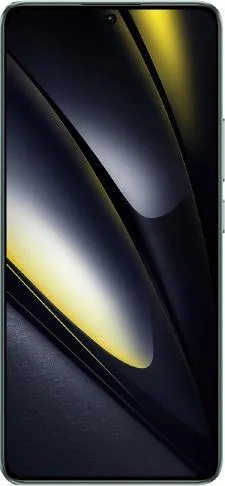
| Dimensions | 154 x 68 x 8.6 mm | 160.5 x 74.5 x 8 mm | Xperia 5 V is noticeably smaller and thinner, making it more pocketable and easier to handle one-handed. Poco F6 is larger, potentially better for media consumption but less comfortable for one-handed use. |
| Weight | 182g | 179g | Negligible weight difference; both phones are relatively lightweight. |
| Fingerprint Sensor | Side-mounted | Under-display | Personal preference; side-mounted sensors are often faster and more reliable, while under-display sensors offer a cleaner aesthetic. |
| Display | |||
| Size | 6.1" | 6.67" | Poco F6 offers a significantly larger screen for more immersive media consumption and multitasking. Xperia 5 V's smaller size benefits one-handed usability. |
| Type | OLED, 1B colors, 120Hz, HDR10, BT.2020 | AMOLED, 68B colors, 120Hz, HDR10+, Dolby Vision | Both offer smooth 120Hz AMOLED displays with HDR support. Poco F6 boasts Dolby Vision and a higher color depth (68B vs 1B), potentially resulting in slightly more vibrant and accurate colors. |
| Resolution | 1080 x 2520 | 1220 x 2712 | Poco F6 has a higher resolution, but the difference in sharpness may not be noticeable in everyday use due to the similar pixel densities (around 450 ppi). |
| Peak Brightness | Not specified | 2400 nits | Poco F6's significantly higher peak brightness ensures excellent outdoor visibility, even in direct sunlight. The lack of data for the Xperia 5 V prevents a direct comparison. |
| Performance | |||
| Chipset | Snapdragon 8 Gen 2 | Snapdragon 8+ Gen 1 | Xperia 5 V's 8 Gen 2 offers a notable performance advantage over the Poco F6's 8+ Gen 1, resulting in smoother multitasking, faster app loading, and better gaming performance. |
| RAM | 8GB | 12GB | Poco F6's 12GB RAM enables superior multitasking and allows more apps to remain in memory, reducing reload times. |
| Storage | 256GB | 512GB | Poco F6 offers double the storage capacity, catering to users who store large amounts of media or files. |
| Camera | |||
| Video Capabilities | Up to 4K@120fps with OIS/EIS | Up to 4K@60fps with EIS | Xperia 5 V supports higher frame rate video recording (120fps vs 60fps) and includes Optical Image Stabilization (OIS) for smoother footage, especially in low light. Poco F6 relies solely on Electronic Image Stabilization (EIS). More detailed camera specs (sensor size, aperture) are needed for a comprehensive comparison. |
| Battery | |||
| Capacity | 5000 mAh | 5000 mAh | Both phones have the same battery capacity. Real-world battery life will depend on factors like screen size, processor efficiency, and software optimization. |
2. Key Differences Analysis
Sony Xperia 5 V Advantages:
- More compact and ergonomic design: Easier for one-handed use and portability.
- More powerful processor: Noticeably better performance for demanding tasks and gaming.
- Superior video recording capabilities: Higher frame rates and Optical Image Stabilization.
Xiaomi Poco F6 Advantages:
- Larger, brighter display: More immersive media consumption and better outdoor visibility.
- More RAM and storage: Superior multitasking and ample space for files.
- More recent Android version (at launch): Potentially longer software support.
3. User Profiles & Recommendations
Sony Xperia 5 V: Ideal for users who prioritize a compact, powerful phone with excellent camera capabilities. Suitable for one-handed use, gaming, and content creation.
Xiaomi Poco F6: Ideal for users who value a large, bright display, ample RAM and storage, and long-term software updates. Suitable for media consumption, multitasking, and users who store lots of files.
4. Decision Framework
Key Questions:
- Do you prioritize one-handed usability and portability or a large screen for media consumption?
- How important is raw performance for gaming and demanding tasks?
- What is your budget, and how much storage do you need?
My Choice: Sony Xperia 5 V
While the Poco F6 offers a tempting combination of a large display, ample memory, and long software support, I would choose the Sony Xperia 5 V. The more powerful Snapdragon 8 Gen 2, superior video recording capabilities, and more compact form factor are decisive factors for me. I prioritize performance and portability, and the Xperia 5 V excels in these areas. The smaller screen size is a trade-off I'm willing to make for a more pocketable device. While the Poco F6's brighter display is attractive, the lack of peak brightness information for the Xperia hinders a direct comparison. Ultimately, the performance difference and more manageable size of the Xperia 5 V align better with my personal preferences and usage patterns.
