1. Specifications Comparison
| Feature | Sony Xperia 5 V | Xiaomi 13T | Practical Impact |
|---|---|---|---|
| Design | |||
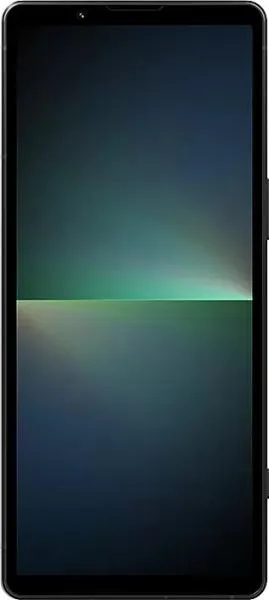
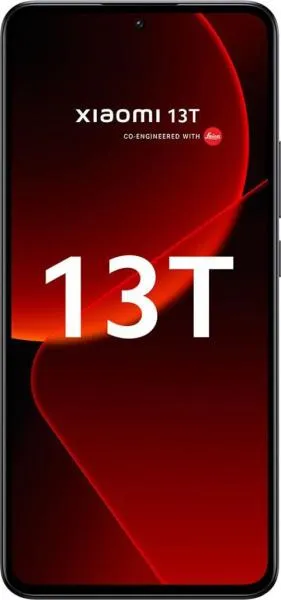
| Dimensions | 154 x 68 x 8.6 mm | 162.2 x 75.7 x 8.5 mm | Xperia 5 V is noticeably smaller and narrower, making it more pocketable and easier to use one-handed. Xiaomi 13T is larger, potentially better for media consumption but less comfortable for one-handed use. |
| Weight | 182g | 219g | Xperia 5 V is significantly lighter, reducing hand fatigue during extended use. |
| Display | |||
| Size | 6.1" | 6.67" | Xiaomi 13T offers a larger screen for more immersive media consumption and multitasking. Xperia 5 V is more compact. |
| Type | OLED, 1B colors, 120Hz, HDR10, BT.2020 | AMOLED, 68B colors, 144Hz, Dolby Vision, HDR10+, 1200 nits (HBM), 2600 nits (peak) | Both offer excellent displays. Xiaomi 13T boasts a higher refresh rate (smoother animations) and significantly higher peak brightness (better outdoor visibility). While 68B colors offer a wider theoretical color gamut, discerning the difference from 1B colors in real-world usage is challenging for most users. Dolby Vision on the 13T offers potentially better HDR performance. |
| Resolution | 1080 x 2520 | 1220 x 2712 | Xiaomi 13T has a sharper display due to the higher resolution, though both are sufficiently sharp at their respective sizes. |
| Performance | |||
| Chipset | Snapdragon 8 Gen 2 | Dimensity 8200 Ultra | Snapdragon 8 Gen 2 generally offers better peak performance and GPU performance, important for demanding gaming and multitasking. Dimensity 8200 Ultra is a powerful chip, but likely performs slightly below the 8 Gen 2. |
| RAM | 8GB | 12GB | Xiaomi 13T offers more RAM, enabling better multitasking and app retention in the background. |
| Storage | 256GB | 256GB | Storage capacity is equal. |
| Camera | |||
| Video Capabilities | Up to 4K@120fps with OIS & EIS | Up to 4K@30fps with EIS | Xperia 5 V offers significantly more versatile video recording options, including higher frame rates and optical stabilization (OIS) for smoother footage at all resolutions. |
| Battery | |||
| Capacity | 5000 mAh | 5000 mAh | Battery capacity is the same. Real-world battery life will depend on usage patterns and software optimization. |
2. Key Differences Analysis
Xperia 5 V Advantages:
- More Compact and Lighter: Significantly easier for one-handed use and portability.
- Superior Video Recording: More versatile options with higher frame rates and OIS.
- Generally More Powerful Chipset: Snapdragon 8 Gen 2 offers better peak and gaming performance.
Xiaomi 13T Advantages:
- Larger and Brighter Display: More immersive for media consumption, better outdoor visibility.
- Higher Refresh Rate: Smoother scrolling and animations.
- More RAM: Improved multitasking and app retention.
3. User Profiles & Recommendations
Xperia 5 V: Users who prioritize a compact, lightweight phone with excellent video recording capabilities and top-tier performance. Ideal for one-handed use, content creation, and gaming.
Xiaomi 13T: Users who prioritize a large, bright display with a high refresh rate for immersive media consumption and multitasking. Suitable for users who frequently use their phones for watching videos, browsing, and productivity tasks.
4. Decision Framework
Key Questions:
- How important is one-handed usability and portability?
- Do you prioritize video recording quality and versatility?
- Is a larger, brighter display with a higher refresh rate essential for your usage?
Scenario-Based Recommendations:
- Frequent traveler or one-handed user: Xperia 5 V
- Heavy media consumer: Xiaomi 13T
- Mobile gamer: Xperia 5 V (due to the Snapdragon 8 Gen 2)
My Choice: Sony Xperia 5 V
While the Xiaomi 13T offers a compelling display and more RAM, the Sony Xperia 5 V aligns better with my personal priorities. I value a compact and lightweight phone for comfortable everyday use. The superior video recording capabilities are a significant advantage, as is the generally more powerful Snapdragon chipset. The slightly smaller display is a trade-off I'm willing to make for the improved ergonomics and portability. The higher refresh rate of the 13T is appealing, but 120Hz on the Xperia is already very smooth. Finally, while 8GB of RAM is sufficient for my usage, the performance difference between the Snapdragon 8 Gen 2 and the Dimensity 8200 Ultra is likely more significant in real-world usage than the RAM difference.
