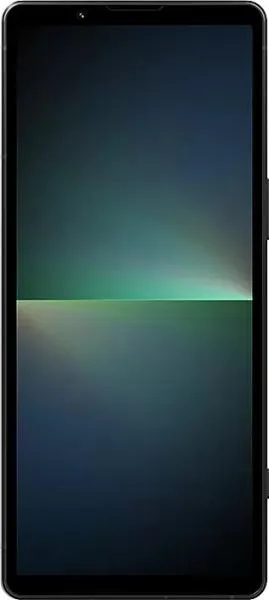
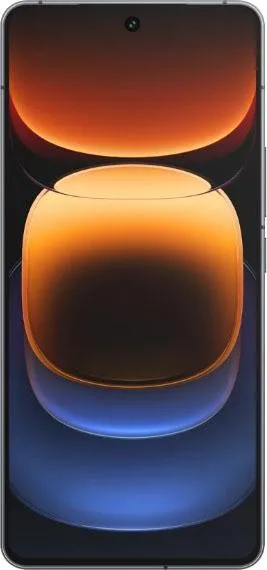
1. Specifications Comparison
| Feature | Sony Xperia 5 V | vivo iQOO 12 | Practical Impact |
|---|---|---|---|
| Design | |||
| Dimensions | 154 x 68 x 8.6 mm | 163.2 x 75.9 x 8.1 mm | Xperia 5 V is significantly smaller and more pocketable; iQOO 12 is larger, potentially less comfortable for one-handed use. |
| Weight | 182g | 198.5g | Xperia 5 V is noticeably lighter, reducing hand fatigue during extended use. |
| Display | |||
| Size | 6.1" | 6.78" | iQOO 12 offers a much larger screen for more immersive media consumption and multitasking; Xperia 5 V prioritizes one-handed usability. |
| Type | OLED, 120Hz, HDR10, BT.2020 | LTPO AMOLED, 144Hz, HDR10+, 1400 nits (HBM), 3000 nits (peak) | Both offer excellent displays. iQOO 12 boasts higher peak brightness for better outdoor visibility and a slightly smoother refresh rate but using LTPO can dynamically adjust the refresh rate saving battery. |
| Resolution | 1080 x 2520 | 1260 x 2800 | iQOO 12 has a sharper display due to higher resolution and larger size. |
| Performance | |||
| Chipset | Snapdragon 8 Gen 2 | Snapdragon 8 Gen 3 | iQOO 12 features a newer, more powerful chipset, resulting in faster performance, improved graphics rendering, and better power efficiency. |
| CPU | Octa-core (1x3.2 GHz Cortex-X3...) | Octa-core (1x3.3 GHz Cortex-X4...) | iQOO 12's CPU offers a performance advantage in demanding tasks and multitasking due to its newer architecture. |
| GPU | Adreno 740 | Adreno 750 | iQOO 12's GPU provides a significant boost in graphics performance, benefiting gaming and other visually intensive applications. |
| RAM/Storage | 256GB/8GB | 512GB/16GB, 1000GB/16GB | iQOO 12 offers significantly more RAM and storage options, enabling smoother multitasking and ample space for files and apps. |
| Camera | |||
| Video Capabilities | Up to 4K@120fps (HDR, OIS, EIS) | Up to 8K@30fps (EIS) | iQOO 12 can record in higher resolution (8K); both offer extensive video features, though specific sensor details are missing for a deeper comparison. Xperia has OIS for potentially better video stabilization. |
| Battery | |||
| Capacity | 5000 mAh | 5000 mAh | Both have the same battery capacity, but real-world battery life depends on optimization and usage patterns. iQOO 12's more efficient chip might provide longer battery life. |
2. Key Differences Analysis
Sony Xperia 5 V Advantages:
- Compactness and Ergonomics: Significantly smaller and lighter, making it ideal for one-handed use and portability.
- Potentially Better Video Stabilization: Xperia offers OIS and EIS whereas the iQOO 12 only offers EIS
vivo iQOO 12 Advantages:
- Superior Performance: Newer and more powerful chipset, resulting in faster processing, better graphics, and improved efficiency.
- Larger and Sharper Display: More immersive media consumption and enhanced multitasking experience.
- More RAM and Storage: Smoother performance with demanding applications and ample storage space.
- Higher Resolution Video Recording: Capability to record videos in 8K resolution.
3. User Profiles & Recommendations
Sony Xperia 5 V: Ideal for users who prioritize a compact and lightweight phone without compromising on flagship-level performance. Best for one-handed use, portability, and those who value a smaller form factor.
vivo iQOO 12: Suitable for users who demand top-tier performance, a large and immersive display, and ample storage. Excellent for gamers, power users, and multimedia enthusiasts.
4. Decision Framework
Key Questions for Buyers:
- What screen size do you prefer? Large screen for media consumption or compact for one-handed use?
- What level of performance do you need? Top-tier performance for demanding tasks or is a slightly older flagship chip sufficient?
- What is your budget and storage requirement? Do you need ample storage or is a base model sufficient?
My Choice: vivo iQOO 12
While I appreciate the Xperia 5 V's compact design, the vivo iQOO 12's superior performance, larger display, and more generous RAM and storage are more compelling for my needs. The newer Snapdragon 8 Gen 3 chip offers a significant performance advantage, which is important for future-proofing and demanding tasks. The larger display enhances media consumption and productivity. While 8K recording is a niche feature, it's a nice bonus. The extra RAM ensures smooth multitasking, which is crucial for my workflow. Although I prefer smaller phones generally, the overall performance and feature set of the iQOO 12 outweigh the size difference for me.
