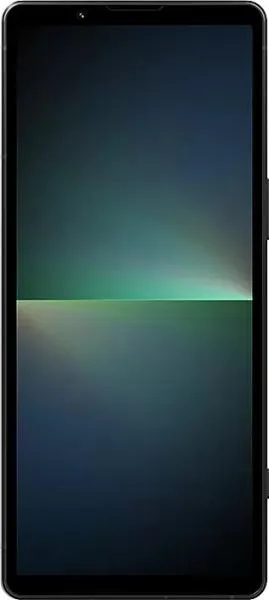
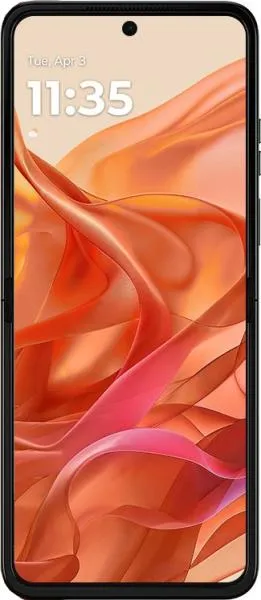
1. Specifications Comparison
| Feature | Sony Xperia 5 V | Motorola Razr 50 | Practical Impact |
|---|---|---|---|
| Design | |||
| Dimensions | 154x68x8.6mm | 171.3x74x7.3mm | Razr 50 significantly taller and wider when unfolded, but thinner and more pocketable when folded. Xperia 5 V is a more traditional candybar design. |
| Weight | 182g | 188.4g | Negligible weight difference in practical use. |
| Foldable | No | Yes | Razr 50 offers a compact folded size and a larger screen when unfolded, adding versatility but with potential durability concerns. |
| Display | |||
| Size | 6.1" | 6.9" | Razr 50 offers a significantly larger screen area for media consumption and multitasking. |
| Type | OLED, 120Hz, HDR10 | Foldable AMOLED, 120Hz, HDR10+ | Both offer smooth scrolling and vibrant colors. Razr 50's foldable display technology may introduce a crease and potential durability issues. |
| Resolution | 1080x2520 | 1080x2640 | Similar pixel density due to Razr 50's larger size; both offer sharp visuals. |
| Peak Brightness | Not specified | 3000 nits | Razr 50's superior peak brightness ensures better outdoor visibility. Missing Xperia 5 V data prevents full comparison. |
| Performance | |||
| Chipset | Snapdragon 8 Gen 2 | Dimensity 7300X | Snapdragon 8 Gen 2 generally offers significantly better performance in demanding tasks and gaming. |
| CPU | Octa-core (1x3.2 GHz Cortex-X3...) | Octa-core (4x2.5 GHz Cortex-A78...) | Snapdragon 8 Gen 2's architecture provides a performance advantage, especially in single-core tasks. |
| GPU | Adreno 740 | Mali-G615 MC2 | Adreno 740 provides superior graphics performance for gaming and demanding applications. |
| RAM | 8GB | 12GB | Razr 50's larger RAM enables better multitasking and app switching, keeping more apps in memory. |
| Storage | 256GB | 512GB | Razr 50 offers double the storage, crucial for users who store large files like photos and videos. |
| Battery | |||
| Capacity | 5000 mAh | 4200 mAh | Xperia 5 V likely offers longer battery life due to larger capacity and potentially more efficient chipset. |
| Camera | Xperia boasts significantly more advanced video recording capabilities including higher resolution, frame rates, and stabilization (OIS/EIS) |
2. Key Differences Analysis
Xperia 5 V Advantages:
- Superior Performance: Significantly more powerful processor and GPU for smoother gaming and demanding tasks.
- Potentially Longer Battery Life: Larger battery capacity suggests better longevity.
- More Robust Video Recording: Wider range of resolutions, frame rates, and stabilization features.
Razr 50 Advantages:
- Foldable Design: Offers a compact form factor when folded and a large screen when unfolded.
- Larger Display: Provides more immersive media consumption and better multitasking.
- Larger RAM and Storage: Enables smoother multitasking and ample space for files.
- Higher Peak Brightness: Ensures better visibility in direct sunlight.
3. User Profiles & Recommendations
Xperia 5 V: Ideal for users prioritizing performance, battery life, and traditional smartphone design. Suitable for mobile gaming, content creation, and power users.
Razr 50: Best for users who value portability and a large screen, accepting potential trade-offs in performance and battery life. Suitable for those who prioritize compactness and enjoy the novelty of a foldable device.
4. Decision Framework
Key Questions:
- Is a foldable design a priority? If compactness is paramount, the Razr 50 is the only option.
- How important is raw performance? Gamers and power users will prefer the Xperia 5 V's superior chipset.
- What is your budget and storage requirement? The Razr 50 offers more storage but might be more expensive. Actual pricing needs to be confirmed.
My Choice: Sony Xperia 5 V
While the Razr 50's foldable design is intriguing, the Xperia 5 V's superior performance, potentially longer battery life, and more advanced video recording capabilities are more important to me. I prioritize a smooth user experience and reliable performance for demanding tasks and gaming. The traditional candybar design is also more robust and familiar. While the Razr 50 has advantages in screen size, RAM, and storage, the performance difference and potential battery life advantage of the Xperia 5 V make it a more compelling overall package for my needs. The lack of peak brightness information for the Xperia is a concern, but the other strengths outweigh this unknown for me.
