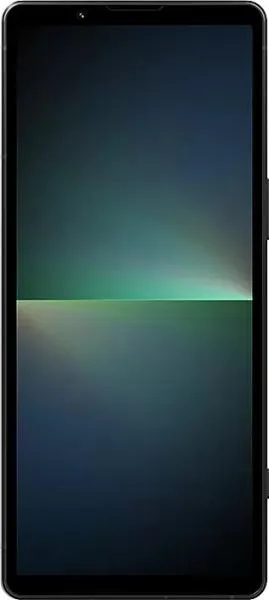

1. Specifications Comparison
| Feature | Sony Xperia 5 V | Motorola Moto G85 | Practical Impact |
|---|---|---|---|
| Design | |||
| Dimensions | 154 x 68 x 8.6 mm | 161.9 x 73.1 x 7.6 mm | Xperia 5 V is noticeably smaller and thinner, making it more pocketable and easier to handle one-handed. Moto G85 is larger, potentially better for media consumption but less ergonomic. |
| Weight | 182g | 171g | While the Moto G85 is slightly lighter, the difference is minimal in real-world usage. |
| Build Materials | Not specified | Not specified | Cannot compare build quality and durability without material information. |
| Display | |||
| Size | 6.1" | 6.67" | Moto G85 offers a significantly larger screen for more immersive media consumption and multitasking. Xperia 5 V prioritizes one-hand usability. |
| Type | OLED, 1B colors, 120Hz, HDR10, BT.2020 | P-OLED, 1B colors, 120Hz, 1600 nits (peak) | Both offer smooth scrolling and vibrant colors. The Moto G85's higher peak brightness (1600 nits) ensures better outdoor visibility. Xperia 5 V supports wider color gamut (BT.2020) potentially offering more accurate colors in professional applications. |
| Resolution | 1080 x 2520 | 1080 x 2400 | Similar sharpness due to Xperia 5 V's slightly higher pixel density (449 ppi vs 395 ppi), but difference is negligible in everyday use. |
| Performance | |||
| Chipset | Snapdragon 8 Gen 2 | Snapdragon 6s Gen 3 | Xperia 5 V boasts a significantly more powerful flagship chipset, resulting in much faster performance for demanding tasks, gaming, and multitasking. Moto G85 offers decent mid-range performance. |
| CPU | Octa-core (1x3.2 GHz Cortex-X3 & 2x2.8 GHz Cortex-A715 & 2x2.8 GHz Cortex-A710 & 3x2.0 GHz Cortex-A510) | Octa-core (2x2.3 GHz Cortex-A78 & 6x2.0 GHz Cortex-A55) | Xperia 5 V's CPU architecture provides superior processing power and efficiency. |
| GPU | Adreno 740 | Adreno 619 | Xperia 5 V's GPU offers significantly better graphics performance for gaming and other visually intensive tasks. |
| RAM | 8GB | 12GB | Moto G85 having more RAM might improve multitasking and app switching in the long run, but Xperia 5 V's superior processor could offset this in practice. |
| Storage | 256GB | 256GB | Both offer the same storage capacity. |
| Camera | |||
| Video Capabilities | Up to 4K@120fps (HDR, OIS, EIS) | 1080p@60fps | Xperia 5 V offers significantly superior video recording capabilities with higher resolution, frame rates, and advanced stabilization features (OIS/EIS). Missing detailed camera specs limit a full comparison. |
| Battery | |||
| Capacity | 5000 mAh | 5000 mAh | Both phones have the same battery capacity. Real-world battery life will depend on software optimization and usage patterns. Xperia 5 V's more powerful processor could potentially drain battery faster. |
2. Key Differences Analysis
Xperia 5 V Advantages:
- Significantly more powerful: The Snapdragon 8 Gen 2 provides a substantial performance advantage for demanding tasks and gaming.
- Superior video recording: Offers much higher resolution, frame rates, and stabilization.
- More compact and ergonomic design: Easier for one-handed use and portability.
Moto G85 Advantages:
- Larger display: More immersive experience for media consumption and multitasking.
- Higher peak brightness: Better visibility in direct sunlight.
- Potentially longer software support: Being a newer release, might receive Android updates for a longer period. More RAM could benefit multitasking in the long term.
3. User Profiles & Recommendations
Xperia 5 V: Users who prioritize performance, compact size, and high-quality video recording. Ideal for mobile gaming, content creation, and power users.
Moto G85: Users who prioritize a large display, good battery life, and affordability. Suitable for media consumption, casual gaming, and everyday tasks.
4. Decision Framework
Key Questions:
- What is your budget? Both are mid-range, but the Xperia 5 V likely sits at the higher end.
- What are your performance needs? Power users and gamers will prefer the Xperia 5 V.
- What screen size do you prefer? Larger display (Moto G85) for media consumption, smaller (Xperia 5 V) for one-handed use.
My Choice: Sony Xperia 5 V
While the Moto G85 offers a larger display and potentially longer software updates, the significant performance difference offered by the Xperia 5 V's Snapdragon 8 Gen 2 is the deciding factor for me. I prioritize a smooth and responsive user experience, especially for tasks like gaming and multitasking. The superior video recording capabilities of the Xperia 5 V are also a major plus. I'm willing to compromise on screen size for the overall performance and premium feel of the Xperia 5 V. The more compact form factor also appeals to my preference for one-handed usability.
