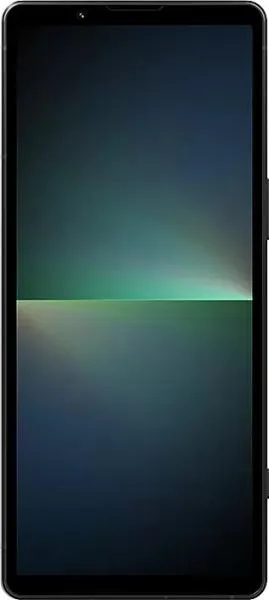
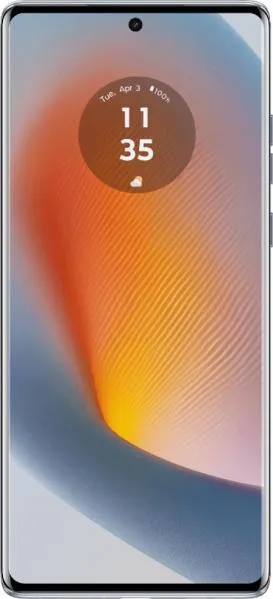
1. Specifications Comparison
| Feature | Sony Xperia 5 V | Motorola Edge 50 Fusion | Practical Impact |
|---|---|---|---|
| Design | |||
| Dimensions | 154 x 68 x 8.6 mm | 161.9 x 73.1 x 7.9 mm | Xperia 5 V is noticeably smaller and thinner, making it more pocketable and easier to handle one-handed. Edge 50 Fusion might feel bulkier. |
| Weight | 182g | 174.9g | While the weight difference is minimal, the Xperia feels denser due to its smaller size. |
| Fingerprint Sensor | Side-mounted | Under-display | Personal preference, but side-mounted sensors are often faster and more reliable. |
| Display | |||
| Size | 6.1" | 6.7" | Edge 50 Fusion offers a significantly larger screen for more immersive media consumption and multitasking. Xperia 5 V prioritizes one-handed usability. |
| Type | OLED, 1B colors, 120Hz, HDR10, BT.2020 | P-OLED, 1B colors, 120/144Hz, 1600 nits (peak) | Both offer excellent color accuracy and smooth scrolling. The Edge 50 Fusion's higher peak brightness ensures better visibility outdoors. The variable refresh rate on the Edge (depending on region) can improve battery life. |
| Resolution | 1080 x 2520 | 1080 x 2400 | Xperia 5 V has a slightly higher pixel density (449 ppi vs 393 ppi) resulting in sharper text and images, though the difference might not be noticeable in everyday use. |
| Performance | |||
| Chipset | Snapdragon 8 Gen 2 | Snapdragon 7s Gen 2 | Xperia 5 V features a flagship processor, offering significantly better performance for demanding tasks, gaming, and future-proofing. Edge 50 Fusion offers good mid-range performance. |
| CPU | Octa-core (1x3.2 GHz Cortex-X3 & 2x2.8 GHz Cortex-A715 & 2x2.8 GHz Cortex-A710 & 3x2.0 GHz Cortex-A510) | Octa-core (4x2.40 GHz Cortex-A78 & 4x1.95 GHz Cortex-A55) | The Xperia 5 V's CPU configuration is superior, leading to faster app loading, smoother multitasking, and better handling of demanding applications. |
| GPU | Adreno 740 | Adreno 710 | Xperia 5 V's GPU provides a significant advantage in gaming performance and graphics-intensive tasks. |
| RAM | 8GB | 8GB | Both offer sufficient RAM for smooth multitasking. |
| Storage | 256GB | 256GB | Both offer the same storage capacity. No information on expandable storage is provided for either phone. |
| Camera | |||
| Video Capabilities | Up to 4K@120fps (HDR, OIS, EIS) | Up to 4K@30fps (EIS) | Xperia 5 V offers superior video recording capabilities with higher resolution, frame rates, and HDR support along with both OIS and EIS. |
| Battery | |||
| Capacity | 5000 mAh | 5000 mAh | Similar battery capacities suggest comparable battery life, but real-world usage will depend on software optimization and individual usage patterns. |
| OS | Android 13 (upgradable to 14) | Android 14 (upgradable to 17) | Edge 50 Fusion launches with a newer Android version and has a longer promised software update cycle. |
| USB | USB Type-C 3.2, OTG, DisplayPort | USB Type-C 2.0, OTG | Xperia offers faster data transfer speeds and DisplayPort for connecting to external displays. |
2. Key Differences Analysis
Sony Xperia 5 V Advantages:
- Significantly more powerful: The Snapdragon 8 Gen 2 provides a substantial performance advantage for demanding tasks and gaming.
- Superior video recording: Offers higher resolution, frame rates, and HDR support.
- More compact and pocketable: Smaller dimensions make it easier for one-handed use.
- Faster data transfer and DisplayPort: USB 3.2 and DisplayPort offer enhanced connectivity options.
Motorola Edge 50 Fusion Advantages:
- Larger display: More immersive experience for media consumption.
- Brighter display: Better visibility in direct sunlight. Potentially variable refresh rate.
- Longer software support: Guaranteed updates to Android 17.
- Potentially lower price: While both are mid-range, regional pricing might favor the Edge.
3. User Profiles & Recommendations
Sony Xperia 5 V: Ideal for users who prioritize performance, compact size, and high-quality video recording. Suitable for mobile gaming, content creation, and multitasking.
Motorola Edge 50 Fusion: Suitable for users who prefer a large display for media consumption, value longer software updates, and prioritize battery life over peak performance. Good for casual gaming, social media, and general use.
4. Decision Framework
Key Questions:
- What level of performance do you need? Heavy gamers and power users will prefer the Xperia 5 V.
- How important is screen size and portability? Large screen enthusiasts will prefer the Edge 50 Fusion, while those who value one-handed use will prefer the Xperia 5 V.
- How much do you value software updates and future-proofing? The Motorola Edge 50 Fusion will get significantly more software updates.
My Choice: Sony Xperia 5 V
While the Motorola Edge 50 Fusion offers a compelling package with its large display and longer software support, I would choose the Sony Xperia 5 V. The significant performance difference offered by the Snapdragon 8 Gen 2 is crucial for my usage, which includes mobile gaming and demanding productivity tasks. I also prioritize the compact form factor and superior video recording capabilities of the Xperia 5 V. While I acknowledge the shorter software support lifespan, the performance benefits outweigh this drawback for me. The faster USB standard and the inclusion of DisplayPort further solidify my choice, as I frequently transfer large files and occasionally connect my phone to an external display.
