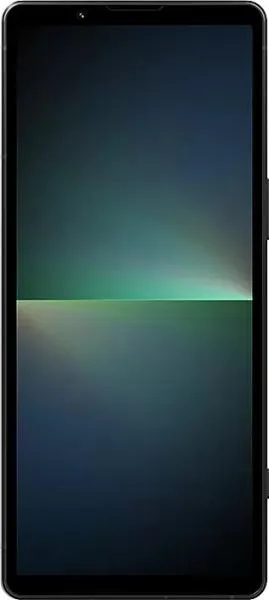

1. Specifications Comparison
| Feature | Sony Xperia 5 V | Google Pixel 8 Pro | Practical Impact |
|---|---|---|---|
| Design | |||
| Dimensions | 154 x 68 x 8.6 mm | 162.6 x 76.5 x 8.8 mm | Pixel 8 Pro is noticeably larger and may be less comfortable for one-handed use. Xperia 5 V is more pocketable. |
| Weight | 182g | 213g | Xperia 5 V is significantly lighter, reducing fatigue during extended use. |
| Build | Build materials not specified for either phone, limiting comparison. | ||
| Display | |||
| Size | 6.1" | 6.7" | Pixel 8 Pro offers a larger screen for more immersive media consumption and multitasking. |
| Type | OLED, 1B colors, 120Hz, HDR10, BT.2020 | LTPO OLED, 120Hz, HDR10+, 1600 nits (HBM), 2400 nits (peak) | Both offer smooth scrolling and vibrant colors. Pixel 8 Pro's LTPO allows for more granular refresh rate control, potentially saving battery. Its higher peak brightness ensures better visibility in sunlight. |
| Resolution | 1080 x 2520 | 1344 x 2992 | Pixel 8 Pro has a sharper display with higher pixel density (489 vs 449 ppi). |
| Performance | |||
| Chipset | Snapdragon 8 Gen 2 | Google Tensor G3 | Both are high-end chipsets, but Snapdragon 8 Gen 2 generally benchmarks higher in raw performance. Tensor G3 is optimized for AI and machine learning tasks. |
| CPU | Octa-core (1x3.2 GHz Cortex-X3 & 2x2.8 GHz Cortex-A715 & 2x2.8 GHz Cortex-A710 & 3x2.0 GHz Cortex-A510) | Nona-core (1x3.0 GHz Cortex-X3 & 4x2.45 GHz Cortex-A715 & 4x2.15 GHz Cortex-A510) | Core configurations suggest comparable performance, though real-world usage will depend on optimization. |
| GPU | Adreno 740 | Immortalis-G715s MC10 | Adreno 740 generally offers stronger graphical performance for gaming. |
| RAM | 8GB | 12GB | Pixel 8 Pro's larger RAM enables better multitasking and smoother performance with demanding applications. |
| Battery | |||
| Capacity | 5000 mAh | 5050 mAh | Negligible difference in battery capacity. Real-world battery life will depend on software optimization and usage patterns. |
| Camera | |||
| Video Capabilities | Extensive options up to 4K@120fps | Offers up to 4K@60fps and 1080p@240fps slow-motion | Xperia offers more high-resolution video recording options. Pixel offers higher frame rate slow-motion recording. Detailed camera sensor specifications are missing, hindering a thorough comparison. |
2. Key Differences Analysis
Sony Xperia 5 V Advantages:
- More Compact and Lighter: Significantly more pocketable and comfortable for one-handed use.
- Potentially Superior Gaming Performance: Snapdragon 8 Gen 2 and Adreno 740 generally deliver better gaming performance.
- More Comprehensive High-Resolution Video Recording Options: Offers more choices for professional or enthusiast videographers.
Google Pixel 8 Pro Advantages:
- Larger, Sharper Display: More immersive for media consumption and productivity. Brighter display for better outdoor visibility.
- More RAM: Smoother multitasking and better performance with demanding apps.
- Longer Software Support: Guaranteed updates for a longer period (up to Android 21).
- AI-Focused Chipset: Tensor G3 excels in AI-powered features like photography and voice assistance.
- Under-Display Fingerprint Sensor Potentially more convenient than side-mounted.
3. User Profiles & Recommendations
Sony Xperia 5 V: Ideal for users who prioritize a compact and lightweight phone with strong performance, particularly for gaming and video recording.
Google Pixel 8 Pro: Suitable for users who prefer a large, high-quality display, value long-term software updates, and appreciate AI-powered features. Good for media consumption, multitasking, and general productivity.
4. Decision Framework
Key Questions for Buyers:
- Do you prioritize one-handed usability and portability or a larger display?
- How important is long-term software support and AI features?
- Is gaming performance a primary concern, or are general use and camera quality more important?
My Choice: Google Pixel 8 Pro
While the Xperia 5 V is compelling for its compact size and potential performance advantages, the Pixel 8 Pro's comprehensive package makes it my preferred choice. The larger, brighter, and sharper display is a significant advantage for my media consumption and productivity needs. The longer software support ensures a future-proof investment. While I acknowledge the Snapdragon 8 Gen 2's general performance edge, the Tensor G3's AI capabilities and the Pixel's overall user experience are more appealing to me. The extra RAM is also valuable for multitasking. Finally, the under-display fingerprint sensor is a personal preference. While specific camera sensor details are missing, Pixel phones generally excel in computational photography, making it a likely winner in image quality as well. The slightly larger size and weight are acceptable trade-offs for the benefits offered.
