1. Specifications Comparison
| Feature | Sony Xperia 5 V | Asus ROG Phone 8 Pro | Practical Impact |
|---|---|---|---|
| Design | |||
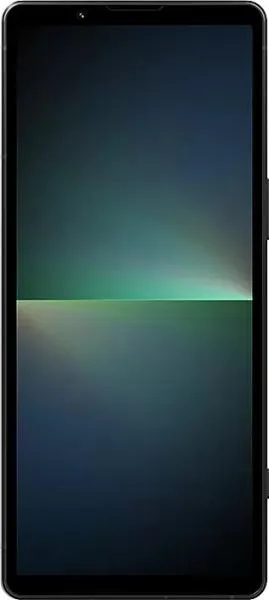
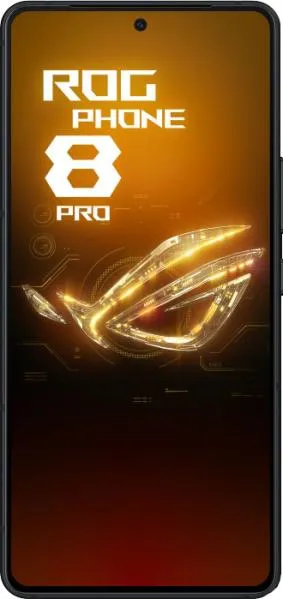
| Dimensions | 154x68x8.6mm | 163.8x76.8x8.9mm | ROG Phone 8 Pro significantly larger and heavier. Xperia 5 V more pocketable and comfortable for one-handed use. ROG Phone may be less suitable for users with smaller hands. |
| Weight | 182g | 225g | Significant weight difference. Xperia 5 V noticeably lighter for daily carry and extended use. ROG Phone's weight can be tiring for some users. |
| Display | |||
| Size | 6.1" | 6.78" | Larger display on ROG Phone provides more immersive experience for media consumption and gaming. Xperia 5 V's smaller size benefits one-handed usability. |
| Type | OLED, 120Hz | LTPO AMOLED, 165Hz | Both offer excellent displays. ROG Phone's LTPO panel allows for variable refresh rate, potentially saving battery. Higher refresh rate provides smoother animations and scrolling, especially in games. |
| Resolution | 1080x2520 | 1080x2400 | Similar pixel density due to size difference. Both offer sharp visuals. |
| Peak Brightness | Not specified | 2500 nits | ROG Phone's significantly higher peak brightness ensures excellent outdoor visibility. Lack of data for Xperia makes direct comparison impossible but high brightness is crucial in sunny conditions. |
| Performance | |||
| Chipset | Snapdragon 8 Gen 2 | Snapdragon 8 Gen 3 | Newer generation chipset in ROG Phone 8 Pro translates to faster processing, improved graphics, and better power efficiency. |
| CPU | Octa-core (3.2 GHz...) | Octa-core (3.3 GHz...) | ROG Phone 8 Pro boasts slightly faster clock speeds and a newer CPU architecture, leading to performance gains in demanding tasks and multitasking. |
| GPU | Adreno 740 | Adreno 750 | More powerful GPU in ROG Phone delivers higher frame rates and smoother gameplay, especially in graphically demanding games. |
| RAM | 8GB | 24GB | Massively more RAM in ROG Phone enables seamless multitasking and keeps more apps open in the background without reloading. This is a significant advantage for power users. |
| Storage | 256GB | 1000GB | Significantly more storage in ROG Phone for users with large media libraries and who install many apps and games. |
| Battery | |||
| Capacity | 5000 mAh | 6000 mAh | Larger battery capacity in ROG Phone generally translates to longer battery life. |
2. Key Differences Analysis
Sony Xperia 5 V Advantages:
- Compact and Lightweight: Significantly more pocketable and easier to handle for one-handed use.
- Potentially Lower Price: While both are in the "medium price" range, the Xperia 5 V is likely more affordable given its earlier release and less powerful specs.
Asus ROG Phone 8 Pro Advantages:
- Superior Performance: Newer and more powerful chipset, CPU, and GPU, resulting in significantly faster performance for gaming and demanding tasks.
- Larger Display and Higher Refresh Rate: More immersive experience for media consumption and gaming. Smoother scrolling and animations.
- Much Larger RAM and Storage: Enables extreme multitasking and accommodates vast amounts of data.
- Larger Battery: Potentially longer battery life.
- Brighter Display: Far superior outdoor visibility.
3. User Profiles & Recommendations
Sony Xperia 5 V: Users who prioritize a compact and lightweight phone with good performance for everyday tasks, social media, and light gaming. Ideal for those who value one-handed usability and portability.
Asus ROG Phone 8 Pro: Power users, mobile gamers, and content creators who demand top-tier performance, a large and immersive display, and extensive multitasking capabilities.
4. Decision Framework
Key Questions:
- What is your budget? The ROG Phone 8 Pro will likely be more expensive.
- What is your primary use case? Gaming and heavy multitasking favor the ROG Phone. Everyday use, portability, and media consumption might favor the Xperia, depending on your preference for size.
- Do you prioritize one-handed usability and portability? The Xperia 5 V excels in this area.
My Choice: Asus ROG Phone 8 Pro
While I appreciate the compact form factor of the Xperia 5 V, the ROG Phone 8 Pro's superior performance, massive RAM and storage, larger battery, and brighter display are decisive factors for me. The significant upgrades in core components like the chipset and GPU would provide a noticeably better experience for my usage, which includes gaming, multitasking, and content creation. The much larger battery is also compelling. While the size and weight are trade-offs, the performance benefits outweigh those concerns for my needs. The brighter display ensures usability in any lighting conditions, addressing a crucial practical concern.
