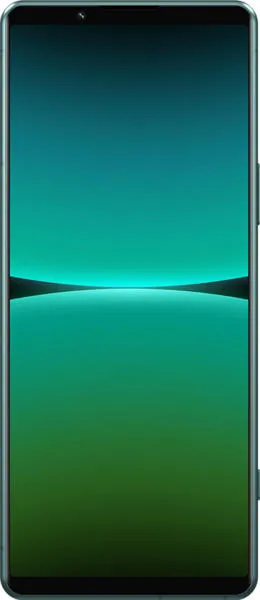
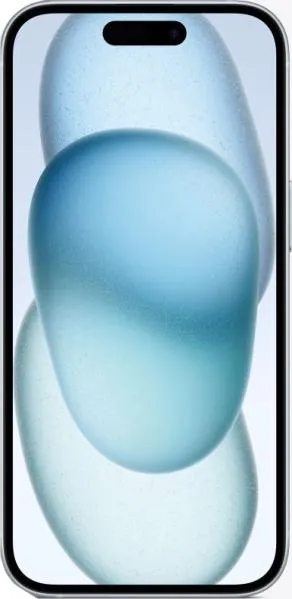
Alright, let's dive deep into the Sony Xperia 5 IV and the Apple iPhone 15. We're going to go beyond the spec sheets and look at how these differences actually impact your daily experience.
1. Specifications Breakdown
| Feature | Sony Xperia 5 IV | Apple iPhone 15 | Real-World Implications |
|---|---|---|---|
| Design | |||
| Size (mm) | 156 x 67 x 8.2 | 147.6 x 71.6 x 7.8 | Sony is taller, Apple is wider, both are similar thickness. Consider handling comfort and pocketability. |
| Weight (g) | 172 | 171 | Negligible difference in weight; both are light enough for comfortable daily use. |
| Build | Gorilla Glass Victus Front | Unknown | Sony has superior screen protection. Apple's is unknown but likely comparable. |
| Display | |||
| Size (inches) | 6.1 | 6.1 | Identical screen sizes; both ideal for one-handed use and media consumption. |
| Resolution | 1080 x 2520 | 1179 x 2556 | Apple offers slightly sharper visuals, but the difference may not be noticeable to the naked eye. |
| Refresh Rate | 120Hz | 60Hz | Sony provides smoother animations and scrolling, which makes a more responsive feel during gaming and general UI use. |
| Brightness (nits) | 0 | 2000 | Apple offers superior outdoor visibility, particularly important in bright sunlight. |
| Performance | |||
| Chipset | Snapdragon 8 Gen 1 | A16 Bionic | Apple's A16 Bionic is significantly more powerful based on AnTuTu scores, offering faster app loading and overall smoother system experience. |
| AnTuTu Score | 1,021,542 | 1,470,000 | The iPhone is considerably faster, translating to better performance during gaming and demanding applications. |
| RAM (GB) | 8 | 6 | Sony has more RAM, which can help with multitasking, but the iOS optimization of the iPhone often makes it less of a need. |
| Camera | |||
| Main Camera (MP) | 12 | 48 | Apple’s higher megapixel count allows for more detail and flexibility when editing photos. |
| Main Aperture | f/1.7 | f/1.6 | Apple’s slightly wider aperture performs better in low-light conditions. |
| Main Sensor Size | 1/1.7" | 1/1.5" | Apple's larger sensor will capture more light and detail, improving low-light performance. |
| Telephoto Lens | Yes | No | Sony has a dedicated telephoto lens for optical zoom, while iPhone uses digital zoom on the main camera. |
| Wide-Angle Lens | Yes | No | Sony has a dedicated wide-angle lens for capturing broader scenes. iPhone uses main camera digitally zoomed out. |
| Wide/Macro Lens | No | Yes | Apple offers close-up macro photography that Sony does not. |
| Camera DXOMark | Main: 119, Photo: 121, Video: 113 | Main: 145, Photo: 147, Video: 153 | Apple scores much better in DXOMark ratings, indicating superior camera performance overall. |
| Video | 4K up to 120fps | 4K up to 60fps & 1080p up to 240fps | Both offer 4K quality, but Sony has additional 4k framerate options while iPhone offers a higher frame rate for 1080p slow-motion. |
| Features | Triple Camera, OIS/EIS | Dual Camera, OIS, Cinematic Mode | Sony focuses on a versatile zoom system, while iPhone offers unique cinematic video effects. |
| Battery Life | |||
| Capacity (mAh) | 5000 | 3877 | Sony has a much larger battery, which would give it a bigger lead in battery life, as long as its optimized properly. |
| Charging | 30W Fast | 20W Fast | Sony can charge faster with 30W, allowing you to top up your battery more quickly. |
| Wireless Charging | No | 15W MagSafe, 7.5W Qi | The iPhone has wireless charging options, including MagSafe compatibility, which the Sony is lacking. |
| Other | |||
| Operating System | Android 12 | iOS 17 | Different OS ecosystems; personal preference will play a big role. |
| Expandable Storage | No | No | Neither device offers expandable storage. |
| Biometric Security | Fingerprint Sensor | Basic Security Features | Sony offers more secure biometric authentication. |
| Bluetooth Version | 5.2 | 5.3 | Apple has a newer bluetooth version that might help with energy efficiency and compatibility. |
2. Key Insights
Sony Xperia 5 IV:
- Multimedia Focus: The Xperia 5 IV is designed for those who want a strong multimedia experience, particularly with its 120Hz display, versatile triple-camera setup including dedicated telephoto and wide-angle lenses, and Hi-Res Audio features. The larger battery is also a big plus for media consumption.
- Versatile Camera System: The inclusion of a telephoto and wide-angle lens offers a range of creative options and optical zoom which provides higher quality zoom than digital zoom.
- Strong Battery Life: The combination of a bigger battery and bypass charging can make for a phone that is hard to kill.
Apple iPhone 15:
- Performance King: The A16 Bionic chipset gives the iPhone 15 a significant performance lead, making it incredibly responsive and ideal for demanding apps and games.
- Superior Camera Quality: The 48MP main camera, wider aperture, larger sensor and great DxOMark scores provides superior image quality and more flexibility in post-processing.
- Seamless Ecosystem: The iPhone excels in its tight integration with the Apple ecosystem, which offers a smooth user experience for those already invested in Apple products and services.
- Brighter Display: The 2000 nits brightness will make the phone much more visible in sunny environments.
- Wireless Charging: The inclusion of MagSafe and Qi wireless charging provides options for on the go charging with a variety of devices.
3. User Profiles and Recommendations
Sony Xperia 5 IV:
- Multimedia Enthusiasts: Users who heavily consume media, enjoy high refresh rate gaming, or use their phones for creative video/photography will appreciate the 120Hz display, versatile cameras, and audio features.
- Android Purists: Those who prefer the Android OS and its customization options will find the Xperia 5 IV a solid choice.
- Power Users: With its large battery, the Xperia can make for a great phone for users who are constantly on the go and might not be able to recharge as much.
Apple iPhone 15:
- Performance Seekers: Gamers, professionals, and heavy app users who need the most responsive and capable device will benefit from the iPhone 15's processing power.
- Photo/Video Content Creators: The 48MP camera with its low-light capabilities and the seamless experience of the iOS ecosystem are perfect for photographers, video creators, and social media enthusiasts.
- Apple Ecosystem Users: Those already invested in the Apple ecosystem (Macs, iPads, etc.) will find that the iPhone offers the most streamlined and integrated experience.
4. Buying Decision Framework
Key Questions:
- Performance or Versatility?: Are you prioritizing raw speed and power (iPhone 15), or do you prefer a device with flexible camera options and high refresh rate screen (Xperia 5 IV)?
- Ecosystem Preference?: Are you more comfortable in the Apple ecosystem (iOS) or Android ecosystem (Android)?
- Battery Life or Charging Speed?: Would you prefer long battery life for less time tethered to an outlet or a much faster wireless charging experience?
Scenario-Based Recommendations:
- For the Gamer/Power User: If you demand the best performance and use your phone for intense gaming or resource-intensive apps, the iPhone 15 is the clear winner.
- For the Content Creator: If you are passionate about photos and video and want excellent quality with more creativity, the iPhone 15's camera, higher DxOMark score, and wider ecosystem will help you capture and edit.
- For the Multimedia Enthusiast: If you love watching movies, listening to music, and playing games with high refresh rates and a versatile camera setup, the Xperia 5 IV is the better choice.
- For the user on the go: If you are constantly moving and need the most battery life, the Sony Xperia 5 IV would be a better choice.
What I would choose and Why:
If I had to choose between the Sony Xperia 5 IV and the Apple iPhone 15, I would personally choose the iPhone 15. While the Xperia 5 IV offers a lot of great features with its 120hz display, versatile camera lenses, and larger battery, the gap in raw processing power and ecosystem integration is what ultimately tips the scale for me.
As a tech journalist, I often find myself needing the most responsive device for testing apps and the ability to take high quality photos for documentation. The significant jump in benchmark scores and the overall consistency of the iOS experience, make the iPhone a clear choice. While I would miss the 120Hz refresh rate, the better performance, brighter display, camera quality, and ecosystem advantages make it the more suitable device for my needs.
Furthermore, while the 2000 nit brightness may seem like a small feature, it can make the device incredibly more useful in certain environments, especially with my use case in different environments where clear visibility of my phone is critical.
Ultimately, both of these phones are impressive devices, but the iPhone 15 is the better option for my workflow and personal preferences.
