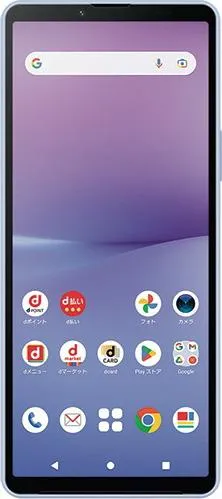

1. Specifications Comparison
| Feature | Sony Xperia 10 V | Xiaomi Redmi Note 13 Pro+ | Practical Impact |
|---|---|---|---|
| Design | |||
| Dimensions (mm) | 155 x 68 x 8.3 | 161.4 x 74.2 x 8.9 | Xperia 10 V is significantly more compact and pocketable. Redmi Note 13 Pro+ is larger and may feel bulky for some. |
| Weight (g) | 159 | 199 | Xperia 10 V is noticeably lighter, reducing hand fatigue during extended use. |
| Build Material | Missing | Missing | Build quality and durability cannot be compared without this information. |
| Display | |||
| Display Size | 6.1" | 6.67" | Redmi Note 13 Pro+ offers a larger screen for more immersive media consumption and multitasking. |
| Resolution | 1080 x 2520 | 1220 x 2712 | Both offer sharp displays, but Redmi Note 13 Pro+ has a slightly higher resolution. |
| Display Type | OLED | AMOLED | Both offer excellent contrast and vibrant colors. |
| Refresh Rate | Missing | 120Hz | Redmi Note 13 Pro+'s 120Hz refresh rate delivers smoother scrolling and animations, resulting in a more fluid user experience. |
| Peak Brightness | Missing | 1800 nits | Redmi Note 13 Pro+'s higher peak brightness ensures better visibility in direct sunlight. |
| Performance | |||
| Chipset | Snapdragon 695 5G (6 nm) | Dimensity 7200 Ultra (4 nm) | Redmi Note 13 Pro+ boasts a significantly more powerful chipset, leading to faster app loading, smoother multitasking, and better gaming performance. |
| CPU | Octa-core (2x2.2 GHz Kryo 660 & 6x1.7 GHz Kryo 660) | Octa-core (2x2.8 GHz Cortex-A715 & 6x2.0 GHz Cortex-A510) | Redmi Note 13 Pro+'s CPU architecture offers superior processing power. |
| GPU | Adreno 619 | Mali-G610 MC4 | Redmi Note 13 Pro+'s GPU is more capable for demanding games and graphics-intensive tasks. |
| RAM | 6GB / 8GB | 8GB / 12GB / 16GB | Redmi Note 13 Pro+ offers higher RAM options, improving multitasking performance. |
| Camera | |||
| Main Camera | 48MP (Sony IMX582) | 200MP (Samsung ISOCELL HP3) | Redmi Note 13 Pro+ has a much higher resolution main sensor, potentially capturing more detail. However, megapixel count isn't the sole determinant of image quality. |
| Video Recording | 1080p@30fps | 4K@30fps | Redmi Note 13 Pro+ supports higher resolution video recording. |
| Battery | |||
| Capacity | 5000 mAh | 5000 mAh | Both phones have the same battery capacity, but real-world battery life depends on various factors like software optimization and display refresh rate. |
2. Key Differences Analysis
Sony Xperia 10 V Advantages:
- Compactness and Lightweight: Significantly smaller and lighter, ideal for one-handed use and portability.
Xiaomi Redmi Note 13 Pro+ Advantages:
- Superior Performance: Much more powerful chipset, CPU, and GPU for a smoother and faster overall experience.
- Larger, High-Refresh Rate Display: More immersive media consumption and smoother interactions due to the 120Hz display.
- Higher Resolution Camera: Potentially captures more detailed photos and videos.
- Brighter Display: Better outdoor visibility.
3. User Profiles & Recommendations
Sony Xperia 10 V: Users prioritizing compact size, lightweight design, and ease of one-handed use. Suitable for basic tasks like calling, texting, browsing, and light media consumption.
Xiaomi Redmi Note 13 Pro+: Users prioritizing performance, gaming, media consumption, and multitasking. Ideal for demanding applications, mobile photography, and a fluid user experience.
4. Decision Framework
Key Questions:
- What is your budget? Consider the price difference between the different RAM/storage variants.
- What is your primary use case? Prioritize compactness or performance based on your needs.
- How important is battery life to you? Real-world battery tests are needed to compare performance, as both have the same capacity.
My Choice: Xiaomi Redmi Note 13 Pro+
While the Sony Xperia 10 V offers a compelling compact design, the Xiaomi Redmi Note 13 Pro+ is the clear winner for me. Its significantly superior performance, smoother display, higher resolution camera, and brighter screen outweigh the Xperia's advantage in size and weight. I prioritize a fluid user experience and the ability to handle demanding tasks, making the Redmi Note 13 Pro+ a better fit for my needs. The larger screen is also a plus for media consumption and multitasking. While larger and heavier, the performance gains are worth the trade-off for me.
