
1. Specifications Comparison
| Feature | Sony Xperia 10 V | Xiaomi Redmi Note 13 Pro 4G | Practical Impact |
|---|---|---|---|
| Design | |||
| Dimensions (mm) | 155 x 68 x 8.3 | 161.1 x 75 x 8 | Xperia 10 V is significantly more compact and pocketable. Redmi Note 13 Pro is larger, potentially less comfortable for one-handed use. |
| Weight (g) | 159 | 188 | Xperia 10 V is noticeably lighter, reducing hand fatigue during extended use. |
| Build Material | Not specified | Not specified | Cannot compare build quality and durability without material information. |
| Display | |||
| Display Size (inches) | 6.1 | 6.67 | Redmi Note 13 Pro offers a larger screen for more immersive media consumption and multitasking. Xperia 10 V is more compact. |
| Resolution | 1080 x 2520 | 1080 x 2400 | Similar sharpness despite different aspect ratios. Xperia 10 V's taller aspect ratio might be better for web browsing, Redmi's wider aspect ratio for media. |
| Display Type | OLED | AMOLED | Both offer excellent contrast and vibrant colors. |
| Refresh Rate | Not specified | 120Hz | Redmi Note 13 Pro's 120Hz refresh rate delivers smoother animations and scrolling compared to the Xperia 10 V's unspecified refresh rate (likely 60Hz). |
| Peak Brightness | Not specified | 1300 nits | Redmi Note 13 Pro's significantly higher peak brightness ensures better visibility in direct sunlight. |
| Performance | |||
| Chipset | Snapdragon 695 5G | MediaTek Helio G99 Ultra | Both are mid-range chipsets. Performance differences likely negligible for everyday tasks. Gaming performance comparisons require benchmark data. |
| CPU | Octa-core (2x2.2 GHz Kryo 660 Gold & 6x1.7 GHz Kryo 660 Silver) | Octa-core (2x2.2 GHz Cortex-A76 & 6x2.0 GHz Cortex-A55) | Similar CPU configurations. Real-world performance differences likely minimal for average users. |
| GPU | Adreno 619 | Mali-G57 MC2 | Gaming performance comparisons require benchmark data. |
| RAM | 6GB/8GB | 8GB/12GB | Redmi Note 13 Pro offers higher RAM options, potentially improving multitasking and preventing app closures in the background. |
| Camera | |||
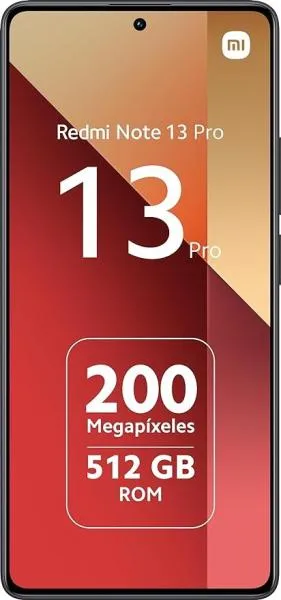
| Main Camera | 48MP | 200MP | Redmi Note 13 Pro boasts a much higher resolution main sensor. Higher resolution doesn't guarantee better image quality but offers more flexibility for cropping and potentially better detail in good lighting. |
| Ultrawide | 8MP | 8MP | Similar ultrawide cameras. |
| Telephoto | 8MP | None | Xperia 10 V offers dedicated optical zoom, enabling lossless zoom capabilities. Redmi Note 13 Pro relies on digital zoom from its high-resolution main sensor. |
| Video Recording | 1080p@30fps | 1080p@30/60fps | Redmi Note 13 Pro offers 60fps recording for smoother video. |
| Battery | |||
| Capacity | 5000 mAh | 5000 mAh | Similar battery capacities. Actual battery life depends on usage patterns and software optimization. |
2. Key Differences Analysis
Sony Xperia 10 V Advantages:
- Compactness and Lightweight: Significantly smaller and lighter, enhancing portability and one-handed usability.
- Dedicated Telephoto Lens: Offers optical zoom for lossless zoomed images.
Xiaomi Redmi Note 13 Pro 4G Advantages:
- Larger Display with High Refresh Rate: More immersive media consumption and smoother user experience due to the 120Hz display.
- Higher Resolution Main Camera: Potentially better detail and flexibility for cropping.
- Higher RAM Options: Better multitasking performance and less likely to experience app closures in the background.
- Higher Peak Brightness: Better screen visibility outdoors.
3. User Profiles & Recommendations
Sony Xperia 10 V: Ideal for users prioritizing one-handed usability, portability, and optical zoom capability. Suitable for those who prefer compact phones and value a dedicated telephoto lens.
Xiaomi Redmi Note 13 Pro 4G: Ideal for users who prioritize media consumption, gaming, and multitasking. The large, high refresh rate display and powerful hardware cater to these needs. Also suitable for users who want a high-resolution main camera.
4. Decision Framework
Key Questions for Buyers:
- Do you prioritize portability and one-handed use or a large screen for media consumption?
- Is optical zoom important to you, or are you satisfied with digital zoom from a high-resolution sensor?
- What is your budget, and which phone offers the best value for your needs?
My Choice: Xiaomi Redmi Note 13 Pro 4G
While I appreciate the compact size of the Sony Xperia 10 V, the Redmi Note 13 Pro 4G offers a more compelling overall package for my needs. The 120Hz AMOLED display is a significant upgrade for everyday use, providing a noticeably smoother experience. The higher RAM options are also crucial for ensuring smooth multitasking, something I heavily rely on. While the Xperia 10 V offers a dedicated telephoto lens, I find the larger screen, better performance, and higher peak brightness of the Redmi Note 13 Pro 4G more valuable. The 200MP main camera, while not guaranteeing superior image quality, provides more detail and flexibility. Finally, the price difference, while not drastic, favors the Redmi Note 13 Pro 4G, making it a better value proposition in my opinion. The lack of 5G on the Redmi is a consideration, but not a deal-breaker for me personally.
