
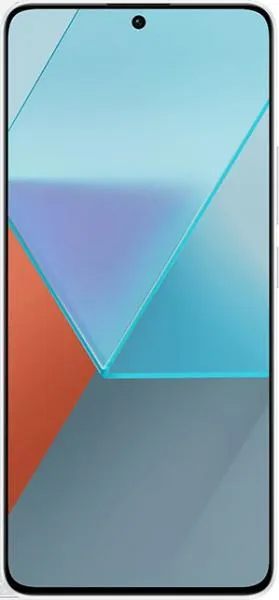
1. Specifications Comparison
| Feature | Sony Xperia 10 V | Xiaomi Redmi Note 13 Pro | Practical Impact |
|---|---|---|---|
| Design | |||
| Dimensions (mm) | 155 x 68 x 8.3 | 161.2 x 74.2 x 8 | Xperia 10 V is noticeably smaller and lighter, easier for one-handed use and pocket portability. |
| Weight (g) | 159 | 187 | Xperia 10 V is significantly lighter, reducing hand fatigue during extended use. |
| Display | |||
| Display Size (inches) | 6.1 | 6.67 | Redmi Note 13 Pro offers a larger screen for more immersive media consumption and multitasking. |
| Resolution | 1080 x 2520 | 1220 x 2712 | Redmi Note 13 Pro has a slightly sharper display due to higher resolution, but the difference might not be noticeable in everyday use. |
| Display Type | OLED | AMOLED | Both offer excellent contrast and vibrant colors. |
| Refresh Rate | Not specified | 120Hz | Redmi Note 13 Pro's 120Hz refresh rate provides smoother scrolling and animations, leading to a more fluid user experience. |
| Peak Brightness (nits) | Not specified | 1800 | Redmi Note 13 Pro's significantly higher peak brightness ensures better visibility in direct sunlight. |
| Performance | |||
| Chipset | Snapdragon 695 5G | Snapdragon 7s Gen 2 | Redmi Note 13 Pro boasts a more powerful chipset, resulting in faster app loading, smoother multitasking, and better gaming performance. |
| CPU | Octa-core (2x2.2 GHz Kryo 660 Gold & 6x1.7 GHz Kryo 660 Silver) | Octa-core (4x2.4 GHz Cortex-A78 & 4x1.95 GHz Cortex-A55) | Redmi Note 13 Pro's CPU architecture and higher clock speeds offer superior performance. |
| GPU | Adreno 619 | Adreno 710 | Redmi Note 13 Pro's GPU provides significantly better graphics performance for demanding games and applications. |
| RAM | 6GB (reviewed model) | 8GB/12GB (Multiple variants) | More RAM in certain Redmi variants enables smoother multitasking and better handling of demanding applications. |
| Camera | |||
| Main Camera (MP) | 48 | 200 | Redmi Note 13 Pro's higher megapixel count potentially offers greater detail and resolution in photos. However, megapixels alone don't determine image quality. |
| Video Recording | 1080p@30fps | 4K@30fps | Redmi Note 13 Pro can record videos at a much higher resolution. |
| DXOMARK Score | 78 | 120 | Redmi Note 13 Pro scores significantly higher in DXOMARK tests, suggesting superior overall camera performance. |
| Battery | |||
| Capacity (mAh) | 5000 | 5100 | Negligible difference in battery capacity. Real-world battery life depends on usage patterns and software optimization. |
2. Key Differences Analysis
Sony Xperia 10 V Advantages:
- Compactness and Light Weight: Significantly smaller and lighter, ideal for one-handed use and portability.
- Established Brand Reliability: Sony's reputation for quality and durability.
Xiaomi Redmi Note 13 Pro Advantages:
- Superior Performance: More powerful chipset and GPU for smoother multitasking and gaming.
- Higher Quality Display: Larger, sharper display with a 120Hz refresh rate and higher peak brightness.
- Significantly Better Camera: Higher resolution sensor, 4K video recording, and much higher DXOMARK score.
3. User Profiles & Recommendations
Sony Xperia 10 V:
- Users prioritizing compactness and portability above all else.
- Users who prefer a lighter phone for comfortable extended use.
- Users with basic smartphone needs (calling, texting, browsing, social media).
Xiaomi Redmi Note 13 Pro:
- Users who prioritize performance for gaming and demanding applications.
- Users who value a large, high-quality display for media consumption.
- Photography enthusiasts seeking a capable camera system.
4. Decision Framework
Key Questions for Buyers:
- What is your budget? Both phones are in the mid-range, but specific pricing should be compared.
- What are your primary smartphone needs? Prioritize features like portability, performance, camera, or display based on usage.
- Do you value one-handed usability and compactness? The Xperia 10 V excels in this area.
My Choice: Xiaomi Redmi Note 13 Pro
While I appreciate the Xperia 10 V's compact design, the Redmi Note 13 Pro offers significantly more value for the price. The superior performance, stunning display with 120Hz, and significantly better camera system outweigh the size difference for me. The marginal difference in battery capacity is negligible considering the Redmi's more power-efficient 4nm processor. As someone who values a smooth and responsive user experience with good media consumption and occasional gaming capabilities, the Redmi Note 13 Pro is the clear winner. The higher DXOMARK score also suggests a considerably better camera experience. While size is a personal preference, the performance and feature gap is substantial enough to make the Redmi Note 13 Pro the better overall choice in my opinion.
