
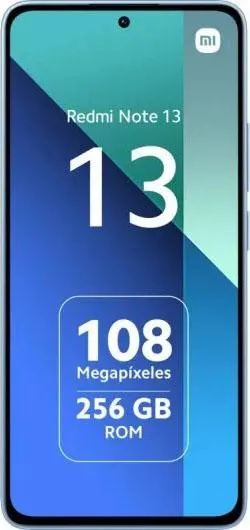
1. Specifications Comparison
| Feature | Sony Xperia 10 V | Xiaomi Redmi Note 13 4G | Practical Impact |
|---|---|---|---|
| Design | |||
| Dimensions (mm) | 155 x 68 x 8.3 | 162.3 x 75.6 x 8 | Xperia 10 V is significantly more compact and pocketable. Redmi Note 13 is larger, potentially less comfortable for one-handed use. |
| Weight (g) | 159 | 188.5 | Xperia 10 V is noticeably lighter, reducing hand fatigue during extended use. |
| Display | |||
| Size (inches) | 6.1 | 6.67 | Redmi Note 13 offers a larger screen for more immersive media consumption and multitasking. Xperia 10 V is more compact. |
| Resolution | 1080 x 2520 | 1080 x 2400 | Similar sharpness due to Xperia 10 V's slightly higher pixel density compensating for the smaller size. |
| Type | OLED | AMOLED | Both offer excellent contrast and vibrant colors. |
| Refresh Rate | Not specified | 120Hz | Redmi Note 13's 120Hz refresh rate provides smoother scrolling and animations, enhancing the user experience. Lack of information limits comparison for Xperia. |
| Peak Brightness | Not specified | 1800 nits | Redmi Note 13's high peak brightness ensures better visibility in direct sunlight. Missing information for Xperia hinders comparison. |
| Performance | |||
| Chipset | Snapdragon 695 5G | Snapdragon 685 4G | Xperia 10 V benefits from 5G connectivity for faster data speeds. Snapdragon 695 generally offers slightly better CPU performance than the 685. Redmi Note 13 lacks 5G. |
| CPU | Octa-core (2x2.2 GHz & 6x1.7 GHz) | Octa-core (4x2.8 GHz & 4x1.9 GHz) | While Redmi Note 13 has higher clock speeds on performance cores, real-world performance differences might be subtle due to architectural differences and optimization. |
| GPU | Adreno 619 | Adreno 610 | Xperia 10 V's Adreno 619 offers slightly better graphics performance for gaming and demanding applications. |
| RAM | 6GB | 8GB | Redmi Note 13's 8GB RAM allows for better multitasking and app switching, especially beneficial for heavy users. |
| Camera | |||
| Main Camera | 48MP (Sony IMX582) | 108MP (Samsung HM6) | Redmi Note 13 boasts a higher resolution main sensor, potentially capturing more detail. However, image quality depends on factors beyond resolution, such as sensor size and processing. |
| Video Recording | 1080p@30fps | 1080p@30fps | Both offer basic video recording capabilities. Notably lacking higher resolution or frame rate options. |
| Battery | |||
| Capacity | 5000 mAh | 5000 mAh | Similar battery capacities suggest comparable battery life, although real-world usage will vary depending on usage patterns and software optimization. |
2. Key Differences Analysis
Sony Xperia 10 V Advantages:
- Compactness and Design: Lighter and smaller, making it more pocketable and comfortable for one-handed use.
- 5G Connectivity: Offers faster data speeds and future-proofing.
- Slightly Better Performance: The Snapdragon 695 and Adreno 619 provide a marginal performance edge in processing and graphics.
Xiaomi Redmi Note 13 4G Advantages:
- Larger Display: More immersive experience for media consumption and multitasking.
- Higher Refresh Rate: Smoother scrolling and animations enhance the user experience.
- Higher Resolution Main Camera: Potentially captures more detail in photos.
- Lower Price: Significantly more affordable, offering good value for money.
- Higher RAM: Enables better multitasking and handling of demanding applications.
Trade-offs:
- Xperia 10 V sacrifices screen size and refresh rate for compactness and portability.
- Redmi Note 13 lacks 5G connectivity, potentially limiting future data speeds.
3. User Profiles & Recommendations
Sony Xperia 10 V: Ideal for users who prioritize compactness, portability, and 5G connectivity. Suitable for one-handed use, web browsing, social media, and casual gaming.
Xiaomi Redmi Note 13 4G: Best suited for users who value a large display, smooth performance, and affordability. Excellent for media consumption, multitasking, and mobile photography. Budget-conscious buyers will find this attractive.
4. Decision Framework
Key Questions for Buyers:
- Is 5G connectivity a priority? If yes, the Xperia 10 V is the only option.
- How important is screen size and refresh rate? If a large, smooth display is crucial, the Redmi Note 13 is the better choice.
- What is your budget? The Redmi Note 13 offers significantly better value for money.
Scenario-Based Recommendations:
- Heavy media consumer on a budget: Redmi Note 13 4G
- User prioritizing portability and future-proof connectivity: Sony Xperia 10 V
- Gamer seeking the best possible performance in this price range: While neither excels in gaming, the Xperia 10 V has a slight edge.
My Choice: Xiaomi Redmi Note 13 4G
While the Sony Xperia 10 V offers a compelling compact design and 5G, the Xiaomi Redmi Note 13 4G provides a significantly better value proposition for my needs. The larger, high refresh rate display, coupled with the lower price and higher RAM, outweigh the benefits of 5G and slight performance gains of the Xperia. I prioritize a smooth and immersive media experience, and the Redmi Note 13 delivers that at a more affordable price point. The lack of 5G is less of a concern for me currently, given its limited availability and my current data usage patterns. The significant price difference allows for allocation of funds towards other accessories or needs.
