
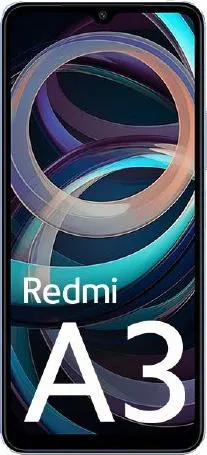
1. Specifications Comparison
| Feature | Sony Xperia 10 V | Xiaomi Redmi A3 | Practical Impact |
|---|---|---|---|
| Design | |||
| Dimensions (mm) | 155 x 68 x 8.3 | 168.3 x 76.3 x 8.3 | Xperia 10 V is significantly more compact and pocketable. Redmi A3 is larger and might be less comfortable for one-handed use. |
| Weight (g) | 159 | 193 | Xperia 10 V is noticeably lighter, reducing hand fatigue during extended use. |
| Build Material | Missing | Missing | Build quality and durability cannot be compared without this information. |
| Display | |||
| Display Type | OLED | IPS LCD | Xperia 10 V's OLED offers deeper blacks, higher contrast, and potentially better power efficiency. Redmi A3's IPS LCD might offer better color accuracy in bright sunlight. |
| Display Size (inches) | 6.1 | 6.71 | Redmi A3 provides a larger screen for media consumption and gaming, but impacts one-handed usability. |
| Resolution | 1080 x 2520 | 720 x 1650 | Xperia 10 V has a significantly sharper display (449 ppi vs 268 ppi), resulting in clearer text and images. |
| Refresh Rate | Missing | 90Hz | Redmi A3's 90Hz refresh rate provides smoother scrolling and animations compared to a standard 60Hz display (assuming Xperia 10 V is 60Hz). |
| Performance | |||
| Chipset | Snapdragon 695 5G | Mediatek Helio G36 | Snapdragon 695 offers better performance and 5G connectivity, enabling faster app loading, smoother multitasking, and faster download speeds. |
| CPU | Octa-core (2x2.2 GHz & 6x1.7 GHz) | Octa-core (4x2.2 GHz & 4x1.6 GHz) | While both have octa-core CPUs, the Snapdragon 695 in the Xperia 10 V utilizes more powerful cores, leading to better overall performance. |
| GPU | Adreno 619 | PowerVR GE8320 | Adreno 619 generally provides better graphics performance than the PowerVR GE8320, beneficial for gaming and graphically demanding tasks. |
| RAM | 6GB/8GB | 3GB/4GB/6GB | More RAM in some Xperia 10 V versions allows for better multitasking and smoother performance with multiple apps open. |
| Camera | |||
| Rear Camera | 48MP Main, 8MP Wide, 8MP Telephoto | 8MP Main, 0.3MP Unknown | Xperia 10 V offers a more versatile camera system with higher resolution and a dedicated telephoto lens. The second rear camera on the Redmi A3 is unclear and likely insignificant (0.3MP). |
| Front Camera | 8MP | 5MP | Xperia 10 V's front camera offers a slightly higher resolution for selfies. |
| Battery | |||
| Capacity | 5000 mAh | 5000 mAh | Both phones have the same battery capacity, but actual battery life will depend on software optimization and display efficiency. |
2. Key Differences Analysis
Sony Xperia 10 V Advantages:
- Superior Display: Sharper OLED with better contrast and colors.
- Better Performance: More powerful chipset and GPU for smoother operation and gaming.
- More Versatile Camera: Higher resolution sensors and a telephoto lens.
- More Compact Design: Easier to handle and carry.
Xiaomi Redmi A3 Advantages:
- Higher Refresh Rate Display: Smoother scrolling and animations.
- Lower Price: Significantly more affordable.
- Potentially Longer Battery Life: IPS LCD and less powerful processor might consume less power, despite having the same battery capacity as the Xperia. This is speculative and requires real-world testing to confirm.
3. User Profiles & Recommendations
Sony Xperia 10 V: Users who prioritize display quality, performance, camera versatility, and a compact design. Suitable for:
- Everyday users: Browsing, social media, photography, light gaming.
- Content consumers: Watching videos, viewing photos.
Xiaomi Redmi A3: Budget-conscious users who prioritize a large screen and basic functionality. Suitable for:
- Basic users: Calling, texting, essential apps.
- Students: Limited budget, primarily communication and browsing.
4. Decision Framework
Key Questions:
- What is your budget? The Redmi A3 is significantly cheaper.
- What are your primary smartphone usage patterns? Demanding tasks benefit from the Xperia 10 V's superior performance.
- Do you prioritize display quality and camera versatility? The Xperia 10 V excels in these areas.
My Choice: Sony Xperia 10 V
While the Xiaomi Redmi A3 offers an attractive price point, the Sony Xperia 10 V provides a significantly better overall user experience. The superior display, performance, and camera system outweigh the price difference for me. The more compact form factor is also a strong preference. While the Redmi A3's 90Hz display is a nice feature, the lower resolution and IPS technology make the Xperia's OLED display more appealing. I value a smooth and responsive user experience, demanding tasks, good quality photos, and a device that is comfortable to hold and carry. The Xperia 10 V better fulfills these needs.
