1. Specifications Comparison
| Feature | Sony Xperia 10 V | Xiaomi Redmi 14C | Practical Impact |
|---|---|---|---|
| Design | |||
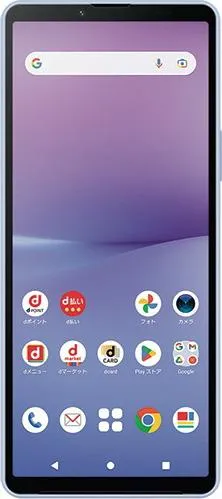
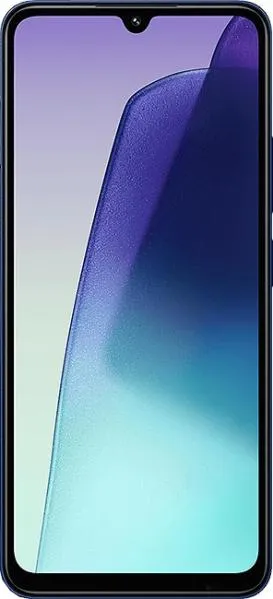
| Dimensions (mm) | 155 x 68 x 8.3 | 171.9 x 77.8 x 8.2 | Xperia 10 V is significantly more compact and pocketable. Redmi 14C is larger, potentially less comfortable for one-handed use. |
| Weight (g) | 159 | 211 | Xperia 10 V is noticeably lighter, reducing hand fatigue during extended use. |
| Build Material | Missing | Missing | Cannot compare build quality and durability. |
| Display | |||
| Display Type | OLED | IPS LCD | Xperia 10 V offers deeper blacks, richer colors, and better contrast due to OLED technology. Redmi 14C's IPS LCD might offer wider viewing angles. |
| Display Size (inches) | 6.1 | 6.88 | Redmi 14C provides a larger screen for media consumption and multitasking, but impacts one-handed usability. |
| Resolution | 1080 x 2520 | 720 x 1640 | Xperia 10 V has a much sharper display (449 ppi vs 260 ppi), resulting in clearer text and images. |
| Refresh Rate | Missing | 120Hz | Redmi 14C's 120Hz refresh rate delivers smoother scrolling and animations compared to the Xperia 10 V, whose refresh rate is unknown. |
| Performance | |||
| Chipset | Snapdragon 695 5G | Helio G81 Ultra | Both are mid-range chipsets. Snapdragon 695 generally offers better performance and efficiency. |
| CPU | Octa-core (2x2.2 GHz Kryo 660 Gold & 6x1.7 GHz Kryo 660 Silver) | Octa-core (2x2.0 GHz Cortex-A75 & 6x1.8 GHz Cortex-A55) | Slight performance advantage for Xperia 10 V due to slightly faster cores and potentially better architecture. |
| GPU | Adreno 619 | Mali-G52 MC2 | Adreno 619 generally provides better gaming performance than Mali-G52 MC2. |
| RAM | 6GB/8GB | 4GB/6GB/8GB | More RAM options available for both, higher RAM generally benefits multitasking. |
| Camera | |||
| Main Camera | 48MP | 50MP | Redmi 14C has a slightly higher megapixel count, but sensor quality and image processing are crucial, and this information is missing for Redmi 14C. Xperia 10 V provides sensor details suggesting decent image quality. |
| Ultrawide | 8MP | Missing or 0.8MP (Likely a typo) | Xperia 10 V offers an ultrawide lens for wider shots. Redmi 14C's ultrawide specification is unclear and might be a very low-resolution sensor unsuitable for photography. |
| Telephoto | 8MP | Missing | Xperia 10 V offers a dedicated telephoto lens for optical zoom. Redmi 14C lacks a telephoto lens. |
| Video Recording | 1080p@30fps | 1080p@30fps | Similar video recording capabilities on paper. Actual quality may differ due to image processing. |
| Battery | |||
| Capacity | 5000 mAh | 5160 mAh | Redmi 14C has a slightly larger battery, potentially offering slightly longer battery life. Real-world usage will depend on software optimization and display efficiency. |
| Charging Speed | Missing | Missing | Cannot compare charging speeds. |
2. Key Differences Analysis
Sony Xperia 10 V Advantages:
- Superior Display: OLED technology offers significantly better image quality. Higher resolution provides sharper visuals.
- More Compact Design: Easier to handle and carry.
- Generally Better Performance: Snapdragon 695 offers a slight edge in processing power and efficiency.
- More Versatile Camera System: Dedicated telephoto and ultrawide lenses offer more shooting options.
Xiaomi Redmi 14C Advantages:
- Larger Display: More immersive experience for media consumption.
- Higher Refresh Rate: Smoother scrolling and animations.
- Slightly Larger Battery: Potentially longer battery life.
- Lower Starting Price: More budget-friendly option.
Trade-offs:
- Xperia 10 V: Smaller display, potentially higher price.
- Redmi 14C: Lower resolution display, less powerful chipset, less versatile camera system.
3. User Profiles & Recommendations
Sony Xperia 10 V: Suitable for users who prioritize a compact design, excellent display quality, good performance, and a versatile camera. Ideal for everyday use, social media, web browsing, light gaming, and photography.
Xiaomi Redmi 14C: Suitable for users on a tight budget who prioritize a large display for media consumption and basic tasks. Good for web browsing, video streaming, and casual gaming. Not recommended for photography enthusiasts.
4. Decision Framework
Key Questions for Buyers:
- What is your budget? Redmi 14C is significantly cheaper.
- Do you prioritize display quality or size? Xperia 10 V has a superior display, while Redmi 14C has a larger screen.
- What are your primary use cases? Xperia 10 V is better for photography and overall performance; Redmi 14C is geared towards media consumption on a budget.
Scenario-Based Recommendations:
- Limited Budget, Primarily Media Consumption: Redmi 14C
- Balanced Budget, All-Around Performance and Portability: Xperia 10 V
- Photography Enthusiast, Premium Display: Xperia 10 V
My Choice: Sony Xperia 10 V
While the Redmi 14C offers a tempting price, the Xperia 10 V's superior display, more versatile camera system, compact form factor, and better overall performance make it a more compelling device for my needs. I value a sharp, vibrant display and a comfortable phone for one-handed use. The slightly higher price is justified by these advantages. The Redmi 14C's larger display and higher refresh rate are appealing, but the significantly lower resolution and less capable camera system are major drawbacks for me. I prioritize image quality and a smooth user experience over sheer screen size.
