
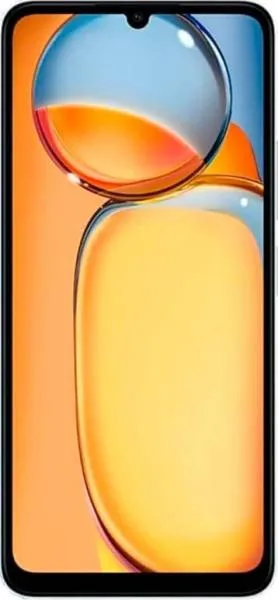
1. Specifications Comparison
| Feature | Sony Xperia 10 V | Xiaomi Redmi 13C | Practical Impact |
|---|---|---|---|
| Design | |||
| Dimensions (mm) | 155 x 68 x 8.3 | 168 x 78 x 8.1 | Xperia 10 V is significantly more compact and pocketable. Redmi 13C is larger, potentially less comfortable for one-handed use. |
| Weight (g) | 159 | 192 | Xperia 10 V is noticeably lighter, reducing hand fatigue during extended use. |
| Build | (Missing) | (Missing) | Build materials impact durability and premium feel. This information is missing for both phones. |
| Display | |||
| Display Type | OLED | IPS LCD | Xperia 10 V's OLED offers deeper blacks, higher contrast, and potentially better power efficiency. Redmi 13C's IPS LCD might offer better color accuracy in bright sunlight. |
| Size (inches) | 6.1 | 6.74 | Redmi 13C provides a larger screen for media consumption and multitasking. Xperia 10 V is more compact. |
| Resolution | 1080 x 2520 | 720 x 1600 | Xperia 10 V has a much sharper display (449 ppi vs 260 ppi), resulting in clearer text and images. |
| Refresh Rate | Unspecified | 90Hz | Redmi 13C's 90Hz refresh rate delivers smoother scrolling and animations compared to a standard 60Hz (Xperia's is unspecified, assumed 60Hz). |
| Performance | |||
| Chipset | Snapdragon 695 5G | Helio G85 | Snapdragon 695 generally offers better performance and efficiency than the Helio G85. |
| CPU | Octa-core (2x2.2 GHz & 6x1.7 GHz) | Octa-core (2x2.0 GHz & 6x1.8 GHz) | While core counts are similar, architectural differences favor the Snapdragon 695 in the Xperia 10 V for demanding tasks. |
| GPU | Adreno 619 | Mali-G52 MC2 | Adreno 619 generally provides better gaming performance than the Mali-G52 MC2. |
| RAM | 6GB/8GB | 4GB/6GB/8GB | More RAM (available in both) enables better multitasking and smoother performance. |
| Camera | |||
| Main Camera | 48MP | 50MP | Megapixel count is similar; image quality depends more on sensor size, processing, and aperture. Detailed comparison is difficult without sensor specifics and real-world testing. |
| Other Cameras | 8MP Wide, 8MP Telephoto | 2MP Macro, 0.8MP unspecified | Xperia 10 V offers a more versatile camera setup with a dedicated telephoto lens. The Redmi 13C's macro and unspecified camera offer less practical value. |
| Video | 1080p@30fps | 1080p@30fps | Both offer basic video recording capabilities. Redmi 13C mentions 120fps slow-motion, but resolution is unclear. |
| Battery | |||
| Capacity | 5000 mAh | 5000 mAh | Similar battery capacities suggest comparable battery life, though real-world usage will vary depending on other factors like display and chipset efficiency. |
2. Key Differences Analysis
Sony Xperia 10 V Advantages:
- More compact and lightweight: Easier to handle and carry.
- Sharper, higher quality display: Better visual experience for media consumption.
- More powerful chipset and GPU: Smoother performance for demanding tasks and gaming.
- More versatile camera system: Telephoto lens offers greater flexibility.
Xiaomi Redmi 13C Advantages:
- Larger display: More immersive experience for media and multitasking.
- Higher refresh rate display: Smoother scrolling and animations.
- Lower price: Significantly more affordable.
3. User Profiles & Recommendations
Sony Xperia 10 V: Users who prioritize a compact size, premium display, good performance, and a versatile camera. Ideal for those who value portability and a high-quality visual experience.
Xiaomi Redmi 13C: Budget-conscious users who prioritize a large display and acceptable performance for everyday tasks. Suitable for media consumption, social media, and light gaming. Less demanding users who prioritize value.
4. Decision Framework
Key Questions for Buyers:
- What is your budget? The Redmi 13C is significantly cheaper.
- Do you prioritize portability or screen size? The Xperia 10 V is much smaller and lighter, while the Redmi 13C offers a larger display.
- How important is performance and camera quality? The Xperia 10 V has a clear advantage in these areas.
My Choice: Sony Xperia 10 V
While the Redmi 13C offers incredible value for its price, I would choose the Sony Xperia 10 V. The superior display quality, more compact form factor, better performance, and more versatile camera system are significant advantages that outweigh the price difference for me. I prioritize a comfortable in-hand feel, a great screen for daily use, and smooth performance. The Xperia 10 V delivers a more refined overall experience. While the Redmi 13C's larger screen and 90Hz refresh rate are tempting, the lower resolution and less powerful internals would likely lead to compromises in other areas that I value more.
