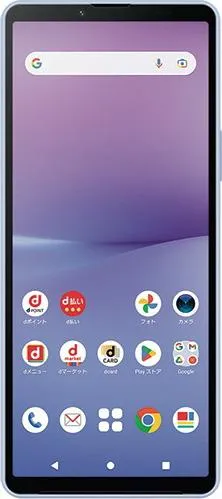
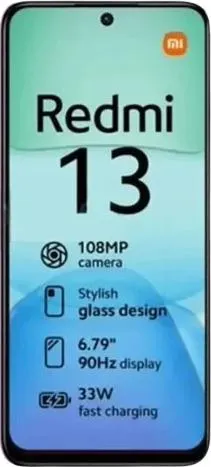
1. Specifications Comparison
| Feature | Sony Xperia 10 V | Xiaomi Redmi 13 | Practical Impact |
|---|---|---|---|
| Design | |||
| Dimensions (mm) | 155 x 68 x 8.3 | 168.6 x 76.3 x 8.3 | Xperia 10 V is significantly more compact and easier for one-handed use. Redmi 13 is larger, potentially better for media consumption but less pocketable. |
| Weight (g) | 159 | 205 | Xperia 10 V is noticeably lighter, reducing hand fatigue during extended use. |
| Build Material | Not specified | Not specified | Cannot compare build quality and durability without material information. |
| Display | |||
| Display Type | OLED | IPS LCD | Xperia 10 V's OLED offers deeper blacks, higher contrast, and potentially better power efficiency. Redmi 13's IPS LCD might have better color accuracy in bright sunlight. |
| Display Size | 6.1" | 6.79" | Redmi 13 provides a much larger screen for immersive media consumption and multitasking. Xperia 10 V is more compact. |
| Resolution | 1080 x 2520 | 1080 x 2460 | Similar pixel density, but Xperia 10 V's slightly taller aspect ratio might offer more vertical screen real estate for reading. |
| Refresh Rate | Not specified | 90Hz | Redmi 13's 90Hz refresh rate delivers smoother scrolling and animations, resulting in a more fluid user experience. Lack of information limits comparison for Xperia 10V. |
| Performance | |||
| Chipset | Snapdragon 695 5G | MediaTek Helio G91 Ultra | Both are mid-range chipsets. Performance differences likely to be minor for everyday tasks. Gaming performance comparisons require benchmark data. "Ultra" designation on the Redmi 13's chipset does not guarantee superior performance without further data. |
| CPU | Octa-core (2x2.2 GHz & 6x1.7 GHz) | Octa-core (2x2.0 GHz & 6x1.8 GHz) | Slight clock speed advantage for Xperia 10 V, but real-world performance depends on core architecture and optimization. |
| GPU | Adreno 619 | Mali-G52 MC2 | Different GPU architectures make direct comparison difficult. Gaming and graphics-intensive task performance require further benchmarks. |
| RAM | 6GB | 6GB | Both phones have the same amount of RAM, indicating similar multitasking capabilities. |
| Camera | |||
| Main Camera | 48MP (Sony IMX582) | 108MP | Redmi 13 boasts a higher resolution sensor, potentially capturing more detail. However, image quality depends on factors beyond resolution, including sensor size and processing. Sensor model unspecified for Redmi 13 limits analysis. |
| Other Cameras | 8MP Wide, 8MP Telephoto, 8MP Selfie | 2MP Depth, 13MP Selfie | Xperia 10 V offers a more versatile camera system with a dedicated telephoto lens. Redmi 13 has a higher resolution selfie camera and a depth sensor for portrait mode. |
| Video Recording | 1080p@30fps | 1080p@30fps | Both offer basic video recording capabilities. Redmi 13 claims 120fps slow-motion, a feature not mentioned for Xperia 10 V. |
| Battery | |||
| Capacity | 5000 mAh | 5030 mAh | Negligible difference in battery capacity. Real-world battery life depends on factors like display type, processor efficiency, and software optimization. |
2. Key Differences Analysis
Sony Xperia 10 V Advantages:
- More Compact and Lighter: Significantly easier for one-handed use and portability.
- OLED Display: Superior contrast, deeper blacks, and potentially better power efficiency.
- More Versatile Camera System: Dedicated telephoto lens for optical zoom.
Xiaomi Redmi 13 Advantages:
- Larger Display: More immersive experience for media consumption and multitasking.
- Higher Resolution Main Camera: Potentially captures more detail in photos.
- Faster Refresh Rate: Smoother scrolling and animations.
- Lower Price: Offers better value for budget-conscious buyers.
3. User Profiles & Recommendations
Sony Xperia 10 V: Ideal for users prioritizing one-handed usability, portability, and a high-quality display. Suitable for everyday tasks, web browsing, and casual photography.
Xiaomi Redmi 13: Best suited for users who value a large screen for media consumption, gaming, and multitasking. Attractive option for budget-conscious buyers seeking a large display and high-resolution camera.
4. Decision Framework
Key Questions for Buyers:
- What screen size do you prefer? Compact and one-handed friendly or large and immersive?
- Is display quality a priority? OLED's richer colors and deeper blacks or IPS LCD's potential for better outdoor visibility?
- What is your budget? The Redmi 13 offers a more affordable option.
My Choice: Sony Xperia 10 V
While the Redmi 13 offers a compelling price-to-performance ratio, I would choose the Sony Xperia 10 V. The compact form factor, lighter weight, and OLED display are crucial for my personal preference. I value one-handed usability and portability, and the Xperia 10 V excels in these areas. While the Redmi 13 has a larger display and higher resolution main camera, these advantages don't outweigh the benefits of the Xperia 10 V for my usage patterns. Although unspecified refresh rate for the Xperia is a concern, the overall package of the Xperia aligns better with my priorities. The slightly higher price is justifiable for the superior build quality (assumed due to Sony's reputation), more pocketable design, and OLED display.
