1. Specifications Comparison
| Feature | Sony Xperia 10 V | Xiaomi Poco X6 Pro | Practical Impact |
|---|---|---|---|
| Design | |||
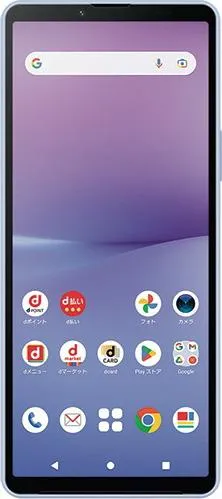
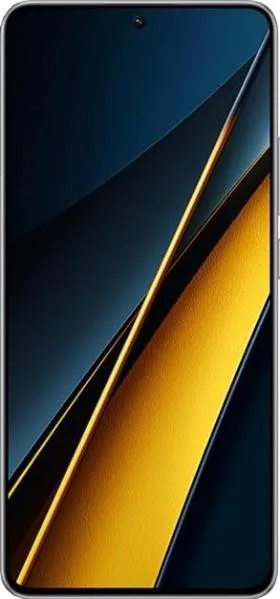
| Dimensions (mm) | 155 x 68 x 8.3 | 160.5 x 74.3 x 8.3 | Poco X6 Pro is larger; Xperia 10 V is more pocketable. |
| Weight (g) | 159 | 186 | Xperia 10 V is noticeably lighter for comfortable one-handed use. |
| Display | |||
| Size (inches) | 6.1 | 6.67 | Poco X6 Pro offers a larger screen for media consumption. |
| Resolution | 1080 x 2520 | 1220 x 2712 | Both are sharp, but Poco X6 Pro has slightly higher pixel density. |
| Type | OLED | AMOLED | Both offer excellent contrast; AMOLED generally has more vibrant colors. |
| Refresh Rate | Not specified | 120Hz | Poco X6 Pro's 120Hz provides smoother scrolling and animations. Missing refresh rate info for Xperia limits comparison. |
| HDR | No Dolby Vision | HDR10+, Dolby Vision | Poco X6 Pro supports wider HDR standards for better video quality. |
| Peak Brightness | Not specified | 1800 nits | Poco X6 Pro's high peak brightness ensures better visibility outdoors. Missing peak brightness for Xperia limits comparison. |
| Performance | |||
| Chipset | Snapdragon 695 5G (6nm) | Dimensity 8300 Ultra (4nm) | Poco X6 Pro has a significantly more powerful processor for demanding tasks and gaming. |
| CPU | Octa-core (2x2.2 GHz & 6x1.7 GHz) | Octa-core (1x3.35 GHz & 3x3.2 GHz & 4x2.2 GHz) | Poco X6 Pro's CPU offers superior performance in multi-tasking and demanding applications. |
| GPU | Adreno 619 | Mali G615-MC6 | Poco X6 Pro's GPU offers a substantial performance advantage for gaming and graphics-intensive tasks. |
| RAM | 6GB/8GB | 8GB/12GB | Poco X6 Pro offers more RAM in higher-end configurations for smoother multitasking. |
| Camera | |||
| Main Camera | 48MP (Sony IMX582) | 64MP (Omnivision OV64B) | Poco X6 Pro offers higher resolution, potentially capturing more detail. Sensor quality impact is unclear without further analysis. |
| Video Recording | 1080p@30fps | 4K@30fps with EIS | Poco X6 Pro offers significantly better video resolution and electronic image stabilization (EIS). |
| Battery | |||
| Capacity | 5000 mAh | 5000 mAh | Similar battery capacity, but real-world battery life depends on optimization and usage. |
2. Key Differences Analysis
Xiaomi Poco X6 Pro Advantages:
- Significantly more powerful: The Dimensity 8300 Ultra chipset and higher RAM provide a substantial performance advantage for demanding tasks, gaming, and multitasking.
- Superior display: The 120Hz AMOLED display with HDR10+ and Dolby Vision offers smoother visuals and a better HDR experience. Higher peak brightness ensures better outdoor visibility.
- Better video recording: 4K recording with EIS allows for higher quality video capture.
- More future-proof: Newer Android version with longer OS update commitment.
Sony Xperia 10 V Advantages:
- Lighter and more compact: Easier to handle and carry in a pocket.
- Potentially better main camera image quality: While lower resolution, the Sony IMX582 sensor in the Xperia 10 V is known for good performance. However, without direct image comparisons, this is speculative.
Trade-offs:
- Performance vs. Portability: Poco X6 Pro sacrifices portability for superior performance.
- Price vs. Features: While both are mid-range, the Poco X6 Pro generally offers more advanced features for a similar price.
3. User Profiles & Recommendations
Sony Xperia 10 V: Users prioritizing a compact and lightweight phone for everyday tasks, social media, and casual photography. Users sensitive to phone weight and size.
Xiaomi Poco X6 Pro: Users seeking a powerful phone for demanding tasks, gaming, media consumption, and high-quality video recording. Users prioritizing performance and the latest features.
4. Decision Framework
Key Questions for Buyers:
- What is your budget? Both are mid-range, but slight price differences may exist depending on storage configuration.
- What is your primary use case? Gaming, media consumption, or demanding applications favor the Poco X6 Pro. Everyday tasks and portability favor the Xperia 10 V.
- How important is display quality and refresh rate? The Poco X6 Pro offers a noticeably superior display experience.
My Choice: Xiaomi Poco X6 Pro
Reasoning: The Poco X6 Pro offers significantly better performance, a superior display with a 120Hz refresh rate, and better video recording capabilities. While heavier and larger, the performance and feature advantages outweigh the portability trade-off for my personal needs. I prioritize a smooth user experience, future-proofing with longer software updates, and the ability to handle demanding tasks and gaming. The Xperia 10 V's lighter weight and smaller size are appealing, but the performance difference is substantial enough to make the Poco X6 Pro the better overall choice for me. The lack of specified refresh rate and peak brightness for the Xperia 10 V further hindered a comprehensive comparison. If those were available and competitive, my choice might change based on real-world battery life tests.
