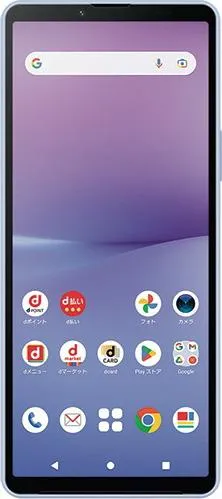
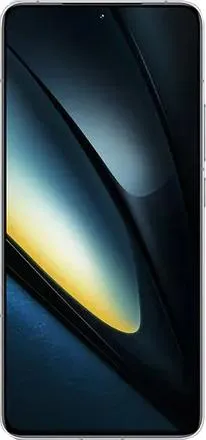
1. Specifications Comparison
| Feature | Sony Xperia 10 V | Xiaomi Poco F6 Pro | Practical Impact |
|---|---|---|---|
| Design | |||
| Dimensions (mm) | 155 x 68 x 8.3 | 160.9 x 75 x 8.2 | Poco F6 Pro is larger and slightly thicker. Xperia 10 V is noticeably lighter and more compact for one-handed use. |
| Weight (g) | 159 | 209 | Significant weight difference; Xperia 10 V will be much more comfortable for extended use and carrying in pockets. |
| Display | |||
| Size (inches) | 6.1 | 6.67 | Poco F6 Pro offers a significantly larger screen for media consumption and multitasking. |
| Resolution | 1080 x 2520 | 1440 x 3200 | Poco F6 Pro boasts a much sharper display with higher pixel density, resulting in crisper text and images. |
| Type | OLED | AMOLED | Both offer excellent color reproduction and deep blacks. |
| Refresh Rate | Not specified | 120 Hz | Poco F6 Pro's 120Hz refresh rate will provide a smoother and more responsive user experience, especially noticeable in gaming and scrolling. Lack of refresh rate info for Xperia limits comparison. |
| Peak Brightness | Not specified | 4000 nits | Poco F6 Pro's significantly higher peak brightness ensures excellent outdoor visibility. Missing Xperia data limits this comparison. |
| HDR | HDR10+, Dolby Vision | Poco F6 Pro supports wider HDR standards for enhanced video playback quality. | |
| Performance | |||
| Chipset | Snapdragon 695 5G (6 nm) | Snapdragon 8 Gen 2 (4 nm) | Poco F6 Pro has a vastly more powerful processor, leading to significantly faster performance in demanding tasks, gaming, and multitasking. |
| CPU | Octa-core (2x2.2 GHz & 6x1.7 GHz) | Octa-core (1x3.2 GHz & 2x2.8 GHz & 2x2.8 GHz & 3x2.0 GHz) | The Poco F6 Pro's CPU architecture and clock speeds offer superior performance compared to the Xperia 10 V. |
| GPU | Adreno 619 | Adreno 740 | Poco F6 Pro's GPU is significantly more capable for gaming and graphically intensive applications. |
| RAM | 6GB/8GB | 12GB/16GB | Poco F6 Pro offers much more RAM, enabling smoother multitasking and handling of demanding applications. |
| Camera | |||
| Main Camera | 48MP | 50MP | Both have high-resolution main sensors. Practical differences will depend on image processing, which cannot be determined from specs alone. |
| Video Recording | 1080p@30fps | Up to 8K@24fps | Poco F6 Pro supports significantly higher video resolution and frame rates. |
| Battery | |||
| Capacity | 5000 mAh | 5000 mAh | Both have the same battery capacity. Real-world battery life will depend on software optimization and usage patterns. |
2. Key Differences Analysis
Xiaomi Poco F6 Pro Advantages:
- Significantly more powerful: The Snapdragon 8 Gen 2 chip offers flagship-level performance.
- Superior Display: Higher resolution, refresh rate, and peak brightness lead to a dramatically better visual experience.
- Advanced Camera Features: 8K video recording, wider range of slow-motion options.
- More Future-Proof: Newer OS version with longer update support.
Sony Xperia 10 V Advantages:
- Compact and Lightweight: Considerably easier to handle and carry.
- Lower Price: Offers a more budget-friendly option. (Based on general price range information; exact price comparison is not possible with the provided data)
3. User Profiles & Recommendations
Xiaomi Poco F6 Pro: Ideal for power users, gamers, content creators, and those who prioritize performance and a premium multimedia experience.
Sony Xperia 10 V: Suitable for users who value portability and comfortable one-handed use, prioritize battery life, and are on a tighter budget. Best for those who primarily use their phone for communication, web browsing, and light media consumption.
4. Decision Framework
Key Questions for Buyers:
- What is your budget? The Poco F6 Pro is likely to be more expensive.
- What are your primary phone usage patterns? (Gaming, media consumption, productivity, communication)
- Do you prioritize performance or portability?
My Choice: Xiaomi Poco F6 Pro
While the Sony Xperia 10 V offers a compelling compact design, the Xiaomi Poco F6 Pro is the clear winner for me. The significant performance difference, superior display, and advanced camera features outweigh the size and weight difference. The Snapdragon 8 Gen 2 future-proofs the device for several years, ensuring a smooth and powerful user experience. As someone who values performance and a high-quality visual experience, the Poco F6 Pro aligns better with my needs. The Xperia 10 V's strengths lie in its portability and potential lower price, making it a solid choice for budget-conscious users who prioritize ease of handling. However, the performance gap is substantial, and for a slightly larger device, the Poco F6 Pro delivers a substantial upgrade in overall experience.
