1. Specifications Comparison
| Feature | Sony Xperia 10 V | Xiaomi Poco F6 | Practical Impact |
|---|---|---|---|
| Design | |||
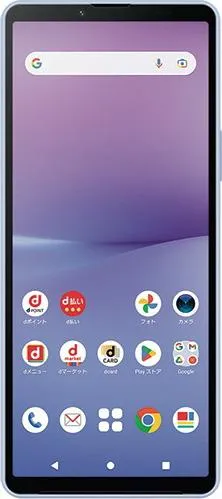
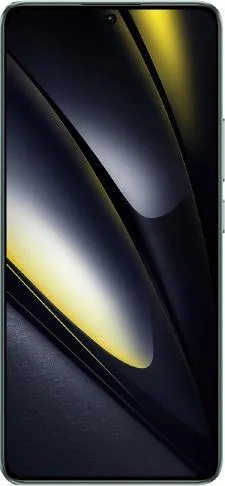
| Dimensions (mm) | 155 x 68 x 8.3 | 160.5 x 74.5 x 8 | Poco F6 is larger and slightly thicker. Xperia 10 V is more pocketable and easier to handle one-handed. |
| Weight (g) | 159 | 179 | Xperia 10 V is noticeably lighter, reducing hand fatigue during extended use. |
| Build Materials | Not specified | Not specified | Cannot compare build quality and durability without material information. |
| Display | |||
| Display Type | OLED | AMOLED | Both offer excellent contrast and vibrant colors. |
| Display Size (inches) | 6.1 | 6.67 | Poco F6 provides a significantly larger screen for more immersive media consumption and multitasking. |
| Resolution | 1080 x 2520 | 1220 x 2712 | Both offer sharp displays; differences in pixel density are negligible in real-world usage. |
| Refresh Rate | Not specified | 120Hz | Poco F6's 120Hz refresh rate delivers smoother scrolling, animations, and gaming. A significant advantage for responsiveness. Missing Xperia refresh rate info hinders full comparison. |
| HDR | No Dolby Vision | Dolby Vision, HDR10+, HDR10 | Poco F6 supports wider HDR standards, resulting in better video quality with compatible content. |
| Peak Brightness | Not specified | 2400 nits | Poco F6's higher peak brightness ensures better visibility in direct sunlight. Missing Xperia peak brightness hinders comparison. |
| Performance | |||
| Chipset | Snapdragon 695 5G | Snapdragon 8s Gen 3 | Poco F6 boasts a significantly more powerful processor, leading to much faster performance in demanding tasks, gaming, and multitasking. |
| CPU | Octa-core (2x2.2 GHz & 6x1.7 GHz) | Octa-core (1x3.0 GHz & 4x2.8 GHz & 3x2.0 GHz) | Poco F6's CPU offers superior clock speeds and architecture, translating to noticeable real-world performance gains. |
| GPU | Adreno 619 | Adreno 735 | Poco F6's GPU offers a substantial performance advantage for gaming and graphically intensive applications. |
| RAM | 6GB | 8/12GB | Poco F6 offers more RAM, enabling better multitasking and smoother performance with multiple open apps. |
| Camera | |||
| Main Camera | 48MP (Sony IMX582) | 50MP (Sony IMX882) | Both sensors are capable, but the IMX882 in the Poco F6 generally offers better low-light performance and dynamic range. |
| Ultrawide | 8MP | 8MP | Similar resolution, practical difference likely minimal. |
| Telephoto | 8MP | None | Xperia 10 V offers a dedicated telephoto lens for optical zoom, while Poco F6 lacks this feature. |
| Selfie Camera | 8MP | 20MP | Poco F6's higher resolution selfie camera will produce more detailed images. |
| Video Recording | 1080p@30fps | Up to 4K@60fps with EIS | Poco F6 offers significantly better video recording capabilities with higher resolution and frame rates, along with Electronic Image Stabilization (EIS) for smoother footage. |
| Battery | |||
| Capacity | 5000 mAh | 5000 mAh | Similar battery capacity, but real-world battery life will depend on software optimization and usage patterns. |
2. Key Differences Analysis
Xiaomi Poco F6 Advantages:
- Significantly more powerful: The Snapdragon 8s Gen 3 chipset delivers a massive performance advantage over the Xperia 10 V's Snapdragon 695. This translates to smoother gaming, faster app loading, and effortless multitasking.
- Superior Display: The 120Hz AMOLED display with HDR10+ and Dolby Vision support provides a smoother, more vibrant, and immersive viewing experience. The higher peak brightness enhances outdoor visibility.
- Better Video Recording: 4K@60fps recording with EIS allows for capturing high-quality videos.
Sony Xperia 10 V Advantages:
- More Compact and Lightweight: Its smaller size and lighter weight make it more comfortable for one-handed use and pocket portability.
- Dedicated Telephoto Lens: Offers optical zoom capabilities for better image quality compared to digital zoom.
3. User Profiles & Recommendations
Xiaomi Poco F6: Ideal for users who prioritize performance, gaming, media consumption, and a premium display experience. Suitable for power users, mobile gamers, and content creators.
Sony Xperia 10 V: Suitable for users who value a compact and lightweight phone for easy one-handed use and portability. A good option for those who prioritize a dedicated telephoto lens for occasional zoom shots.
4. Decision Framework
Key Questions for Buyers:
- What is your budget? Both are mid-range, but specific pricing may vary.
- What are your primary use cases? (e.g., gaming, photography, social media, general use)
- Do you prioritize performance and display quality or compactness and portability?
Scenario-Based Recommendations:
- Heavy gamer/Power User: Poco F6 is the clear choice due to its superior performance and display.
- Casual User prioritizing portability: Xperia 10 V offers a more comfortable and pocketable experience.
- Photography Enthusiast: The Xperia 10 V's dedicated telephoto lens may be preferable, but the Poco F6's overall camera performance might be superior due to a better main sensor.
My Choice: Xiaomi Poco F6
While I appreciate the Xperia 10 V's compact form factor, the Poco F6's significant performance advantage, superior display, and better video recording capabilities are compelling. The Snapdragon 8s Gen 3 makes a huge difference in everyday usability, future-proofing the device for more demanding applications. The 120Hz AMOLED screen is a noticeable upgrade for smoothness and visual quality. While the lack of a telephoto lens is a minor drawback, the overall camera system on the Poco F6 is likely to be better in most scenarios. For my usage, which includes multitasking, media consumption, and occasional gaming, the Poco F6 offers a far better overall experience.
