
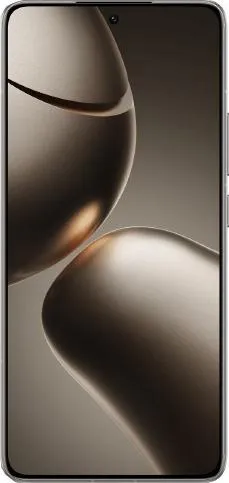
1. Specifications Comparison
| Feature | Sony Xperia 10 V | Xiaomi 14T Pro | Practical Impact |
|---|---|---|---|
| Design | |||
| Dimensions (mm) | 155 x 68 x 8.3 | 160.4 x 75.1 x 8.4 | Xperia 10 V is noticeably smaller and lighter, making it more pocketable and comfortable for one-handed use. |
| Weight (g) | 159 | 209 | Xperia 10 V is significantly lighter, reducing hand fatigue during extended use. |
| Display | |||
| Size (inches) | 6.1 | 6.67 | Xiaomi 14T Pro offers a larger screen for more immersive media consumption and multitasking. |
| Resolution | 1080 x 2520 | 1220 x 2712 | Both offer sharp displays, but the Xiaomi 14T Pro has a slightly higher resolution. |
| Type | OLED | AMOLED | Both offer excellent color reproduction and deep blacks. |
| Refresh Rate | Not specified | 144Hz | The 144Hz refresh rate on the Xiaomi 14T Pro will result in significantly smoother scrolling and animations, benefiting gaming and everyday use. The lack of refresh rate specification for the Xperia limits a direct comparison in this crucial aspect. |
| Peak Brightness | Not specified | 4000 nits | Xiaomi 14T Pro's higher peak brightness ensures better visibility in direct sunlight. The lack of data for the Xperia prevents a complete comparison. |
| Performance | |||
| Chipset | Snapdragon 695 5G (6 nm) | Dimensity 9300+ (4 nm) | The Dimensity 9300+ in the Xiaomi 14T Pro is significantly more powerful, leading to faster app loading, smoother multitasking, and better gaming performance. |
| CPU | Octa-core (2x2.2 GHz Kryo 660 & 6x1.7 GHz Kryo 660) | Octa-core (1x3.4 GHz Cortex-X4 & 3x2.85 GHz Cortex-X4 & 4x2.0 GHz Cortex-A720) | The Xiaomi 14T Pro boasts a more powerful CPU architecture with higher clock speeds, translating to a noticeable performance advantage. |
| GPU | Adreno 619 | Immortalis-G720 MC12 | The Immortalis-G720 is a much more capable GPU, enabling higher graphics settings and smoother frame rates in demanding games. |
| RAM | 6GB/8GB | 12GB | The Xiaomi 14T Pro offers more RAM, facilitating better multitasking and preventing apps from closing in the background. |
| Camera | |||
| Main Camera | 48MP | 50MP | Both have high-resolution main cameras. The Xiaomi utilizes a larger sensor (1/1.31") compared to the Xperia (1/2"), potentially capturing more light and detail. |
| Video | 1080p@30fps | Up to 8K@30fps | Xiaomi 14T Pro offers significantly better video recording capabilities with higher resolution and frame rate options. |
| DxOMark Score | 78 | 135 | The significantly higher DxOMark score suggests that the Xiaomi 14T Pro offers superior overall camera quality. |
| Battery | |||
| Capacity | 5000 mAh | 5000 mAh | Both phones have the same battery capacity, but real-world battery life will depend on factors like software optimization and display efficiency. |
2. Key Differences Analysis
Xiaomi 14T Pro Advantages:
- Significantly more powerful: The Dimensity 9300+ chipset, coupled with 12GB of RAM, offers a substantial performance advantage over the Xperia 10 V. This translates to smoother multitasking, faster app loading, and superior gaming capabilities.
- Superior display: The 144Hz AMOLED display with higher resolution and peak brightness delivers a smoother and more vibrant visual experience.
- Advanced camera system: The higher resolution sensors, 8K video recording, and a much higher DxOMark score suggest significantly better camera performance.
Sony Xperia 10 V Advantages:
- Smaller and lighter: More compact and easier to handle, especially for one-handed use.
3. User Profiles & Recommendations
Xiaomi 14T Pro: Ideal for users who prioritize performance, a high-quality display, and advanced camera features. Suitable for demanding tasks like gaming, video editing, and content creation.
Sony Xperia 10 V: Best suited for users who prioritize portability and one-handed usability above all else. A good option for those seeking a compact phone for everyday tasks like browsing, social media, and communication.
4. Decision Framework
Key Questions for Buyers:
- What level of performance do you need? For demanding tasks, the Xiaomi 14T Pro is the clear winner.
- How important is portability and one-handed use? The Xperia 10 V excels in this area.
- What is your budget? The Xiaomi 14T Pro is significantly more expensive.
Scenario-Based Recommendations:
- Gamer: Xiaomi 14T Pro
- Photographer/Videographer: Xiaomi 14T Pro
- Casual User Prioritizing Portability: Sony Xperia 10 V
- Budget-Conscious User: Sony Xperia 10 V
My Choice: Xiaomi 14T Pro
While I appreciate the compact form factor of the Sony Xperia 10 V, the Xiaomi 14T Pro offers a compelling combination of performance, display quality, and camera capabilities that better suits my needs. The significant upgrade in processing power, the smoother 144Hz display, and the more versatile camera system make it a more future-proof and enjoyable device to use in the long run. The higher price is justified by the substantial improvements across the board. The lack of refresh rate specification for the Xperia 10 V is a significant omission preventing a fuller analysis and making the Xiaomi 14T Pro a safer bet.
