
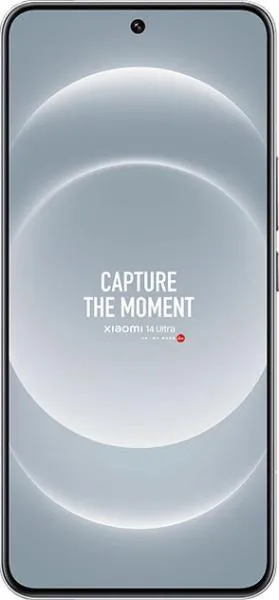
1. Specifications Comparison
| Feature | Sony Xperia 10 V | Xiaomi 14 Ultra | Practical Impact |
|---|---|---|---|
| Design | |||
| Dimensions (mm) | 155 x 68 x 8.3 | 161.4 x 75.3 x 9.2 | Xperia 10 V is significantly smaller and lighter, making it more pocketable and easier to handle one-handed. Xiaomi 14 Ultra will feel bulky. |
| Weight (g) | 159 | 229.5 | Significant weight difference; Xperia 10 V is much lighter for comfortable extended use. |
| Build Material | Not specified | Not specified | Cannot compare build quality and durability without material information. |
| Display | |||
| Display Type | OLED | LTPO AMOLED | Both offer excellent contrast and deep blacks. Xiaomi's LTPO panel allows for dynamic refresh rate adjustment, saving battery and providing smoother scrolling. |
| Display Size | 6.1" | 6.73" | Xiaomi offers a much larger display for more immersive content consumption and multitasking. |
| Resolution | 1080 x 2520 | 1440 x 3200 | Xiaomi has a sharper display with higher pixel density, resulting in clearer text and images. |
| Refresh Rate | Not specified | 120Hz | Xiaomi's 120Hz display provides a noticeably smoother and more responsive user experience. Missing refresh rate information for Xperia limits comparison. |
| Peak Brightness | Not specified | 3000 nits | Missing peak brightness for Xperia. Xiaomi's 3000 nits ensures excellent outdoor visibility. |
| Performance | |||
| Chipset | Snapdragon 695 5G (6nm) | Snapdragon 8 Gen 3 (4nm) | Xiaomi's 8 Gen 3 is significantly more powerful, offering much faster performance for demanding tasks and gaming. |
| CPU | Octa-core (2x2.2 GHz & 6x1.7 GHz) | Octa-core (1x3.3 GHz & 3x3.2 GHz & 4x2.0 GHz) | Xiaomi boasts a faster and more efficient CPU architecture for superior performance across the board. |
| GPU | Adreno 619 | Adreno 750 | Xiaomi's GPU provides a substantial leap in graphics performance, ideal for high-end gaming and graphically intensive applications. |
| RAM | 6GB | 16GB | Xiaomi offers significantly more RAM for smoother multitasking and handling demanding applications without slowdown. |
| Camera | |||
| Main Camera | 48MP (Sony IMX582) | 50MP (Sony LYT-900) with variable aperture | Xiaomi's larger sensor, higher resolution, and variable aperture suggest superior low-light performance and depth of field control. |
| Ultrawide | 8MP | 50MP (Sony IMX858) | Significant difference in resolution. Xiaomi's ultrawide offers much more detail and flexibility. |
| Telephoto | 8MP | 50MP (Sony IMX858) + 50MP (Sony IMX858) | Xiaomi features dual telephoto lenses providing significantly superior zoom capabilities compared to Xperia's single 8MP telephoto. |
| Video | 1080p@30fps | Up to 8K@30fps | Xiaomi offers significantly higher video resolution and frame rates, enabling professional-grade video recording. |
| Battery | |||
| Capacity | 5000 mAh | 5000 mAh | Similar battery capacity, but real-world battery life will depend on software optimization and display power consumption. Xiaomi's LTPO display might offer better efficiency. |
2. Key Differences Analysis
Xiaomi 14 Ultra Advantages:
- Significantly more powerful: The Snapdragon 8 Gen 3 and 16GB RAM deliver a vastly superior performance experience.
- Superior Display: Larger, higher resolution, faster refresh rate (120Hz), and LTPO technology for smoother visuals and better battery efficiency.
- Advanced Camera System: Variable aperture, larger sensors, dual telephoto lenses, and 8K video recording capabilities.
Sony Xperia 10 V Advantages:
- Smaller and Lighter: More compact and easier for one-handed use.
- Lower Price: Expected to be considerably more affordable.
3. User Profiles & Recommendations
Xiaomi 14 Ultra: Ideal for power users, gamers, photography enthusiasts, and content creators who demand top-tier performance, a stunning display, and a cutting-edge camera system.
Sony Xperia 10 V: Suitable for users prioritizing portability, affordability, and basic smartphone functionality. Good for users who prefer smaller phones and don't engage in demanding tasks.
4. Decision Framework
Key Questions for Buyers:
- What is your budget? The Xiaomi 14 Ultra is significantly more expensive.
- What is your primary use case? Gaming, photography, content creation vs. everyday communication and basic tasks.
- Do you prioritize portability or screen size/performance? The Xperia 10 V is smaller and lighter, while the Xiaomi 14 Ultra offers a larger display and much better performance.
My Choice: Xiaomi 14 Ultra
While the Sony Xperia 10 V offers a compelling combination of portability and affordability, the Xiaomi 14 Ultra is the clear winner for me. Its superior performance, stunning display, and advanced camera system are simply too enticing. The significant advancements in processing power, camera technology, and display quality justify the higher price. Although bulkier, the Xiaomi 14 Ultra offers a future-proof device capable of handling any task with ease. I prioritize performance, a great camera, and a smooth display, making the 14 Ultra a better fit for my needs.
