1. Specifications Comparison
| Feature | Sony Xperia 10 V | Xiaomi 13T Pro | Practical Impact |
|---|---|---|---|
| Design | |||
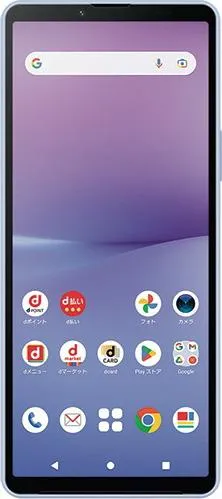
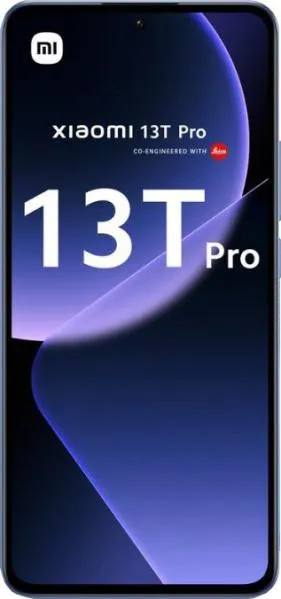
| Dimensions (mm) | 155 x 68 x 8.3 | 162.2 x 75.7 x 8.5 | Xperia 10 V is significantly more compact and pocketable. 13T Pro is larger and heavier. |
| Weight (g) | 159 | 200 | Xperia 10 V is noticeably lighter, reducing hand fatigue during extended use. |
| Display | |||
| Display Size (inches) | 6.1 | 6.67 | 13T Pro offers a larger screen for more immersive media consumption and multitasking. |
| Resolution | 1080 x 2520 | 1220 x 2712 | Both offer sharp displays, but the 13T Pro has a slightly higher resolution. |
| Display Type | OLED | AMOLED | Negligible real-world difference in image quality for most users. |
| Refresh Rate | Not specified | 144Hz | 13T Pro's high refresh rate results in significantly smoother scrolling and animations. Xperia's lack of specified refresh rate suggests a standard 60Hz. |
| Peak Brightness | Not specified | 2600 nits | 13T Pro's superior peak brightness ensures excellent outdoor visibility. Missing Xperia spec limits comparison. |
| Performance | |||
| Chipset | Snapdragon 695 5G (6 nm) | Dimensity 9200+ (4 nm) | 13T Pro boasts a significantly more powerful processor, leading to much faster performance in demanding tasks and gaming. |
| CPU | Octa-core (2x2.2 GHz Kryo 660 Gold & 6x1.7 GHz Kryo 660 Silver) | Octa-core (1x3.35 GHz Cortex-X3 & 3x3.0 GHz Cortex-A715 & 4x2.0 GHz Cortex-A510) | 13T Pro's CPU architecture is more modern and powerful. |
| GPU | Adreno 619 | Immortalis-G715 MC11 | 13T Pro offers a vastly superior GPU, delivering a significant advantage in gaming and graphics-intensive applications. |
| RAM | 6GB/8GB | 12GB/16GB | 13T Pro provides significantly more RAM, enabling better multitasking and smoother performance with many apps open. |
| Camera | |||
| Main Camera | 48MP (Sony IMX582) | 50MP (Sony IMX707) | 13T Pro's main sensor is larger, likely capturing more light and detail in various conditions. |
| Video Recording | 1080p@30fps | Up to 8K@24fps | 13T Pro offers significantly better video recording capabilities, including higher resolution and frame rates. |
| DXOMARK Score | 78 | 131 | 13T Pro scores much higher, indicating significantly better overall camera quality. |
| Battery | |||
| Capacity | 5000 mAh | 5000 mAh | Similar battery capacity. Real-world battery life will depend on usage and optimization. |
2. Key Differences Analysis
Xiaomi 13T Pro Advantages:
- Significantly superior performance: The Dimensity 9200+ chipset, coupled with more RAM, delivers a vastly smoother and faster experience for demanding tasks and gaming.
- High-end display: The 144Hz AMOLED display with higher resolution and peak brightness offers a noticeably better visual experience.
- Much better camera system: Higher resolution sensors, 8K video recording, and a considerably higher DXOMARK score indicate superior image and video quality.
Sony Xperia 10 V Advantages:
- Compact and lightweight design: Easier to handle and carry, ideal for users prioritizing portability.
3. User Profiles & Recommendations
Xiaomi 13T Pro: Ideal for users who prioritize performance, a high-quality display, and a top-tier camera. Suitable for demanding tasks, mobile gaming, and content creation.
Sony Xperia 10 V: Best suited for users who highly value portability and a compact form factor above all else. A good option for basic tasks, web browsing, and casual media consumption. Budget-conscious users might find it appealing if pricing is significantly lower.
4. Decision Framework
Key Questions for Buyers:
- What is your budget? The 13T Pro is positioned in a higher price bracket.
- What are your primary smartphone usage patterns? (Gaming, photography, media consumption, basic communication)
- How important is portability and one-handed usability?
Scenario-Based Recommendations:
- Heavy gamer/power user: Xiaomi 13T Pro
- Casual user prioritizing portability: Sony Xperia 10 V
- Photographer/videographer: Xiaomi 13T Pro
My Choice: Xiaomi 13T Pro
While the Sony Xperia 10 V offers a compelling compact design, the Xiaomi 13T Pro's significant advantages in performance, display, and camera make it the clear winner for me. I prioritize a smooth and responsive user experience, a great screen for media consumption, and a capable camera. The 13T Pro delivers on all these fronts. While the larger size might be a minor drawback, the substantial upgrade in overall quality and capabilities outweighs the portability trade-off. The superior specifications of the 13T Pro translate to a more future-proof device, ensuring a better long-term user experience.
