1. Specifications Comparison
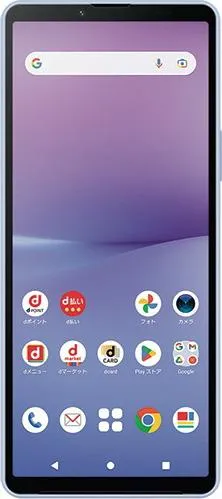
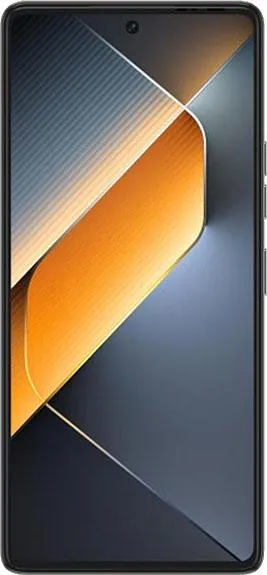
| Feature | Sony Xperia 10 V | Tecno Pova 6 Pro | Practical Impact |
|---|---|---|---|
| Design | |||
| Dimensions (mm) | 155 x 68 x 8.3 | 165.5 x 76.1 x 7.9 | Xperia 10 V is significantly more compact and pocketable. Pova 6 Pro is larger, potentially less comfortable for one-handed use. |
| Weight (g) | 159 | 198 | Xperia 10 V is noticeably lighter, reducing hand fatigue during extended use. |
| Display | |||
| Size (inches) | 6.1 | 6.78 | Pova 6 Pro offers a much larger screen for immersive media consumption and multitasking. Xperia 10 V is more compact. |
| Resolution | 1080 x 2520 | 1080 x 2436 | Similar sharpness despite different aspect ratios. Pova 6 Pro might show slightly less detail due to lower pixel density. |
| Type | OLED | AMOLED | Both offer vibrant colors and deep blacks. |
| Refresh Rate | Not specified | 120Hz | Pova 6 Pro's 120Hz refresh rate delivers smoother scrolling and animations, resulting in a more fluid user experience. Missing Xperia refresh rate info hinders comparison. |
| Peak Brightness | Not specified | 1300 nits | Pova 6 Pro's high peak brightness ensures better visibility in direct sunlight. Missing Xperia data limits comparison here. |
| Performance | |||
| Chipset | Snapdragon 695 5G | Dimensity 6080 | Both are mid-range chipsets. Dimensity 6080 may offer slightly better CPU performance, but real-world differences might be negligible for average users. |
| CPU | Octa-core (2x2.2 GHz & 6x1.7 GHz) | Octa-core (2x2.4 GHz & 6x2.0 GHz) | Pova 6 Pro has slightly higher clock speeds, potentially offering a minor performance advantage in demanding tasks. |
| GPU | Adreno 619 | Mali-G57 MC2 | Performance differences likely minor for casual gaming. More demanding games may run better on the Pova 6 Pro. |
| RAM | 6GB | 6/12GB | Pova 6 Pro offers a 12GB RAM option, enabling superior multitasking and app switching compared to the 6GB in both phones. |
| Camera | |||
| Main Camera | 48MP | 108MP | Pova 6 Pro's higher resolution allows for more detailed photos and larger prints. Image quality depends on sensor and processing, not just megapixels. |
| Video Recording | 1080p@30fps | 1440p@30fps, 1080p@60fps | Pova 6 Pro offers higher resolution and frame rate video recording capabilities. |
| Battery | |||
| Capacity | 5000 mAh | 6000 mAh | Pova 6 Pro's larger battery likely translates to longer battery life. |
2. Key Differences Analysis
Sony Xperia 10 V Advantages:
- Compactness and Light Weight: Significantly smaller and lighter, making it ideal for one-handed use and portability.
- OLED Display: Offers vibrant colors and deep blacks.
Tecno Pova 6 Pro Advantages:
- Larger Display and Higher Refresh Rate: More immersive media consumption and smoother user experience.
- More Powerful Processor and Higher RAM Option: Potentially better performance for demanding tasks and multitasking.
- Higher Resolution Camera and Better Video Recording: Captures more detailed photos and videos.
- Larger Battery: Longer battery life.
Trade-offs:
- The Xperia 10 V sacrifices screen size, performance, and battery life for a more compact and lightweight design.
- The Pova 6 Pro compromises portability for a larger display, better performance, and longer battery life.
3. User Profiles & Recommendations
Sony Xperia 10 V: Users who prioritize portability and one-handed use above all else. Ideal for those who primarily use their phone for communication, web browsing, and light media consumption.
Tecno Pova 6 Pro: Users who prioritize a large display, smooth performance, long battery life, and high-resolution cameras. Suitable for heavy multimedia consumers, gamers, and multitaskers.
4. Decision Framework
Key Questions for Buyers:
- What screen size do you prefer? A large screen for immersive content or a smaller screen for easy one-handed use?
- How important is battery life? Do you need a phone that can last all day on a single charge?
- What is your budget? The Pova 6 Pro is priced higher than the Xperia 10 V.
My Choice: Tecno Pova 6 Pro
While I appreciate the Xperia 10 V's compact design, the Tecno Pova 6 Pro offers a more compelling overall package for my needs. The larger, 120Hz AMOLED display, combined with the potentially more powerful processor, higher RAM option, larger battery, and superior camera system, makes it a more versatile device. I prioritize performance, battery life, and a large screen for media consumption and productivity, making the Pova 6 Pro the better choice for me. The slightly higher price is justifiable for the significant upgrades it offers. The lack of specific display refresh rate and brightness data for the Xperia 10 V makes a complete comparison difficult, further solidifying my choice of the Pova 6 Pro.
