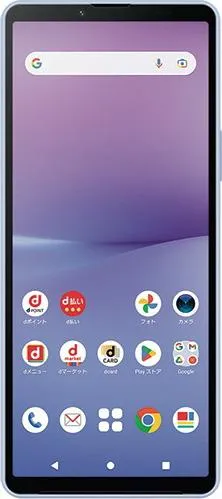
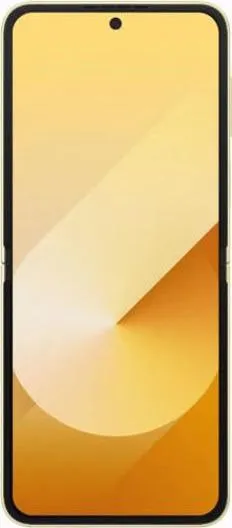
- Specifications Comparison
| Feature | Sony Xperia 10 V | Samsung Galaxy Z Flip6 | Practical Impact |
|---|---|---|---|
| Design | |||
| Dimensions (mm) | 155 x 68 x 8.3 | 165.1 x 71.9 x 6.9 | Z Flip6 is wider and shorter due to its foldable design. Xperia 10 V is significantly thinner. Foldable design offers portability and novelty, while the slim Xperia 10 V might be more pocketable. |
| Weight (g) | 159 | 187 | Z Flip6 is noticeably heavier. |
| Foldable | No | Yes | Z Flip6's foldable design allows for a larger screen in a compact form factor. Xperia 10 V offers a traditional smartphone experience. |
| Display | |||
| Size (inches) | 6.1 | 6.7 | Larger display on the Z Flip6 provides more immersive content consumption. |
| Resolution (pixels) | 1080 x 2520 | 1080 x 2640 | Similar pixel density, but Z Flip6's larger screen offers slightly more screen real estate. |
| Type | OLED | Foldable Dynamic AMOLED | Z Flip6 utilizes a more advanced AMOLED with higher peak brightness and a 120Hz refresh rate, resulting in smoother animations and better outdoor visibility. Xperia 10 V lacks refresh rate spec. |
| Performance | |||
| Chipset | Snapdragon 695 | Snapdragon 8 Gen 3 | Significantly faster and more powerful processor in the Z Flip6, enabling smoother multitasking, gaming, and demanding applications. |
| CPU | Octa-core | Octa-core | While both are octa-core, the 8 Gen 3 has a more powerful architecture with higher clock speeds. |
| RAM (GB) | 6 | 12 | Double the RAM on the Z Flip6 allows for more apps to run in the background and improved multitasking performance. |
| Camera | |||
| Rear Cameras | 48MP + 8MP + 8MP | 50MP + 12MP | Both offer versatile camera systems. Z Flip6 has a higher resolution primary sensor, while Xperia 10 V has a dedicated telephoto lens. Practical image quality differences require further review. |
| Video | 1080p@30fps | Up to 4K@60fps | Z Flip6 offers significantly better video recording capabilities with higher resolution and frame rates. |
| Battery | |||
| Capacity (mAh) | 5000 | 4000 | Larger battery capacity in the Xperia 10 V suggests potentially longer battery life, however, real-world usage can vary significantly based on usage patterns and software optimization. |
- Key Differences Analysis
- Performance: The Z Flip6 boasts a significantly more powerful processor and double the RAM, leading to a vastly superior performance for demanding tasks and multitasking.
- Display: Z Flip6's foldable Dynamic AMOLED with a 120Hz refresh rate offers a much smoother and more responsive visual experience compared to the Xperia 10 V's standard OLED.
- Form Factor: The Z Flip6's foldable design is unique and compact when folded, but heavier. The Xperia 10 V is slimmer and lighter with a traditional candybar design.
- Battery: The Xperia 10 V has a larger battery, potentially offering longer battery life, but the Z Flip6's more efficient processor could offset this in real-world usage.
- User Profiles & Recommendations
- Sony Xperia 10 V: Users seeking a lightweight, slim, affordable phone with decent battery life for everyday tasks like browsing, social media, and light photography.
- Samsung Galaxy Z Flip6: Users who prioritize performance, a premium display, and a unique foldable design. Ideal for power users, content creators, and those who value portability and style.
- Decision Framework
- What is your budget? The Z Flip6 is significantly more expensive.
- Do you prioritize performance and a premium display? If so, the Z Flip6 is the clear winner.
- Is the foldable design appealing or do you prefer a traditional smartphone? This is a matter of personal preference.
My Choice: Samsung Galaxy Z Flip6
While the Xperia 10 V offers a good value proposition for its price, the Z Flip6's superior performance, stunning display, and unique foldable design are compelling. The Snapdragon 8 Gen 3 and 12GB RAM future-proof the device, ensuring smooth operation for years to come. The 120Hz Dynamic AMOLED provides a noticeably better visual experience. While the battery is smaller, the more efficient chip might offset this difference in real-world use. The higher price is justified by the significant upgrade in overall user experience and innovative design. The foldable form factor, though heavier, adds a unique appeal and portability advantage.
