
1. Specifications Comparison
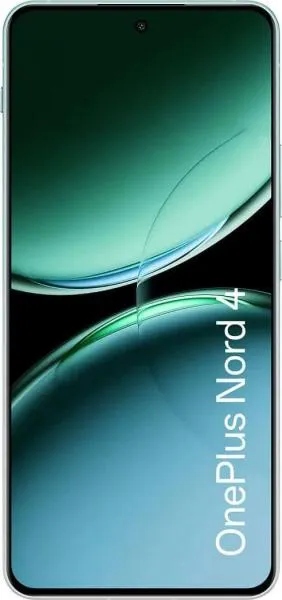
| Feature | Sony Xperia 10 V | OnePlus Nord 4 | Practical Impact |
|---|---|---|---|
| Design | |||
| Dimensions (mm) | 155 x 68 x 8.3 | 162.6 x 75 x 8 | Xperia 10 V is significantly smaller and more pocketable. Nord 4 is larger, potentially less comfortable for one-handed use. |
| Weight (g) | 159 | 199.5 | Xperia 10 V is noticeably lighter, reducing hand fatigue during extended use. |
| Display | |||
| Size (inches) | 6.1 | 6.74 | Nord 4 offers a larger display for more immersive media consumption and multitasking. Xperia 10 V is more compact. |
| Resolution | 1080 x 2520 | 1240 x 2772 | Both offer sharp displays, but Nord 4 has a slightly higher pixel density due to its larger size. |
| Type | OLED | AMOLED | Both offer excellent color reproduction and deep blacks. |
| Refresh Rate | Not specified | 120Hz | Nord 4's 120Hz refresh rate provides smoother scrolling and animations, resulting in a more fluid user experience. Missing refresh rate data for Xperia limits comparison. |
| Performance | |||
| Chipset | Snapdragon 695 5G (6nm) | Snapdragon 7+ Gen 3 (4nm) | Nord 4's newer and more powerful chipset will deliver significantly better performance in demanding tasks and gaming. |
| CPU | Octa-core (2x2.2 GHz & 6x1.7 GHz) | Octa-core (1x2.8 GHz & 4x2.6 GHz & 3x1.9 GHz) | Nord 4's CPU configuration suggests superior performance, particularly in single-core tasks. |
| GPU | Adreno 619 | Adreno 732 | Nord 4's GPU will provide a much better gaming experience and handle graphics-intensive tasks more efficiently. |
| RAM | 6GB/8GB | 8GB/12GB/16GB | Nord 4 offers more RAM options, with higher configurations enabling better multitasking and smoother performance. |
| Camera | |||
| Main Camera | 48MP | 50MP | While both have high megapixel counts, sensor quality and image processing play a larger role in image quality, which can't be fully assessed here. |
| Video Recording | 1080p@30fps | Up to 4K@60fps with EIS | Nord 4 significantly outperforms in video recording capabilities, offering higher resolution and frame rates with electronic image stabilization. |
| Battery | |||
| Capacity | 5000 mAh | 5500 mAh | Nord 4 has a slightly larger battery, potentially offering longer battery life. However, actual usage will depend on various factors. |
2. Key Differences Analysis
OnePlus Nord 4 Advantages:
- Significantly more powerful: The Snapdragon 7+ Gen 3 and higher RAM options offer a noticeable performance advantage for demanding tasks and gaming.
- Smoother display: The 120Hz refresh rate provides a more fluid and responsive user experience.
- Superior video recording: 4K@60fps with EIS enables high-quality video capture.
- Larger display: Offers a more immersive media experience.
Sony Xperia 10 V Advantages:
- More compact and lightweight: Easier to handle and carry.
- Potentially Lower price: Although not specified, devices with lower specs tend to be more affordable.
Trade-offs:
- Performance vs. Portability: Nord 4 prioritizes performance at the cost of size and weight, while Xperia 10 V emphasizes portability.
3. User Profiles & Recommendations
Sony Xperia 10 V: Users who prioritize a compact and lightweight phone for everyday use, primarily focusing on communication, web browsing, and light media consumption. Price-conscious buyers seeking a reliable device without top-tier performance.
OnePlus Nord 4: Users who demand high performance for gaming, multitasking, and demanding applications. Content creators who require high-quality video recording capabilities. Users who prioritize a larger, more immersive display.
4. Decision Framework
Key Questions for Buyers:
- What is your budget? The OnePlus Nord 4 is likely to be more expensive.
- What are your primary use cases? (Gaming, media consumption, productivity, etc.)
- Do you prioritize portability or performance?
My Choice: OnePlus Nord 4
While the Sony Xperia 10 V offers a compelling compact design, the OnePlus Nord 4's superior performance, display, and camera capabilities make it the better overall device for my needs. The significantly faster processor, higher refresh rate display, and advanced video recording features are crucial for a smooth and enjoyable user experience in today's demanding mobile landscape. I value performance and future-proofing, and the Nord 4's specifications align better with my usage patterns, which include gaming, media consumption, and multitasking. While I acknowledge the Xperia 10 V's portability advantage, the performance difference is substantial enough to justify the larger size and weight of the Nord 4 for me.
