1. Specifications Comparison
| Feature | Sony Xperia 10 V | Motorola Razr 50 Ultra | Practical Impact |
|---|---|---|---|
| Design | |||
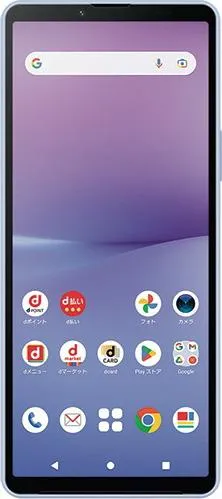
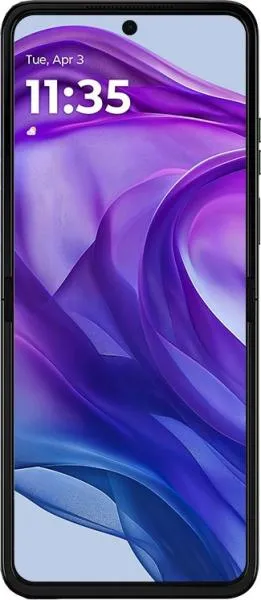
| Dimensions | 155 x 68 x 8.3 mm | 171.4 x 74 x 7.1 mm | Razr 50 Ultra is wider and taller but significantly thinner due to its foldable design. Xperia 10 V is more pocketable in traditional sense, while Razr offers compact storage. |
| Weight | 159 g | 189 g | Xperia 10 V is noticeably lighter, reducing hand fatigue during extended use. |
| Foldable | No | Yes | Razr's foldable design allows for a larger screen in a smaller folded size, but introduces potential durability concerns and crease visibility. |
| Display | |||
| Size | 6.1" | 6.9" | Razr offers a much larger display for immersive content consumption. |
| Resolution | 1080 x 2520 | 1080 x 2640 | Similar pixel density despite the size difference, resulting in comparable sharpness. Razr's larger display provides more screen real estate. |
| Type | OLED | Foldable LTPO AMOLED | Both offer vibrant colors and deep blacks. Razr's LTPO panel enables dynamic refresh rate adjustment for power saving. |
| Refresh Rate | Not specified | 165Hz | Razr's high refresh rate delivers smoother scrolling and animations, enhancing gaming and UI responsiveness. Missing Xperia refresh rate information hinders comprehensive comparison. |
| HDR | Not specified for HDR10/10+/Dolby Vision | HDR10+, Dolby Vision | Razr supports wider HDR formats for enhanced video playback quality. Missing HDR specs for Xperia limit comparison. |
| Peak Brightness | Not specified | 3000 nits | Razr's significantly higher peak brightness ensures better visibility in direct sunlight. Missing Xperia brightness limits comparison. |
| Performance | |||
| Chipset | Snapdragon 695 5G (6 nm) | Snapdragon 8+ Gen 1 (4 nm) | Razr boasts a significantly more powerful processor, resulting in much faster performance, smoother multitasking, and better gaming capabilities. |
| CPU | Octa-core (2x2.2 GHz Kryo 660 Gold & 6x1.7 GHz Kryo 660 Silver) | Octa-core (1x3.0 GHz Cortex-X4 & 4x2.8 GHz Cortex-A720 & 3x2.0 GHz Cortex-A520) | Razr's CPU architecture and clock speeds offer superior performance across all tasks. |
| GPU | Adreno 619 | Adreno 735 | Razr's more powerful GPU delivers significantly better graphics performance for demanding games and applications. |
| RAM | 6GB/8GB | 12GB | Razr's larger RAM allows for more apps to run in the background without impacting performance. |
| Camera | |||
| Main Camera | 48MP | 50MP | Both have high-resolution main sensors. Practical image quality depends on factors beyond resolution, which are not fully available for comparison (e.g., sensor size, processing). |
| Other Cameras | 8MP Wide, 8MP Telephoto | 13MP ultrawide + 32MP selfie | Razr offers a higher resolution ultrawide camera and a superior selfie camera. Xperia offers a dedicated telephoto lens for optical zoom. |
| Video | 1080p@30fps | Up to 4K@60fps with HDR, EIS | Razr offers significantly better video recording capabilities with higher resolution, frame rates, and HDR support. |
| Battery | |||
| Capacity | 5000 mAh | 3800 mAh | Xperia 10 V has a significantly larger battery capacity, potentially offering longer battery life. However, Razr's LTPO display could offset this difference. |
2. Key Differences Analysis
Sony Xperia 10 V Advantages:
- Lighter and More Pocketable: Easier to carry and use for extended periods.
- Larger Battery: Potentially longer battery life, although real-world usage will vary.
- Lower Price: Offers a more budget-friendly option. More affordable
Motorola Razr 50 Ultra Advantages:
- Foldable Design: Offers a larger screen in a more compact folded size.
- Significantly More Powerful: Superior performance for demanding tasks and gaming.
- Higher Refresh Rate Display: Smoother scrolling, animations, and improved responsiveness.
- Better Camera Features: Higher resolution ultrawide and selfie cameras, superior video recording capabilities.
3. User Profiles & Recommendations
Sony Xperia 10 V: Ideal for users who prioritize battery life, portability, and affordability over raw performance and cutting-edge features. Best for casual users focusing on communication, web browsing, and light media consumption.
Motorola Razr 50 Ultra: Suitable for users who want the latest technology, a large screen in a compact form factor, and top-tier performance. Ideal for power users, gamers, and content creators who demand the best.
4. Decision Framework
Key Questions for Buyers:
- Budget: How much are you willing to spend?
- Performance Needs: Do you require top-tier performance for demanding tasks or gaming?
- Form Factor Preference: Do you value a foldable design or a traditional smartphone experience?
Scenario-Based Recommendations:
- Limited Budget, Casual User: Xperia 10 V
- Power User, Prioritizes Performance: Razr 50 Ultra
- Wants a Large Screen in a Compact Device: Razr 50 Ultra
- Prioritizes Battery Life and Affordability: Xperia 10 V
My Choice: Motorola Razr 50 Ultra
While the Xperia 10 V offers a compelling combination of battery life and affordability, the Motorola Razr 50 Ultra aligns better with my personal preferences. I value a smooth and responsive user experience, which the Razr's powerful processor and high refresh rate display deliver. The foldable design, while potentially less durable, is intriguing for its compact portability with a large screen when unfolded. I'm willing to compromise on battery life for the significant performance upgrade and innovative form factor. The superior camera features, especially video recording capabilities, further solidify my choice. The price difference is significant, but the Razr 50 Ultra provides a substantial leap in overall user experience that justifies the premium for my needs.
