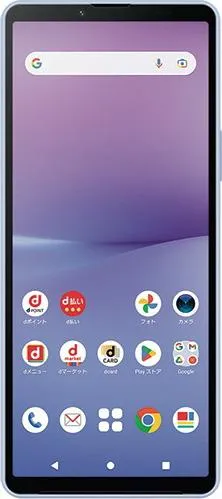
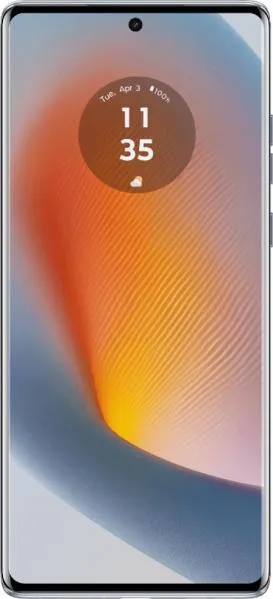
1. Specifications Comparison
| Feature | Sony Xperia 10 V | Motorola Edge 50 Fusion | Practical Impact |
|---|---|---|---|
| Design | |||
| Dimensions (mm) | 155 x 68 x 8.3 | 161.9 x 73.1 x 7.9 | Xperia 10 V is noticeably smaller and lighter, easier for one-handed use and pocketability. |
| Weight (g) | 159 | 174.9 | Xperia 10 V is significantly lighter, reducing hand fatigue during extended use. |
| Display | |||
| Size (inches) | 6.1 | 6.7 | Edge 50 Fusion offers a larger screen for more immersive media consumption and multitasking. |
| Resolution | 1080 x 2520 | 1080 x 2400 | Similar sharpness despite different aspect ratios. Xperia 10 V slightly taller. |
| Type | OLED | p-OLED | Both offer excellent color reproduction and deep blacks. p-OLED potentially more power efficient. |
| Refresh Rate | Not specified | 120Hz | Edge 50 Fusion's high refresh rate delivers smoother scrolling and animations, enhancing responsiveness. Missing Xperia refresh rate info hinders comparison. |
| Performance | |||
| Chipset | Snapdragon 695 5G (6nm) | Snapdragon 7s Gen 2 (4nm) | Edge 50 Fusion boasts a more powerful and efficient processor, enabling faster performance and potentially better battery life. |
| CPU | Octa-core (2x2.2 GHz Kryo 660 Gold & 6x1.7 GHz Kryo 660 Silver) | Octa-core (4x2.4 GHz Cortex-A78 & 4x1.95 GHz Cortex-A55) | Edge 50 Fusion has faster and more powerful CPU cores, resulting in significantly improved performance for demanding tasks and gaming. |
| GPU | Adreno 619 | Adreno 710 | Edge 50 Fusion's GPU provides a substantial graphics performance boost, benefiting gaming and visually intensive applications. |
| RAM | 6GB | 8GB | Edge 50 Fusion's larger RAM enables better multitasking and smoother performance with multiple open apps. |
| Camera | |||
| Main Camera | 48MP (Sony IMX582) | 50MP (Sony LYT-700C) | Edge 50 Fusion's larger sensor likely captures more light and detail, especially in low-light conditions. |
| Video Capabilities | 1080p@30fps | Up to 4K@30fps with EIS | Edge 50 Fusion offers superior video recording capabilities with higher resolution and Electronic Image Stabilization. |
| Battery | |||
| Capacity | 5000 mAh | 5000 mAh | Similar battery capacity, though real-world battery life depends on other factors like display and processor efficiency. |
2. Key Differences Analysis
Motorola Edge 50 Fusion Advantages:
- Significantly better performance: The Snapdragon 7s Gen 2 and higher RAM provide a substantial performance advantage for demanding tasks, multitasking, and gaming.
- Smoother display: The 120Hz refresh rate offers a more fluid and responsive user experience.
- Superior camera capabilities: Larger main sensor, 4K video recording, and Electronic Image Stabilization enhance photographic and videography potential.
- More recent OS with longer update support: Launched with Android 14 and promised updates to Android 17, ensuring longer software support and security updates.
Sony Xperia 10 V Advantages:
- Smaller and lighter: More compact and pocketable, making it ideal for one-handed use.
- Potentially longer battery life: While both have 5000mAh batteries, the Xperia 10 V's less demanding hardware might translate to longer battery life in practice. This is speculative due to the lack of refresh rate info on the Xperia.
3. User Profiles & Recommendations
Sony Xperia 10 V: Users prioritizing compact size, portability, and potentially longer battery life over raw performance. Ideal for basic tasks, web browsing, social media, and casual photography.
Motorola Edge 50 Fusion: Users seeking a powerful and feature-rich device for demanding tasks, gaming, media consumption, and mobile photography/videography. Suitable for power users, content creators, and mobile gamers.
4. Decision Framework
Key Questions for Buyers:
- What is your budget and how important is performance? The Edge 50 Fusion offers significantly better performance but might be slightly more expensive.
- Do you prioritize portability and one-handed use? The Xperia 10 V excels in compactness and lightness.
- How important is a smooth and responsive display, high-quality camera, and long software support? The Edge 50 Fusion leads in these areas.
Scenario-Based Recommendations:
- Limited budget, casual user: Sony Xperia 10 V
- Power user, gamer, content creator: Motorola Edge 50 Fusion
My Choice: Motorola Edge 50 Fusion
While I appreciate the Xperia 10 V's compact design, the Motorola Edge 50 Fusion's superior performance, smoother display, better camera system, and longer software support make it the more compelling choice for me. The performance difference between the Snapdragon 695 and 7s Gen 2 is significant, impacting everyday usability. The 120Hz display enhances the user experience considerably. Furthermore, the Edge 50 Fusion's future-proofing with Android updates is a crucial factor in long-term device satisfaction. The slightly larger size is a trade-off I'm willing to make for the substantial gains in other areas.
