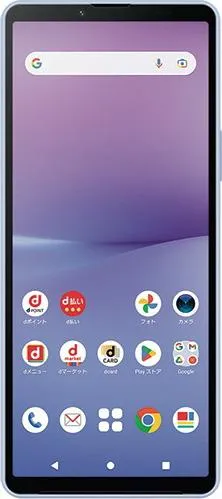
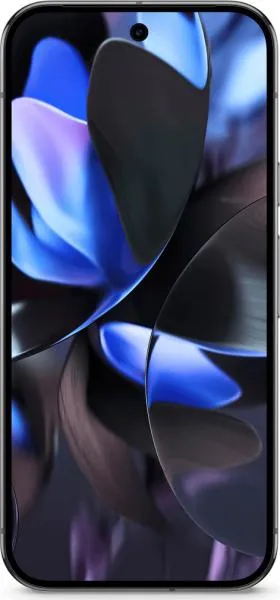
1. Specifications Comparison
| Feature | Sony Xperia 10 V | Google Pixel 9 Pro XL | Practical Impact |
|---|---|---|---|
| Design | |||
| Dimensions (mm) | 155 x 68 x 8.3 | 162.8 x 76.6 x 8.5 | Pixel 9 Pro XL is noticeably larger and heavier. Xperia 10 V is more pocketable and easier to handle one-handed. |
| Weight (g) | 159 | 221 | Significant weight difference; Xperia 10 V is much lighter and less fatiguing to hold for extended periods. |
| Display | |||
| Size (inches) | 6.1 | 6.8 | Pixel offers a much larger screen for immersive media consumption and multitasking. |
| Resolution | 1080 x 2520 | 1344 x 2992 | Pixel has a sharper display with higher pixel density (486 vs 449 ppi). |
| Type | OLED | LTPO OLED | Both are OLED, but Pixel's LTPO technology allows for variable refresh rate up to 120Hz, resulting in smoother scrolling and animations and potentially better battery life. |
| Refresh Rate | Unspecified | 120Hz | Pixel's 120Hz refresh rate provides a significantly smoother and more responsive user experience compared to the Xperia's unspecified refresh rate. |
| Performance | |||
| Chipset | Snapdragon 695 5G (6 nm) | Google Tensor G4 (4 nm) | Tensor G4 is a significantly more powerful chip, enabling faster performance, better multitasking, and superior AI capabilities. |
| CPU | Octa-core (2x2.2 GHz Kryo 660 Gold & 6x1.7 GHz Kryo 660 Silver) | Octa-core (1x3.1 GHz Cortex-X4 & 3x2.6 GHz Cortex-A720 & 4x1.92 GHz Cortex-A520) | Pixel's CPU architecture and higher clock speeds offer substantial performance advantages for demanding tasks and gaming. |
| RAM | 6GB/8GB | 16GB | Pixel has significantly more RAM, enabling smoother multitasking and better performance with memory-intensive applications. |
| Camera | |||
| Rear Camera | 48MP Main, 8MP Wide, 8MP Telephoto | 50MP Main, 48MP Wide/Macro, 48MP Telephoto | Pixel boasts higher resolution sensors and more advanced features like 8K video recording. |
| DXOMark Score | 78 | 158 | Pixel scores significantly higher in DXOMark, indicating superior overall camera quality. |
| Battery | |||
| Capacity | 5000 mAh | 5060 mAh | Negligible difference in battery capacity. Real-world battery life will depend more on software optimization and usage patterns. |
2. Key Differences Analysis
Sony Xperia 10 V Advantages:
- Compact and Lightweight: Significantly smaller and lighter, making it ideal for one-handed use and portability.
- Lower Price: Positioned in the mid-range price segment, offering a more affordable option.
Google Pixel 9 Pro XL Advantages:
- Superior Performance: Much more powerful processor and significantly more RAM for a smoother and faster experience.
- High-Quality Display: Larger, sharper display with LTPO technology for a smoother and more responsive visual experience.
- Advanced Camera System: Higher resolution sensors, 8K video recording, and a significantly higher DXOMark score point to superior image and video quality.
- Longer Software Support: Pixel phones typically receive longer software updates and security patches compared to Sony phones.
3. User Profiles & Recommendations
Sony Xperia 10 V:
- Ideal User: Budget-conscious users who prioritize portability and ease of use over top-tier performance and camera features. Users who prefer smaller phones.
- Use Cases: Everyday tasks like browsing, social media, casual gaming, and communication.
Google Pixel 9 Pro XL:
- Ideal User: Users who demand the best performance, camera quality, and latest software features. Power users, gamers, and photography enthusiasts.
- Use Cases: Demanding tasks, mobile gaming, professional photography and videography, multitasking, and utilizing AI-powered features.
4. Decision Framework
Key Questions for Buyers:
- What is your budget? The Pixel 9 Pro XL is significantly more expensive.
- What are your primary smartphone needs? Prioritize performance and camera? Or portability and affordability?
- How important is software support and future-proofing? Pixel phones generally receive longer software updates.
Scenario-Based Recommendations:
- Limited Budget, Casual User: Sony Xperia 10 V
- Power User, Best Camera: Google Pixel 9 Pro XL
- Balance of Performance and Value: Consider other options or wait for reviews and price drops on the Pixel 9 Pro XL.
My Choice: Google Pixel 9 Pro XL
While the Sony Xperia 10 V offers a compelling combination of portability and affordability, the Google Pixel 9 Pro XL is the clear winner for me. I prioritize performance, a smooth display, and a top-tier camera, all areas where the Pixel excels. The significantly more powerful Tensor G4 chip, 16GB of RAM, and 120Hz LTPO display ensure a fluid and responsive user experience. While the larger size and higher price are factors, the overall package offered by the Pixel 9 Pro XL, including its superior camera and longer software support, makes it the more compelling device for my needs. The jump in DXOMARK score (78 vs 158) alone suggests a substantially better camera experience. I'm willing to pay the premium for the significant upgrades in performance, display, camera quality, and longer-term software updates.
