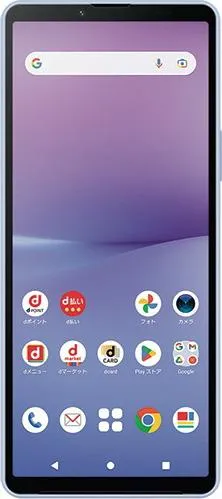

1. Specifications Comparison
| Feature | Sony Xperia 10 V | Google Pixel 8 Pro | Practical Impact |
|---|---|---|---|
| Design | |||
| Dimensions (mm) | 155 x 68 x 8.3 | 162.6 x 76.5 x 8.8 | Pixel 8 Pro is larger and noticeably thicker. Xperia 10 V is more pocketable and lighter. |
| Weight (g) | 159 | 213 | Xperia 10 V is significantly lighter, reducing hand fatigue during extended use. |
| Build Materials | Not specified | Not specified | Cannot compare build quality and durability without material information. |
| Display | |||
| Display Size (inches) | 6.1 | 6.7 | Pixel 8 Pro offers a larger screen for more immersive media consumption and multitasking. |
| Resolution | 1080 x 2520 | 1344 x 2992 | Pixel 8 Pro has a sharper display with higher pixel density, resulting in clearer text and images. |
| Display Type | OLED | LTPO OLED | Both are OLED, offering vibrant colors and deep blacks. Pixel 8 Pro's LTPO technology allows for a variable refresh rate up to 120Hz, resulting in smoother scrolling and animations while conserving battery when static. |
| Refresh Rate | Not specified | 120Hz | Pixel 8 Pro's 120Hz refresh rate provides a significantly smoother user experience. Missing refresh rate data for Xperia limits comparison. |
| Peak Brightness | Not specified | 2400 nits | Pixel 8 Pro's higher peak brightness ensures better visibility in direct sunlight. Missing data for Xperia limits comparison. |
| Performance | |||
| Chipset | Snapdragon 695 5G (6 nm) | Google Tensor G3 (4 nm) | Tensor G3 is a significantly more powerful chip, enabling faster performance in demanding tasks and AI processing. |
| CPU | Octa-core (2x2.2 GHz Kryo 660 & 6x1.7 GHz Kryo 660) | Nona-core (1x3.0 GHz Cortex-X3 & 4x2.45 GHz Cortex-A715 & 4x2.15 GHz Cortex-A510) | Pixel 8 Pro boasts a more powerful and modern CPU architecture for superior performance. |
| RAM | 6GB | 12GB | Pixel 8 Pro has double the RAM, allowing for smoother multitasking and better performance with multiple apps open. |
| Camera | |||
| Rear Camera | 48MP Main, 8MP Wide, 8MP Telephoto | 50MP Main, 48MP Wide, 48MP Telephoto | Pixel 8 Pro has higher resolution sensors and a more advanced camera system overall, likely resulting in superior image quality. |
| Video Recording | 1080p@30fps | Up to 4K@60fps with HDR, OIS, EIS | Pixel 8 Pro offers significantly better video recording capabilities with higher resolution, frame rates, and stabilization. |
| DXOMARK Score | 78 (Mobile) | 153 (Mobile), 145 (Selfie) | Pixel 8 Pro scores significantly higher in DXOMARK tests, indicating superior overall camera quality. |
| Battery | |||
| Capacity | 5000 mAh | 5050 mAh | Similar battery capacities, though real-world battery life depends on software optimization and usage patterns. |
| Charging Speed | Not specified | Not specified | Cannot compare charging speeds without specific data. |
2. Key Differences Analysis
Sony Xperia 10 V Advantages:
- Compactness and Lightweight: Significantly smaller and lighter, making it more comfortable for one-handed use and pocket portability.
- Lower Price: Typically more affordable than the Pixel 8 Pro.
Google Pixel 8 Pro Advantages:
- Superior Performance: The Tensor G3 chip provides significantly faster processing power for demanding tasks, gaming, and AI features.
- Advanced Camera System: Higher resolution sensors, better video recording capabilities, and advanced computational photography features likely deliver superior image and video quality.
- High-Quality Display: LTPO OLED with 120Hz refresh rate offers a smoother and more responsive user experience.
- Longer Software Support: Google typically provides longer software updates for Pixel phones compared to Sony.
Trade-offs:
- The Pixel 8 Pro's superior performance and features come at the cost of a larger size, heavier weight, and higher price.
- The Xperia 10 V prioritizes portability and affordability over cutting-edge performance and features.
3. User Profiles & Recommendations
Sony Xperia 10 V:
- Ideal User: Budget-conscious users who prioritize a compact and lightweight phone for everyday tasks like calling, texting, browsing, and light media consumption.
- Use Cases: Users who prefer one-handed operation, value pocketability, and don't require the highest performance or camera quality.
Google Pixel 8 Pro:
- Ideal User: Users who demand top-tier performance, the best camera quality, a smooth and responsive display, and the latest software features. Power users, gamers, and photography enthusiasts.
- Use Cases: Demanding mobile gaming, professional photography and videography, heavy multitasking, utilizing AI-powered features.
4. Decision Framework
Key Questions for Buyers:
- What is your budget? The Pixel 8 Pro is significantly more expensive.
- What are your primary use cases? Do you need top-tier performance for gaming or professional work, or is a mid-range phone sufficient for everyday tasks?
- What size and weight do you prefer? Do you prioritize portability and one-handed use, or do you prefer a larger screen for media consumption?
My Choice: Google Pixel 8 Pro
While the Sony Xperia 10 V offers a compelling combination of compactness and affordability, the Google Pixel 8 Pro is the clear winner for me. The significantly more powerful Tensor G3 chip, superior camera system with advanced features, stunning 120Hz LTPO display, and longer software support outweigh the larger size and higher price. As someone who values performance, a smooth user experience, and taking high-quality photos and videos, the Pixel 8 Pro aligns better with my needs and priorities. The Xperia 10 V is a good option for budget-conscious buyers, but the Pixel 8 Pro offers a significant leap in capabilities that justifies the premium.
