1. Specifications Comparison
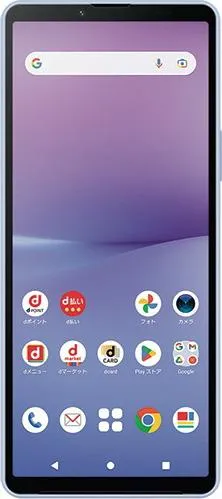
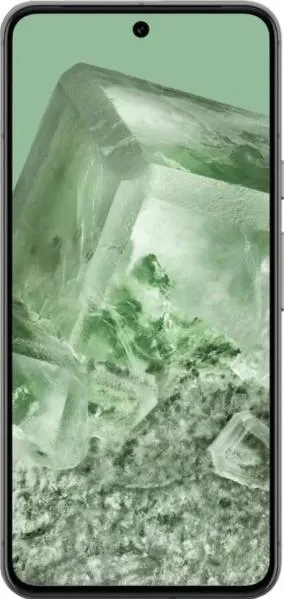
| Feature | Sony Xperia 10 V | Google Pixel 8 | Practical Impact |
|---|---|---|---|
| Design | |||
| Dimensions (mm) | 155 x 68 x 8.3 | 150.5 x 70.8 x 8.9 | Pixel 8 is slightly shorter and wider, Xperia 10 V is thinner. Negligible difference in everyday use. |
| Weight (g) | 159 | 187 | Xperia 10 V is noticeably lighter, reducing hand fatigue during extended use. |
| Build Materials | Not specified | Not specified | Cannot compare build quality and durability without material information. |
| Display | |||
| Display Size (inches) | 6.1 | 6.2 | Very similar screen sizes; negligible difference in viewing experience. |
| Resolution (pixels) | 1080 x 2520 | 1080 x 2400 | Xperia 10 V has a slightly taller aspect ratio (21:9 vs 20:9), better for viewing widescreen content but might display less information in some apps. Both are sharp at this size. |
| Display Type | OLED | OLED | Both offer vibrant colors and deep blacks. |
| Refresh Rate (Hz) | Not specified | 120 | Pixel 8's 120Hz refresh rate provides significantly smoother scrolling and animations, resulting in a more fluid and responsive user experience. |
| Peak Brightness (nits) | Not specified | 2000 | Pixel 8's higher peak brightness ensures better visibility in direct sunlight. Lack of Xperia 10V data prevents full comparison. |
| Performance | |||
| Chipset | Snapdragon 695 5G (6 nm) | Google Tensor G3 (4 nm) | Tensor G3 is a significantly more powerful chip, resulting in faster app loading, smoother multitasking, and better gaming performance. |
| CPU | Octa-core (2x2.2 GHz Kryo 660 Gold & 6x1.7 GHz Kryo 660 Silver) | Nona-core (1x3.0 GHz Cortex-X3 & 4x2.45 GHz Cortex-A715 & 4x2.15 GHz Cortex-A510) | Pixel 8's CPU architecture and higher clock speeds offer superior processing power. |
| GPU | Adreno 619 | Immortalis-G715s MC10 | Pixel 8's GPU provides a substantial advantage in graphics performance for demanding games and applications. |
| RAM (GB) | 6/8 | 8 | Pixel 8 offers more RAM in the compared variant, enabling better multitasking and smoother performance with multiple apps open. |
| Camera | |||
| Rear Camera (MP) | 48 MP Main, 8 MP Wide, 8 MP Telephoto | 50 MP Main, 12 MP Wide | Pixel 8 has a higher resolution main sensor and Google's renowned image processing, likely resulting in superior image quality. |
| Front Camera (MP) | 8 MP | 10.8 MP | Pixel 8 boasts a higher resolution front camera for better selfies. |
| Video Recording | 1080p@30fps | Up to 4K@60fps with HDR, OIS, EIS | Pixel 8 offers vastly superior video recording capabilities with higher resolution, frame rates, and stabilization. |
| Battery | |||
| Capacity (mAh) | 5000 | 4575 | Xperia 10 V has a larger battery capacity, potentially offering longer battery life. However, real-world usage depends on software optimization and other factors. |
2. Key Differences Analysis
Sony Xperia 10 V Advantages:
- Lighter Weight: More comfortable for extended use.
- Potentially Longer Battery Life: Larger battery capacity suggests longer usage time, but real-world performance depends on various factors.
Google Pixel 8 Advantages:
- Significantly More Powerful: Tensor G3 chip provides much faster and smoother performance across the board.
- Superior Display: 120Hz refresh rate delivers a smoother and more responsive experience. Higher peak brightness ensures better outdoor visibility.
- Better Camera: Higher resolution sensors, Google's image processing algorithms, and superior video recording capabilities.
- More Up-to-Date Software: Longer software update support with guaranteed upgrades up to Android 21.
3. User Profiles & Recommendations
Sony Xperia 10 V:
- Ideal User: Budget-conscious users prioritizing battery life and a lightweight phone for basic tasks like calling, texting, and web browsing.
- Use Cases: Everyday communication, light media consumption, casual photography.
Google Pixel 8:
- Ideal User: Users who value performance, a premium camera, smooth display, and the latest software features.
- Use Cases: Demanding mobile gaming, photography enthusiasts, content creation, multitasking, users who want the latest Android features and security updates.
4. Decision Framework
Key Questions for Buyers:
- What is your budget? The Pixel 8 is significantly more expensive.
- What are your primary smartphone uses? Basic tasks vs. demanding applications and gaming.
- How important are camera quality and software updates? Pixel 8 excels in both areas.
Scenario-Based Recommendations:
- Limited Budget, Basic Usage: Xperia 10 V
- Prioritize Performance and Camera: Pixel 8
- Long-Term Software Support is Crucial: Pixel 8
My Choice: Google Pixel 8
While the Xperia 10 V offers a lighter weight and potentially longer battery life, the Pixel 8's significant advantages in performance, camera quality, display, and software support make it the clear winner for me. The Tensor G3 chip, 120Hz display, and Google's camera prowess offer a vastly superior user experience. The longer software update commitment also ensures the phone remains secure and up-to-date for a longer period. I prioritize these features over marginal gains in battery life and weight. The price difference is significant, but the value proposition of the Pixel 8 justifies the higher cost for my needs.
