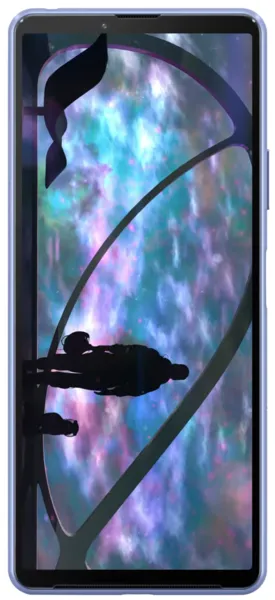
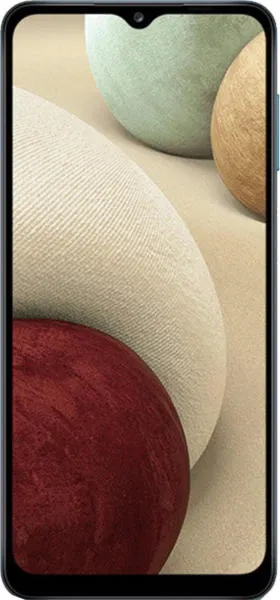
Sony Xperia 10 III vs. Samsung Galaxy A12 Nacho: A Practical Comparison
While both phones sit in the mid-range segment, they cater to very different users—one prioritizes premium features, the other emphasizes affordability and battery life. Let’s break down the key differences.
1. Specifications Breakdown
Design & Build
| Feature | Sony Xperia 10 III | Samsung Galaxy A12 Nacho | Real-World Implications |
|---|---|---|---|
| Dimensions | 154 × 68 × 8.3 mm (169g) | 164 × 75.8 × 8.9 mm (205g) | Xperia is smaller and lighter, making it more pocket-friendly and comfortable for one-handed use. A12 is bulkier but may feel sturdier. |
| Screen Protection | Gorilla Glass 6 | Unknown | Xperia has better scratch resistance, while Samsung’s durability is unclear. |
| Fingerprint Sensor | Side-mounted | Side-mounted | Both use a basic fingerprint scanner—fast but not ultrasonic. |
Display
| Feature | Sony Xperia 10 III | Samsung Galaxy A12 Nacho | Real-World Implications |
|---|---|---|---|
| Size & Tech | 6" OLED (1080p, 457 PPI) | 6.5" PLS LCD (720p, 270 PPI) | Xperia wins: OLED ensures deeper blacks and vivid colors. The A12's LCD is bigger but lower resolution—text and icons may look less sharp. |
| Refresh Rate | 60Hz | 60Hz | Neither supports high refresh rates—fine for casual use but not ideal for gaming. |
Performance
| Feature | Sony Xperia 10 III | Samsung Galaxy A12 Nacho | Real-World Implications |
|---|---|---|---|
| Chipset | Snapdragon 690 5G | Exynos 850 | Xperia is significantly faster (Snapdragon 690 has better CPU/GPU performance, plus 5G support). A12 struggles with heavy apps. |
| RAM & Storage | 6GB RAM + 128GB (fixed) | 3/4/6GB + 32/64/128GB options | Xperia has consistent high RAM, while A12’s lower-end models may slow down quicker. Neither has expandable storage. |
Camera
| Feature | Sony Xperia 10 III | Samsung Galaxy A12 Nacho | Real-World Implications |
|---|---|---|---|
| Main Camera | 12MP (f/1.8) + 8MP telephoto + 8MP ultrawide | 48MP (f/2.0) + 5MP ultrawide + 2MP macro + 2MP depth | Xperia has better low-light shots (wider aperture) and a telephoto lens for zoom. A12 has a high-MP main sensor (but pixel-binned) and a macro cam, which is gimmicky. |
| Video | 4K @ 30fps, 120fps slow-mo | 1080p @ 30fps, 34fps slow-mo | Xperia offers superior video quality, ideal for content creators. A12 is basic. |
Battery & Charging
| Feature | Sony Xperia 10 III | Samsung Galaxy A12 Nacho | Real-World Implications |
|---|---|---|---|
| Capacity | 4,500mAh | 5,000mAh | A12 lasts longer in daily use (11% bigger battery). |
| Charging | 18W fast charging | 15W fast charging | Xperia charges slightly faster, but neither is ultra-fast. |
2. Key Insights
Sony Xperia 10 III Wins If You Want:
✔ Better display (OLED, higher resolution, Gorilla Glass 6)
✔ Faster performance (Snapdragon 690, 5G, smoother multitasking)
✔ Superior cameras (telephoto lens, 4K video, better low-light shots)
✔ Compact, lightweight design (easier one-handed use)
Samsung Galaxy A12 Nacho Wins If You Want:
✔ Bigger screen (6.5" vs. 6")
✔ Longer battery life (5,000mAh vs. 4,500mAh)
✔ Affordable price (likely cheaper than Xperia)
✔ Macro camera (though 2MP is low quality)
3. User Profiles & Recommendations
Who Should Buy the Xperia 10 III?
- Tech enthusiasts who want a premium mid-range experience
- Photography lovers (better zoom, video, and low-light performance)
- Gamers & multitaskers (faster chipset, 6GB RAM)
- People who prefer compact phones
Who Should Buy the A12 Nacho?
- Budget-conscious buyers (likely cheaper)
- Casual users who don’t need high-end performance
- Battery-focused users (longer endurance)
- Those who like a bigger screen
4. Buying Decision Framework
Ask yourself:
- Do I care about display quality and performance more than battery? → Xperia 10 III
- Do I need a big screen and long battery life on a budget? → A12 Nacho
- Am I a casual user or a power user? (Casual → A12, Power → Xperia)
Scenario-Based Recommendations:
- Student on a budget? → A12 Nacho (cheaper, good battery).
- Photography hobbyist? → Xperia 10 III (better cameras).
- Business user needing performance? → Xperia 10 III (faster, 5G).
Final Verdict: Which Would I Choose?
I’d pick the Sony Xperia 10 III.
Why?
- It has a better display (OLED vs. LCD, higher resolution).
- Faster performance (Snapdragon 690 vs. Exynos 850, 5G support).
- More versatile camera setup (telephoto lens, 4K video).
- Compact and lightweight design makes it easier to carry daily.
The A12 Nacho is great for budget buyers, but the Xperia 10 III offers a significantly more premium experience without being overly expensive. If you can afford the difference, the Xperia is the better long-term investment.
