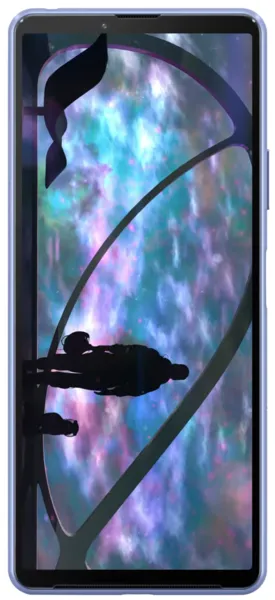
Sony Xperia 10 III vs realme 8: A Practical Comparison
Here’s a detailed breakdown of how these two smartphones compare, focusing on real-world usability rather than just specs.
1. Specifications Breakdown
Design & Build
| Feature | Sony Xperia 10 III | realme 8 | Real-World Implications |
|---|---|---|---|
| Dimensions | 154 × 68 × 8.3 mm | 162 × 75.1 × 8.7 mm | Sony is more compact and easier to handle one-handed. realme 8 is larger, better for media but less pocket-friendly. |
| Weight | 169g | 191g | Sony is noticeably lighter (22g difference), making it more comfortable for long use. |
| Protection | Gorilla Glass 6 | Unknown | Sony offers better drop resistance. |
| Fingerprint Sensor | Side-mounted | Basic fingerprint | Sony’s side-mounted sensor is more ergonomic and faster. |
Takeaway: If you prefer a light, compact phone with better build quality, the Xperia wins. If you want a bigger display, realme 8 is the choice.
Display
| Feature | Sony Xperia 10 III | realme 8 | Real-World Implications |
|---|---|---|---|
| Size | 6.0" OLED | 6.78" AMOLED | realme 8 has a much bigger screen, better for videos/multitasking. |
| Refresh Rate | 60Hz | 120Hz | realme 8’s 120Hz makes scrolling smoother, but Sony’s OLED has deeper blacks. |
| Resolution | 1080x2520 (457 PPI) | 1264x2780 (450 PPI) | Both look sharp, but realme 8 has more pixels (better for gaming/videos). |
Takeaway: If high refresh rate and a big screen matter most, realme 8 wins. If you prefer OLED quality and a more compact size, the Xperia is better.
Performance
| Feature | Sony Xperia 10 III | realme 8 | Real-World Implications |
|---|---|---|---|
| Chipset | Snapdragon 690 (8nm) | Snapdragon 7+ Gen 3 (4nm) | realme 8 has far better efficiency and performance (newer architecture). |
| GPU | Adreno 619 | Adreno 732 | realme 8 is better for gaming, multitasking, and future-proofing. |
| RAM/Storage | 6GB/128GB (No expansion) | Unknown (likely 8GB+) | Sony’s storage is decent, but realme likely has more RAM for better multitasking. |
Takeaway: realme 8 is the clear winner for performance, especially for gaming and demanding apps.
Camera
| Feature | Sony Xperia 10 III | realme 8 | Real-World Implications |
|---|---|---|---|
| Main Camera | 12MP (f/1.8, Sony sensor) | No data (likely 50MP+) | Sony’s Exmor RS sensor should offer better color accuracy. |
| Ultrawide & Telephoto | 8MP (both) | None listed | Sony has better zoom and wide-angle versatility. |
| Video Recording | 4K@30fps, 1080p@120fps slow-mo | 4K@60fps (OIS) | realme 8 has better stabilization; Sony has slow-motion. |
Takeaway: Sony offers more camera flexibility (telephoto, ultrawide, slow-mo), while realme 8 might stabilize video better.
Battery & Charging
| Feature | Sony Xperia 10 III | realme 8 | Real-World Implications |
|---|---|---|---|
| Battery Capacity | 4500mAh | Unknown (likely ~5000mAh) | Sony’s battery is solid, but realme 8 might last longer. |
| Charging Speed | 18W Fast Charging | Standard (no fast charge) | Sony has faster charging, realme likely slower. |
Takeaway: Sony wins in charging speed, but realme might have longer endurance (if battery is larger).
2. Key Insights
Sony Xperia 10 III Strengths:
✅ Compact, lightweight design (better for one-handed use)
✅ Higher-quality OLED display (better colors, deeper blacks)
✅ Superior camera versatility (telephoto, ultrawide, slow-motion)
✅ Faster 18W charging
realme 8 Strengths:
✅ Bigger, smoother 120Hz AMOLED display (better for gaming/media)
✅ Faster, more efficient Snapdragon 7+ Gen 3 chip (better performance)
✅ Likely better battery life (if capacity is larger)
3. Who Should Buy Which?
Choose the Sony Xperia 10 III if you:
✔ Want a compact, lightweight phone with a premium feel.
✔ Prefer better cameras (telephoto/ultrawide/slow-mo).
✔ Don’t care about high refresh rates.
Choose the realme 8 if you:
✔ Want a bigger, smoother 120Hz screen for media/gaming.
✔ Need better performance (Snapdragon 7+ Gen 3 is much faster).
✔ Prefer longer battery life (assuming larger capacity).
4. Buying Decision Framework
Ask yourself these questions:
Do you prioritize performance or camera quality?
- Performance? → realme 8
- Camera versatility? → Sony Xperia 10 III
Do you prefer a compact or large-screen phone?
- Compact? → Sony
- Big screen? → realme
Do you care about fast charging?
- Yes? → Sony (18W)
- No? → realme
Final Verdict: Which Would I Choose?
I’d pick the realme 8.
Why?
- Better performance (Snapdragon 7+ Gen 3 is a huge upgrade).
- Smoother 120Hz AMOLED screen (great for scrolling, gaming, videos).
- Likely better battery life (if it has a 5000mAh battery).
The Sony Xperia 10 III is great for photography and portability, but the realme 8 offers more future-proof performance and a superior display—key factors for most users.
If you don’t need the best camera flexibility, realme 8 is the smarter buy. But if compact size and photography matter more, the Xperia is still a strong contender.
