Sony Xperia 10 III vs. OnePlus Nord N20 SE: A Practical Comparison
1. Specifications Breakdown
| Category | Sony Xperia 10 III | OnePlus Nord N20 SE | Real-World Implications |
|---|---|---|---|
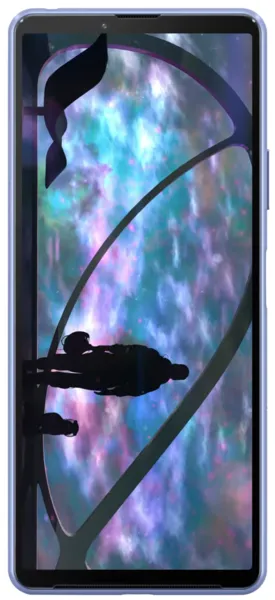
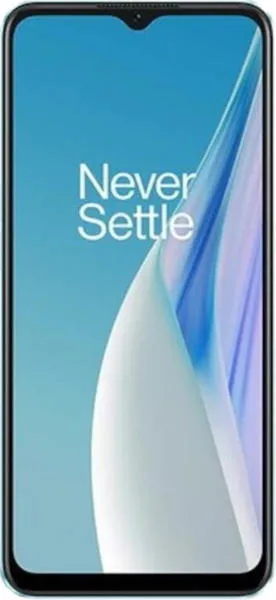
| Design | 154 × 68 × 8.3 mm, 169g | 163.8 × 75 × 8 mm, 187g | Xperia 10 III is lighter and more compact, better for one-handed use. Nord N20 SE is larger and heavier but offers a bigger screen. |
| Display | 6" OLED, 1080x2520, 457 PPI | 6.56" IPS LCD, 720x1612, 269 PPI | Xperia 10 III has a sharper, more vibrant OLED panel. Nord N20 SE has a bigger but lower-resolution LCD screen (less crisp, worse contrast). |
| Performance | Snapdragon 690 5G (8nm), 6GB RAM, 275K AnTuTu | Helio G35 (12nm), 4GB RAM, 221K AnTuTu | Xperia 10 III is significantly faster (better for gaming & multitasking). Nord N20 SE is more entry-level (only for light tasks). |
| Battery & Charging | 4500mAh, 18W charging | 5000mAh, 33W charging | Nord N20 SE lasts longer and charges much faster. Xperia 10 III has decent battery life but slower charging. |
| Cameras | 12MP main, 8MP telephoto, 8MP ultrawide, 8MP selfie, 4K video | 50MP main, 2MP depth, 8MP selfie, 1080p video | Xperia 10 III has a more versatile triple-camera setup (telephoto & ultrawide). Nord N20 SE has a high-res main sensor but lacks versatility. |
| Software | Android 11 (upgradable to 13) | Android 12 (unknown updates) | Xperia 10 III has a clear upgrade path. Nord N20 SE may not see long-term support. |
| Audio & Extras | Hi-Res Audio, dual mics | Stereo speakers, noise-canceling mic | Xperia 10 III for audiophiles (better wired audio). Nord N20 SE has louder speakers (better for media). |
| Durability | Gorilla Glass 6 | No official protection | Xperia 10 III has better screen protection. |
2. Key Insights
Sony Xperia 10 III: Strengths & Weaknesses
✅ Pros:
- Superior display (OLED, high PPI) – Better for media, reading, and color accuracy.
- Faster performance – Handles gaming and multitasking better.
- Better cameras (telephoto & ultrawide) – More flexible for photography.
- More compact & lighter – Easier to use one-handed.
- Longer software support (confirmed Android 13).
❌ Cons:
- Slower charging (18W vs. 33W).
- Smaller battery (4500mAh vs. 5000mAh).
- No stereo speakers (OnePlus has an advantage here).
OnePlus Nord N20 SE: Strengths & Weaknesses
✅ Pros:
- Bigger battery & faster charging – Better endurance and quick top-ups.
- Larger screen (6.56") – More immersive for videos (but lower quality).
- Stereo speakers – Louder, better for media consumption.
- Newer Bluetooth (5.3 vs. 5.1).
❌ Cons:
- Slower processor (Helio G35) – Struggles with heavy apps.
- Lower-res LCD screen – Less sharp, worse viewing angles.
- Basic camera setup (no ultrawide/telephoto).
- Uncertain software support (OnePlus budget phones often lag behind).
3. User Profiles & Recommendations
Who Should Buy the Sony Xperia 10 III?
✔ Photography enthusiasts – Triple-camera setup with a telephoto lens.
✔ Media consumers – Crisp OLED display for movies and reading.
✔ Gamers & power users – Faster chipset and more RAM.
✔ Those who prefer compact phones – Easier to handle.
Who Should Buy the OnePlus Nord N20 SE?
✔ Battery life-focused users – 5000mAh + 33W charging.
✔ Big-screen lovers – 6.56" display (though lower quality).
✔ Budget buyers wanting decent performance – Cheaper, but not a powerhouse.
✔ Casual media users – Stereo speakers are a plus.
4. Buying Decision Framework
Ask yourself these 3 questions:
- Do I prioritize battery life & charging speed? → Nord N20 SE wins.
- Do I care about display quality & camera versatility? → Xperia 10 III wins.
- Do I need smooth performance for gaming/multitasking? → Xperia 10 III wins.
Scenario-Based Recommendations:
- Student on a budget who watches a lot of videos? → Nord N20 SE (bigger screen, better battery).
- Photographer or gamer who wants a premium feel? → Xperia 10 III (better display & performance).
- Business user needing reliability & long-term updates? → Xperia 10 III.
Final Verdict: Which One Would I Choose?
Winner: Sony Xperia 10 III
- The better display, faster performance, and superior cameras make it a more future-proof and versatile device. While the Nord N20 SE has a bigger battery and faster charging, its slower processor, lower-res display, and lack of camera versatility hold it back for most users.
If battery life is your top priority, the Nord N20 SE is worth considering—but in nearly every other aspect, the Xperia 10 III is the better phone overall.
Would you make the same choice? Let me know in the comments! 🚀
