1. Specifications Comparison
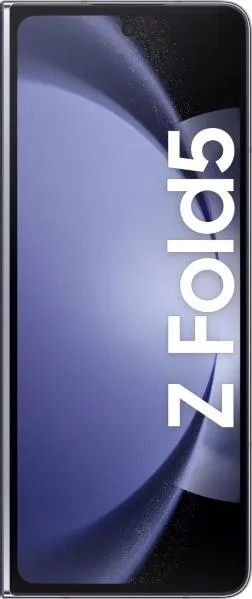
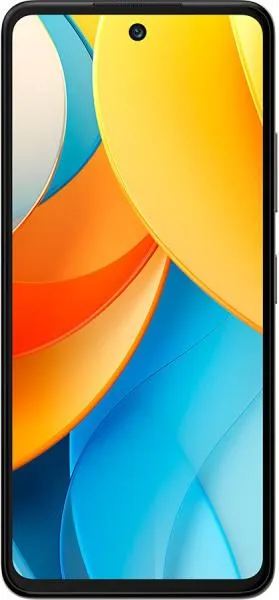
| Feature | Samsung Galaxy Z Fold5 | ZTE Blade V60 Design | Practical Impact |
|---|---|---|---|
| Design | |||
| Dimensions | 154.9 x 129.9 x 6.1 mm (folded) | 164.2 x 75.3 x 8.6 mm | Fold5 is significantly more compact when folded, offering superior portability; V60 Design is a traditional slab phone. |
| Weight | 253g | 198g | Fold5 feels heavier but justifiable due to the folding mechanism; V60 Design is lighter for single-hand use. |
| Foldable | Yes | No | Fold5 offers a larger screen real estate in a pocketable size; V60 Design provides a standard smartphone experience. |
| Display | |||
| Display Type | Foldable Dynamic AMOLED 2X | IPS LCD | Fold5 delivers vibrant colors, deeper blacks, and superior contrast; V60 Design's LCD is less impressive visually. |
| Size | 7.6" (unfolded) | 6.6" | Fold5 provides a tablet-like experience when unfolded; V60 Design offers a typical large-screen phone size. |
| Resolution | 1812 x 2176 | 720 x 1612 | Fold5 boasts significantly sharper visuals and detail; V60 Design's resolution is noticeably lower. |
| Refresh Rate | 120Hz | 90Hz | Fold5 offers smoother scrolling and animations; V60 Design is still smooth but less so than the Fold5. |
| Performance | |||
| Chipset | Snapdragon 8 Gen 2 (4nm) | Unisoc T606 (12nm) | Fold5 provides significantly faster processing, enabling demanding tasks and gaming; V60 Design is suitable for basic tasks. |
| CPU | Octa-core (up to 3.36 GHz) | Octa-core (up to 1.6 GHz) | Fold5's CPU offers superior performance across all applications; V60 Design may struggle with intensive tasks. |
| GPU | Adreno 740 | Mali-G57 MP1 | Fold5 offers a much more powerful GPU for gaming and graphics-intensive applications; V60 Design handles casual gaming. |
| RAM/Storage | 12GB/512GB, 12GB/1000GB | 6GB/256GB | Fold5 provides more RAM for multitasking and ample storage; V60 Design offers less RAM and storage. |
| Camera | |||
| Video Capabilities | 8K@30fps, 4K@60fps | 1080p@30fps | Fold5 offers superior video recording resolution and frame rates; V60 Design's video recording is basic. |
| Battery | |||
| Capacity | 4400 mAh | 5000 mAh | While V60 has a larger battery, Fold5's more efficient processor might result in comparable real-world battery life. This is difficult to determine without real-world testing. |
2. Key Differences Analysis
Samsung Galaxy Z Fold5 Advantages:
- Superior Performance: Significantly faster processor, GPU, and more RAM for demanding tasks and gaming.
- Folding Form Factor: Unique foldable design offers a larger screen in a portable device.
- Stunning Display: High-resolution, high refresh rate AMOLED display with vibrant colors and deep blacks.
- Advanced Camera Features: Higher resolution video recording capabilities.
ZTE Blade V60 Design Advantages:
- Lower Price: Significantly more affordable.
- Larger Battery: Potentially longer battery life, although real-world usage will vary.
- Lighter Weight: More comfortable for extended single-hand use.
3. User Profiles & Recommendations
Samsung Galaxy Z Fold5: Users who value cutting-edge technology, multitasking capabilities, a large screen for productivity and media consumption, and are willing to pay a premium. Ideal for power users, content creators, and those who want the latest innovation.
ZTE Blade V60 Design: Budget-conscious users who prioritize affordability and basic smartphone functionality. Suitable for calling, texting, web browsing, and light media consumption. Good for students or as a secondary device.
4. Decision Framework
Key Questions for Buyers:
- What is your budget? The Fold5 is a premium device, while the V60 Design is budget-friendly.
- What is your primary use case? Power users will appreciate the Fold5's performance; casual users might find the V60 Design sufficient.
- How important is portability and screen size? The Fold5's folding design offers a unique advantage in portability and screen real estate.
My Choice: Samsung Galaxy Z Fold5
While the ZTE Blade V60 Design offers excellent value for its price, the Samsung Galaxy Z Fold5 is my choice. The foldable form factor, significantly superior performance, and stunning display are compelling. I prioritize a smooth and powerful user experience, especially for multitasking and media consumption, and the Fold5 delivers that. I am willing to pay the premium for the innovative technology and the productivity gains it offers. The compact size when folded is a major advantage for portability. While battery life is a concern, advancements in battery technology and power management often offset the impact of smaller battery capacities in flagship devices. I'd need real-world battery comparisons to be sure, but leaning towards the Fold5's overall superior experience.
