1. Specifications Comparison
| Feature | Category | Samsung Galaxy Z Fold5 | Xiaomi Redmi Note 13 Pro+ | Practical Impact |
|---|---|---|---|---|
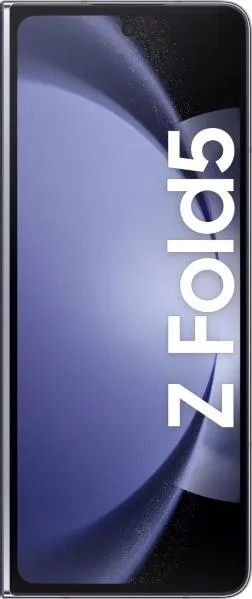
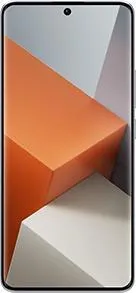
| Dimensions | Design | 154.9 x 129.9 x 6.1 mm (unfolded) | 161.4 x 74.2 x 8.9 mm | Fold5 is significantly wider and shorter when unfolded, thicker when folded. Pro+ is a more traditional, pocketable size. |
| Weight | Design | 253g | 199g | Fold5 is noticeably heavier, impacting one-handed use and pocket comfort. |
| Foldable | Design | Yes | No | Fold5 offers a larger screen real estate for multitasking and media consumption but with added bulk. Pro+ offers a standard smartphone experience. |
| Display Type | Display | Foldable Dynamic AMOLED 2X | AMOLED | Fold5's folding display allows for unique use cases like tablet-like multitasking and flexible viewing angles. |
| Display Size | Display | 7.6" (unfolded) | 6.67" | Fold5 offers a significantly larger screen area when unfolded, beneficial for productivity and media. Pro+ has a standard large screen size. |
| Resolution | Display | 1812 x 2176 | 1220 x 2712 | Both offer sharp displays. Pro+ has a slightly higher pixel density (446 ppi vs 373 ppi) resulting in slightly crisper text and images. |
| Refresh Rate | Display | 120Hz | 120Hz | Both offer smooth scrolling and animations. |
| Peak Brightness | Display | Not specified | 1800 nits | Pro+ boasts a significantly higher peak brightness, ensuring better visibility in direct sunlight. The lack of data for the Fold5 prevents a complete comparison. |
| Chipset | Performance | Snapdragon 8 Gen 2 | Dimensity 7200 Ultra | Both are powerful chipsets, but Snapdragon 8 Gen 2 generally offers better overall performance, especially in demanding tasks and gaming. |
| CPU | Performance | Octa-core (1x3.36 GHz Cortex-X3 & 2x2.8 GHz Cortex-A715 & 2x2.8 GHz Cortex-A710 & 3x2.0 GHz Cortex-A510) | Octa-core (2x2.8 GHz Cortex-A715 & 6x2.0 GHz Cortex-A510) | Fold5's CPU configuration suggests a performance advantage in demanding tasks and multitasking. |
| GPU | Performance | Adreno 740 | Mali-G610 MC4 | Adreno 740 generally provides a superior gaming experience compared to the Mali-G610 MC4. |
| RAM/Storage | Performance | 12GB/512GB, 12GB/1GB | 8GB/512GB, 12GB/256GB, 12GB/512GB | Both offer ample storage. RAM options are similar, with both offering configurations suitable for heavy multitasking. |
| Battery Capacity | Battery | 4400 mAh | 5000 mAh | Pro+ has a larger battery, potentially offering longer battery life. However, Fold5's larger display might consume more power. |
| Video Capabilities | Camera | Up to 8K@30fps | Up to 4K@30fps | Fold5 offers higher resolution video recording (8K vs 4K). |
2. Key Differences Analysis
Samsung Galaxy Z Fold5 Advantages:
- Larger, Foldable Display: Offers a unique, expansive screen for multitasking and media consumption.
- More Powerful Chipset: Provides a smoother experience, especially for demanding tasks and gaming.
- Higher Resolution Video Recording: Captures more detail in videos.
Xiaomi Redmi Note 13 Pro+ Advantages:
- Lighter and More Pocketable: Easier to carry and use with one hand.
- Larger Battery: Potentially longer battery life.
- Higher Peak Brightness: Better visibility in direct sunlight.
- Lower Price: Likely more affordable given the specifications.
Trade-offs:
- Fold5: Larger size and weight for the foldable screen and more powerful performance.
- Pro+: Less powerful chipset and lower resolution video recording for a more affordable price and standard form factor.
3. User Profiles & Recommendations
Fold5: Ideal for power users, multitaskers, and content creators who value a large, flexible screen and top-tier performance. Use cases include productivity on the go, immersive media consumption, and content creation.
Pro+: Suitable for users who prioritize a long-lasting battery, bright display, and a more traditional smartphone experience at a potentially lower price point. Use cases include everyday tasks, social media, web browsing, and casual gaming.
4. Decision Framework
Key Questions:
- How important is a foldable screen? Are you willing to compromise on size and weight for the unique benefits of a folding display?
- What is your budget? The Fold5 is likely significantly more expensive.
- What are your primary use cases? Do you need top-tier performance for demanding tasks or is a good balance of features sufficient?
Scenario-Based Recommendations:
- Power User with a Large Budget: Choose the Fold5.
- Budget-Conscious User Prioritizing Battery Life: Choose the Pro+.
- User Seeking a Balance of Features and Portability: Consider other options as the Fold5 is bulky and the Pro+ might lack the performance for some users.
My Choice: Xiaomi Redmi Note 13 Pro+
While the Samsung Galaxy Z Fold5 boasts cutting-edge technology with its foldable screen and powerful processor, the Xiaomi Redmi Note 13 Pro+ offers a more practical and balanced package for my personal needs. I prioritize a lightweight and pocketable phone with a long-lasting battery and a bright display for outdoor use. The Pro+'s 5000 mAh battery and 1800 nits peak brightness are compelling features that address these needs. Although the Dimensity 7200 Ultra is not as powerful as the Snapdragon 8 Gen 2, it should still provide ample performance for my everyday tasks and casual gaming. Lastly, the likely lower price of the Pro+ makes it a more attractive option considering the value it offers. The folding screen, while impressive, isn't a crucial feature for my usage, and I'm not willing to sacrifice portability and battery life for it.
