1. Specifications Comparison
| Feature | Samsung Galaxy Z Fold5 | Xiaomi Redmi Note 13 Pro 4G | Practical Impact |
|---|---|---|---|
| Design | |||
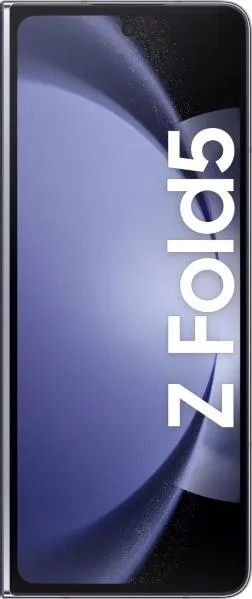
| Form Factor | Foldable | Standard Slab | Foldable design offers unique versatility for multitasking and content consumption, but introduces potential durability concerns and bulkier form factor. |
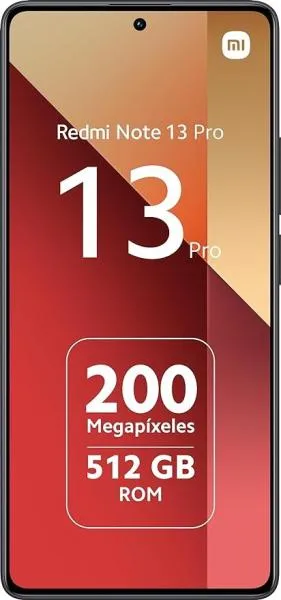
| Dimensions (mm) | 154.9 x 129.9 x 6.1 (folded) | 161.1 x 75 x 8 | Fold5 is significantly wider when unfolded and thicker when folded. Redmi Note 13 Pro is a more pocketable, traditional form factor. |
| Weight (g) | 253 | 188 | Fold5 is noticeably heavier, potentially impacting one-handed use. |
| Display | |||
| Display Size (inches) | 7.6 (main), Cover screen unspecified | 6.67 | Fold5 offers significantly larger screen real estate when unfolded for immersive experiences. Missing cover screen size limits comparison. |
| Display Type | Foldable Dynamic AMOLED 2X | AMOLED | Fold5's folding display technology allows for a larger screen in a pocketable device but introduces a crease and potential durability concerns. |
| Resolution | 1812 x 2176 | 1080 x 2400 | Fold5 boasts a sharper display due to higher resolution, particularly beneficial for detailed content. |
| Refresh Rate (Hz) | 120 | 120 | Both offer smooth scrolling and animations thanks to the 120Hz refresh rate. |
| Peak Brightness (nits) | Unspecified | 1300 | Redmi Note 13 Pro's higher peak brightness ensures better visibility outdoors. Missing Fold5 peak brightness limits comparison. |
| Performance | |||
| Chipset | Qualcomm Snapdragon 8 Gen 2 | Mediatek Helio G99 Ultra | Snapdragon 8 Gen 2 significantly outperforms Helio G99 in terms of raw processing power, enabling smoother multitasking, faster app loading, and better gaming performance. |
| CPU | Octa-core (1x3.36 GHz Cortex-X3 & ...) | Octa-core (2x2.2 GHz Cortex-A76 & ...) | Fold5's CPU architecture and clock speeds offer superior performance across demanding tasks. |
| GPU | Adreno 740 | Mali-G57 MC2 | Adreno 740 provides significantly better graphics performance, crucial for gaming and graphically intensive applications. |
| RAM/Storage | 12GB/512GB, 12GB/1000GB | 8GB/256GB, 12GB/512GB | Fold5 offers a 1TB storage option, catering to users with high storage demands. |
| Camera | |||
| Video Capabilities | 8K@30fps, 4K@60fps... | 1080p@30/60fps | Fold5 offers superior video recording capabilities, including higher resolution and frame rates, along with features like HDR and EIS. Specific camera sensor details are missing for both, limiting a comprehensive comparison. |
| Battery | |||
| Capacity (mAh) | 4400 | 5000 | Redmi Note 13 Pro offers a larger battery capacity, potentially translating to longer battery life. Fold5's power consumption might be higher due to the larger, more demanding display. |
2. Key Differences Analysis
Samsung Galaxy Z Fold5 Advantages:
- Foldable Form Factor: Unique versatility for multitasking, content consumption, and portability.
- Superior Performance: Significantly more powerful processor and GPU for demanding tasks and gaming.
- Sharper Display: Higher resolution main display for detailed content.
- Advanced Video Recording: Higher resolution and frame rate capabilities.
Xiaomi Redmi Note 13 Pro 4G Advantages:
- Longer Battery Life (Potential): Larger battery capacity.
- Lower Price (Likely): Based on historical pricing trends for these brands.
- Higher Peak Brightness: Better outdoor visibility.
- Lighter and Thinner: Easier to handle and carry.
3. User Profiles & Recommendations
Fold5 Ideal User: Power users, multitaskers, content creators who value a large, high-quality display and top-tier performance and are willing to pay a premium for the foldable form factor.
Redmi Note 13 Pro 4G Ideal User: Budget-conscious users seeking a reliable phone with a good display, long battery life, and solid performance for everyday tasks.
4. Decision Framework
Key Questions:
- Is a foldable form factor essential?
- What is your budget?
- What are your primary use cases (gaming, content creation, everyday use)?
Scenario-Based Recommendations:
- Prioritize Productivity & Premium Experience: Choose the Fold5.
- Prioritize Battery Life and Affordability: Choose the Redmi Note 13 Pro 4G.
My Choice: Samsung Galaxy Z Fold5
While the Redmi Note 13 Pro 4G presents a compelling value proposition, I would choose the Samsung Galaxy Z Fold5. The foldable form factor is a game-changer for my workflow, enabling seamless multitasking and a truly immersive content consumption experience. The significantly superior performance of the Snapdragon 8 Gen 2, coupled with the sharper display, makes the Fold5 a more future-proof device. I am willing to compromise on battery life and cost for the unique advantages offered by the Fold5. The ability to have a tablet-sized screen in my pocket outweighs the benefits of the Redmi Note 13 Pro 4G for my specific needs.
