1. Specifications Comparison
| Feature | Samsung Galaxy Z Fold5 | Xiaomi Redmi Note 13 Pro | Practical Impact |
|---|---|---|---|
| Design | |||
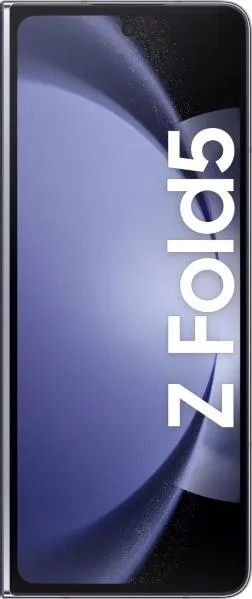
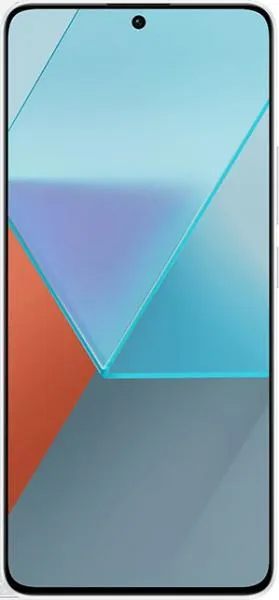
| Form Factor | Foldable | Standard Slab | Foldable design offers unique multitasking and portability but introduces durability concerns and higher cost. |
| Dimensions (mm) | 154.9 x 129.9 x 6.1 (folded) | 161.2 x 74.2 x 8 | Fold5 is significantly more compact when folded but thicker. Redmi Note 13 Pro is thinner and lighter for one-handed use. |
| Weight (g) | 253 | 187 | Noticeable difference in weight; Fold5 feels heavier in pocket/hand. |
| Display | |||
| Size (inches) | 7.6 (main), Cover screen size not specified | 6.67 | Significantly larger main display on Fold5 for immersive content consumption and multitasking. Lack of cover screen size data for Fold5 hinders full comparison. |
| Type | Foldable Dynamic AMOLED 2X | AMOLED | Fold5's foldable display offers unique functionality, but crease visibility and potential durability issues are concerns. |
| Resolution | 1812 x 2176 | 1220 x 2712 | Both offer sharp visuals; Fold5 prioritizes a more square aspect ratio optimized for multitasking, while Redmi Note 13 Pro has a taller aspect ratio, better for scrolling. |
| Refresh Rate (Hz) | 120 | 120 | Both offer smooth scrolling and animations. |
| Peak Brightness (nits) | Not specified | 1800 | Redmi Note 13 Pro offers superior outdoor visibility with much higher peak brightness. Missing data for Fold5 prevents definitive comparison. |
| Performance | |||
| Chipset | Snapdragon 8 Gen 2 | Snapdragon 7s Gen 2 | Fold5 boasts significantly more powerful CPU and GPU, resulting in smoother performance in demanding tasks and gaming. |
| CPU | Octa-core (1x3.36 GHz Cortex-X3 & 2x2.8 GHz Cortex-A715 & 2x2.8 GHz Cortex-A710 & 3x2.0 GHz Cortex-A510) | Octa-core (4x2.40 GHz Cortex-A78 & 4x1.95 GHz Cortex-A55) | Fold5's superior CPU architecture provides significantly better performance for demanding applications and multitasking. |
| GPU | Adreno 740 | Adreno 710 | Fold5 provides a more powerful graphical processing unit, translating to better gaming performance and smoother handling of graphically intensive tasks. |
| RAM/Storage | 12GB/512GB, 12GB/1000GB | 8GB/256GB, 12GB/256GB, 12GB/512GB | Both offer ample storage and RAM options. Fold5 offers a 1TB storage option for users needing maximum space. |
| Battery | |||
| Capacity (mAh) | 4400 | 5100 | Redmi Note 13 Pro offers a larger battery capacity, potentially resulting in longer battery life. Fold5's power consumption might be higher due to the larger, more demanding display. |
| Camera | |||
| Video Capabilities | 8K@30fps, 4K@60fps | 4K@30fps | Fold5 offers significantly better video recording capabilities, including higher resolution (8K) and frame rates. Detailed camera sensor specifications are missing, limiting a comprehensive comparison. |
2. Key Differences Analysis
Samsung Galaxy Z Fold5 Advantages:
- Unique Foldable Design: Offers unparalleled multitasking capabilities and a compact folded size.
- Superior Performance: Snapdragon 8 Gen 2 delivers significantly better performance for demanding tasks and gaming.
- Higher Resolution Display: Sharper visuals on the main display and better for split-screen multitasking.
- Advanced Video Recording: Supports 8K recording and higher frame rates for superior video quality.
Xiaomi Redmi Note 13 Pro Advantages:
- Larger Battery Capacity: Potentially longer battery life.
- Lighter and Thinner: More comfortable for one-handed use and pocket portability.
- Brighter Display: Better visibility in bright sunlight.
- Lower Price (Inferred): While price ranges are both "medium," foldable phones generally command a premium.
3. User Profiles & Recommendations
Samsung Galaxy Z Fold5: Ideal for power users, multitaskers, content creators, and those who value a unique, innovative device. Use cases include split-screen work, immersive media consumption, and on-the-go content creation.
Xiaomi Redmi Note 13 Pro: Suitable for users prioritizing battery life, a slim and lightweight design, and a bright display. Excellent for everyday tasks, media consumption, and casual gaming. Price-conscious users will likely find this more appealing.
4. Decision Framework
Key Questions for Buyers:
- How important is portability versus screen real estate? Fold5 prioritizes portability when folded but offers a large screen when unfolded. Redmi Note 13 Pro offers a large screen but less portability.
- What is your budget and performance requirement? Fold5 is a premium device with top-tier performance. Redmi Note 13 Pro balances performance and affordability.
- Do you value the unique features of a foldable phone? Fold5's foldable design enables unique use cases, but comes with potential durability concerns and a higher price.
My Choice: Xiaomi Redmi Note 13 Pro
While the Samsung Galaxy Z Fold5 is undoubtedly innovative and powerful, the Xiaomi Redmi Note 13 Pro better suits my needs and priorities. As a smartphone analyst, I value performance, but the Snapdragon 7s Gen 2 is powerful enough for my daily workflow. The Redmi Note 13 Pro's larger battery, brighter display, and lighter weight are crucial for my on-the-go usage. The significantly lower expected price (considering foldable phone premiums) makes it a more compelling value proposition. While I appreciate the Fold5's unique features, I prioritize practicality, battery life, and a comfortable in-hand experience for everyday use. The potential durability concerns and crease of the foldable screen are also deterrents. For my use case, the Redmi Note 13 Pro strikes a better balance between performance, features, and price.
