1. Specifications Comparison
| Feature | Samsung Galaxy Z Fold5 | Xiaomi Redmi Note 13 | Practical Impact |
|---|---|---|---|
| Design | |||
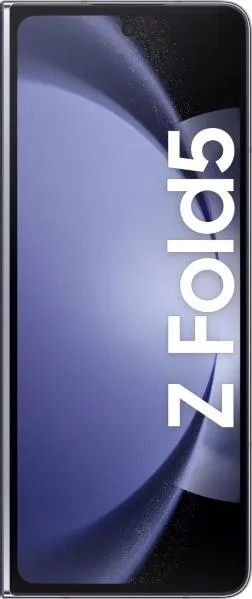
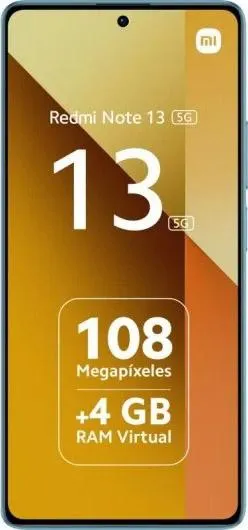
| Dimensions | 154.9 x 129.9 x 6.1 mm (folded) | 161.1 x 75 x 7.6 mm | Fold5 is significantly more compact when folded, offering superior portability; Note 13 is a traditional slab design. |
| Weight | 253g | 174.5g | Fold5 is noticeably heavier due to its folding mechanism. |
| Foldable | Yes | No | Fold5 offers a larger screen in a pocketable device, transforming user experience with multitasking and media consumption. |
| Display | |||
| Size | 7.6" (unfolded), Cover Screen: Unspecified | 6.67" | Fold5 provides a tablet-like experience when unfolded, while Note 13 has a standard large screen size. Missing cover screen size for Fold5 limits comparison. |
| Type | Foldable Dynamic AMOLED 2X | AMOLED | Fold5's foldable display allows for unique usage scenarios and a larger screen real estate. |
| Resolution | 1812 x 2176 | 1080 x 2400 | Fold5 offers a sharper display due to higher resolution, resulting in crisper text and images. |
| Refresh Rate | 120Hz | 120Hz | Both phones provide smooth scrolling and animations thanks to the high refresh rate. |
| Peak Brightness | Not specified | 1000 nits | Note 13's specified peak brightness ensures better visibility in direct sunlight. Fold5's unspecified value limits comparison. |
| Performance | |||
| Chipset | Snapdragon 8 Gen 2 (4nm) | Mediatek Dimensity 6080 (6nm) | Fold5 boasts a significantly more powerful processor, translating to smoother performance in demanding tasks and gaming. |
| CPU | Octa-core (1x3.36 GHz Cortex-X3 & 2x2.8 GHz Cortex-A715 & 2x2.8 GHz Cortex-A710 & 3x2.0 GHz Cortex-A510) | Octa-core (2x2.4 GHz Cortex-A76 & 6x2.0 GHz Cortex-A55) | Fold5's CPU architecture and clock speeds indicate a substantial performance advantage over the Note 13. |
| GPU | Adreno 740 | Mali-G57 MC2 | Fold5 will likely offer superior graphics performance for gaming and visually demanding applications. |
| RAM/Storage | 12GB/512GB, 12GB/1GB | 8GB/256GB, 12GB/256GB | Fold5 offers more RAM in its base configuration, beneficial for multitasking; both have ample storage options. |
| Battery | |||
| Capacity | 4400 mAh | 5000 mAh | Note 13 has a larger battery capacity, potentially offering longer battery life. Fold5's power consumption with the large, foldable display is a key factor not determined by capacity alone. |
| Camera | |||
| Video Capabilities | 8K@30fps, 4K@60fps, and more | 1080p@30fps | Fold5 offers significantly superior video recording capabilities, including higher resolution and frame rates. Detailed camera sensor specs are missing for comprehensive comparison. |
2. Key Differences Analysis
Samsung Galaxy Z Fold5 Advantages:
- Foldable Form Factor: Transforms user experience with a larger inner display for productivity and media consumption.
- Significantly More Powerful: Superior chipset, CPU, and GPU deliver a smoother, faster experience.
- Superior Video Recording: Wider range of resolutions and frame rates for high-quality video content.
Xiaomi Redmi Note 13 Advantages:
- Lower Price: Expected given the "low price" designation.
- Larger Battery Capacity: Potentially longer battery life.
- Lighter Weight: More comfortable for extended use in one hand.
3. User Profiles & Recommendations
Samsung Galaxy Z Fold5: Ideal for power users, multitaskers, content creators, and those who value a unique, innovative mobile experience. Excellent for productivity on the go, immersive media consumption, and showcasing cutting-edge technology.
Xiaomi Redmi Note 13: Suitable for budget-conscious users who prioritize battery life and a large screen for everyday tasks. Excellent for social media, web browsing, and casual gaming.
4. Decision Framework
Key Questions for Buyers:
- Budget: Are you willing to pay a premium for the foldable technology and superior performance of the Fold5?
- Usage: Do you prioritize multitasking, productivity, and immersive media consumption, or are your needs more basic?
- Form Factor: Do you value portability and a unique foldable design, or prefer a traditional smartphone experience?
My Choice: Samsung Galaxy Z Fold5
While the Redmi Note 13 offers excellent value for its price, I would choose the Samsung Galaxy Z Fold5. The foldable form factor is a game-changer for productivity and media consumption, offering a truly unique mobile experience. The significantly more powerful processor ensures a smooth and responsive experience, future-proofing the device for demanding tasks and applications. While the higher price and potentially shorter battery life are considerations, the innovative design and performance advantages of the Fold5 outweigh these drawbacks for my personal needs. I value the ability to have a tablet-like experience in a pocketable device, making the Fold5 a more compelling choice despite the premium.
