1. Specifications Comparison
| Feature | Samsung Galaxy Z Fold5 | Xiaomi Redmi 14C | Practical Impact |
|---|---|---|---|
| Design | |||
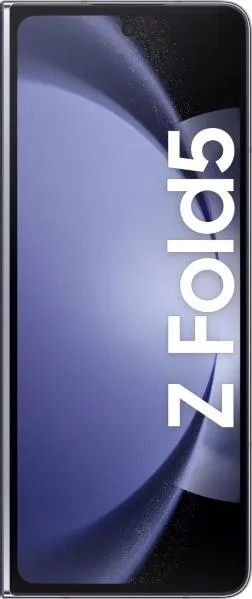
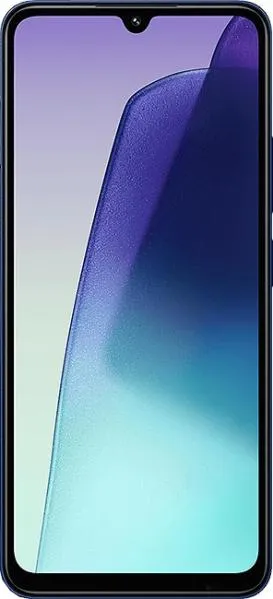
| Dimensions | 154.9 x 129.9 x 6.1 mm | 171.9 x 77.8 x 8.2 mm | Fold5 is significantly more compact when folded, but wider and thicker when unfolded. Redmi 14C is a traditional slab design, larger overall. Portability and one-handed use are key differentiators. |
| Weight | 253g | 211g | Fold5 is noticeably heavier. Redmi 14C offers a lighter, more traditional feel. |
| Foldable | Yes | No | Fold5's folding screen allows for a larger display in a pocketable device, transforming usage scenarios. Redmi 14C offers a standard smartphone experience. |
| Display | |||
| Size | 7.6" | 6.88" | Fold5 offers significantly more screen real estate when unfolded, beneficial for multitasking and media consumption. Redmi 14C has a large display for a traditional phone, but smaller overall. |
| Type | Foldable Dynamic AMOLED 2X | IPS LCD | Fold5's AMOLED provides richer colors, deeper blacks, and better power efficiency. Its foldable nature allows for unique usage modes. Redmi 14C's LCD is less vibrant and has narrower viewing angles. |
| Resolution | 1812 x 2176 | 720 x 1640 | Fold5 offers much sharper visuals due to higher resolution. Redmi 14C's resolution is lower, resulting in less detail. |
| Refresh Rate | 120Hz | 120Hz | Both offer smooth scrolling and animations. |
| Performance | |||
| Chipset | Snapdragon 8 Gen 2 | Helio G81 Ultra | Fold5 boasts a flagship-level processor, ensuring significantly faster performance, smoother multitasking, and better gaming capabilities. Redmi 14C offers decent performance for everyday tasks. |
| CPU | Octa-core (1x3.36 GHz Cortex-X3 & 2x2.8 GHz Cortex-A715 & 2x2.8 GHz Cortex-A710 & 3x2.0 GHz Cortex-A510) | Octa-core (2x2.0 GHz Cortex-A75 & 6x1.8 GHz Cortex-A55) | Fold5's CPU is significantly more powerful, handling demanding tasks with ease. Redmi 14C's CPU is suitable for basic usage but may struggle with intensive applications. |
| GPU | Adreno 740 | Mali-G52 MC2 | Fold5's GPU provides a superior gaming and graphics rendering experience. Redmi 14C's GPU is less powerful, limiting gaming performance. |
| Camera | Information about camera specifications is missing, hindering a detailed comparison. | ||
| Battery | |||
| Capacity | 4400 mAh | 5160 mAh | Redmi 14C has a larger battery capacity, potentially offering longer battery life. Fold5's smaller battery needs to power a more demanding display and processor. |
2. Key Differences Analysis
Samsung Galaxy Z Fold5 Advantages:
- Foldable Design: Unique form factor enabling dual-screen productivity and immersive media consumption.
- Superior Performance: Flagship chipset delivers unmatched speed and responsiveness.
- High-Resolution Display: Crisp and vibrant visuals enhance user experience.
Xiaomi Redmi 14C Advantages:
- Longer Battery Life: Larger battery capacity potentially translates to extended usage time.
- Lighter Weight: More comfortable for extended use and one-handed operation.
- Lower Price: Expected to be significantly more affordable. (Both are listed as "medium price," but realistically, the Fold5 is a premium device)
3. User Profiles & Recommendations
Samsung Galaxy Z Fold5: Ideal for power users, multitaskers, content creators, and those seeking a cutting-edge device. Excellent for productivity on the go, watching videos, and gaming.
Xiaomi Redmi 14C: Suitable for budget-conscious users prioritizing basic functionality, long battery life, and a large display for media consumption. Good for everyday tasks like browsing, social media, and casual gaming.
4. Decision Framework
Key Questions for Buyers:
- Budget: Are you willing to pay a premium for the innovative foldable design and superior performance of the Fold5?
- Usage: Do you need a device for demanding tasks and multitasking, or primarily for basic communication and entertainment?
- Form Factor: Do you prioritize portability and a unique user experience, or a traditional smartphone design with a large screen?
My Choice: Samsung Galaxy Z Fold5
While the Redmi 14C offers excellent value for its price, the Galaxy Z Fold5's innovative foldable design and vastly superior performance are compelling. The larger, high-resolution display significantly enhances productivity and media consumption, making it a worthwhile investment for my needs. I value the power and flexibility offered by the Fold5, and am willing to compromise on battery life and weight for the unique form factor and flagship performance. The Snapdragon 8 Gen 2 will provide a smooth and responsive experience for years to come, making it a more future-proof choice. While lacking camera details limits a complete assessment, the overall package of the Fold5 is clearly superior for a power user.
