1. Specifications Comparison
| Feature | Samsung Galaxy Z Fold5 | Xiaomi Redmi 13C | Practical Impact |
|---|---|---|---|
| Design | |||
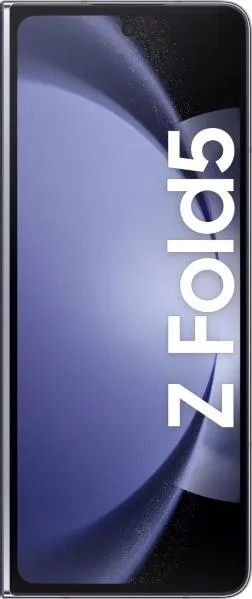
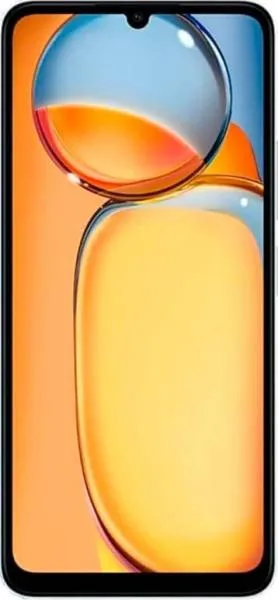
| Dimensions | 154.9 x 129.9 x 6.1 mm (folded) | 168 x 78 x 8.1 mm | Fold5 significantly more compact when folded, but larger unfolded. Redmi 13C is a standard candybar design. Portability vs. screen real estate trade-off. |
| Weight | 253g | 192g | Fold5 noticeably heavier due to folding mechanism and larger display. |
| Foldable | Yes | No | Fold5 offers a larger inner display for multitasking and media consumption, transforming into a more pocketable size when folded. |
| Build | Missing | Missing | Material differences can impact durability and premium feel. Lack of information limits comparison. |
| Display | |||
| Display Type | Foldable Dynamic AMOLED 2X | IPS LCD | Fold5 provides significantly better contrast, color accuracy, and viewing angles due to AMOLED technology. |
| Size | 7.6" (unfolded), Cover Screen: Missing | 6.74" | Fold5 offers a much larger main display for productivity and immersive experiences. Missing cover screen size for Fold5 limits comparison of external usability. |
| Resolution | 1812 x 2176 | 720 x 1600 | Fold5 boasts much sharper image quality due to higher resolution. |
| Refresh Rate | 120Hz | 90Hz | Fold5 offers smoother animations and scrolling. Noticeable, but not a dramatic difference for average users. |
| Performance | |||
| Chipset | Snapdragon 8 Gen 2 | Helio G85 | Fold5 dramatically outperforms in processing power, enabling demanding gaming, multitasking, and faster app loading. |
| CPU | Octa-core (1x3.36 GHz Cortex-X3 & 2x2.8 GHz Cortex-A715 & 2x2.8 GHz Cortex-A710 & 3x2.0 GHz Cortex-A510) | Octa-core (2x2.0 GHz Cortex-A75 & 6x1.8 GHz Cortex-A55) | Fold5's CPU architecture offers superior performance and efficiency. |
| GPU | Adreno 740 | Mali-G52 MC2 | Fold5 provides a significantly more powerful GPU, crucial for high-end gaming and graphics-intensive tasks. |
| RAM/Storage | 12GB/512GB, 12GB/1000GB | 6GB/128GB, 8GB/256GB | Fold5 provides substantially more RAM and storage, allowing for seamless multitasking and ample space for apps and files. |
| Camera | |||
| Rear Camera | Missing | Missing | Camera specifications are crucial but missing, hindering a comprehensive comparison. |
| Video | 8K@30fps, 4K@60fps | 1080p@30fps | Fold5 capable of significantly higher resolution video recording. |
| Battery | |||
| Capacity | 4400 mAh | 5000 mAh | Redmi 13C has a larger battery capacity, but Fold5's more efficient processor could potentially offset this in real-world usage. |
2. Key Differences Analysis
Samsung Galaxy Z Fold5 Advantages:
- Superior Performance: Significantly more powerful processor and GPU for demanding tasks and gaming.
- Folding Form Factor: Offers both a large tablet-like screen and a pocketable size.
- High-Quality Display: AMOLED technology provides vibrant colors, deep blacks, and high refresh rate.
- More RAM and Storage: Enables seamless multitasking and ample storage space.
Xiaomi Redmi 13C Advantages:
- Lower Price: Positioned in the low price range, offering greater affordability.
- Larger Battery Capacity: Potentially longer battery life, though real-world usage depends on other factors.
- Lighter Weight: More comfortable for extended use in one hand.
3. User Profiles & Recommendations
Samsung Galaxy Z Fold5: Ideal for power users, multitaskers, content creators, and those who value a large, high-quality display for media consumption and productivity on the go.
Xiaomi Redmi 13C: Suitable for budget-conscious users, casual users primarily focused on basic tasks like communication, web browsing, and light media consumption. Good for those prioritizing battery life and affordability.
4. Decision Framework
Key Questions:
- What is your budget? The Fold5 is a premium device, while the Redmi 13C is significantly more affordable.
- What is your primary use case? Demanding tasks and multimedia consumption favor the Fold5. Basic communication and web browsing are well-suited for the Redmi 13C.
- How important is portability and screen size? The Fold5 offers a unique folding form factor with a large inner display, while the Redmi 13C is a more traditional, lighter device.
My Choice: Samsung Galaxy Z Fold5
While significantly more expensive, the Samsung Galaxy Z Fold5 aligns better with my personal needs and priorities. The foldable form factor offers a compelling combination of portability and productivity. The superior performance, stunning display, and ample RAM/storage are essential for my workflow, which involves heavy multitasking, content creation, and on-the-go media consumption. The Redmi 13C, while offering excellent value for its price, doesn't provide the power and flexibility I require. I am willing to invest in the premium features and innovative design of the Fold5.
