1. Specifications Comparison
| Feature | Category | Samsung Galaxy Z Fold5 | Xiaomi Redmi 13 | Practical Impact |
|---|---|---|---|---|
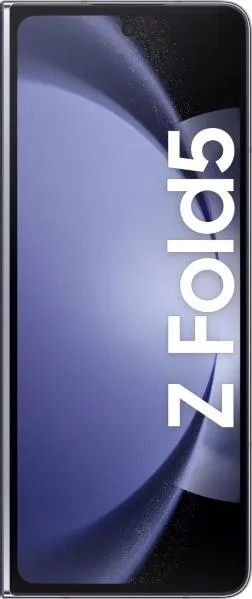
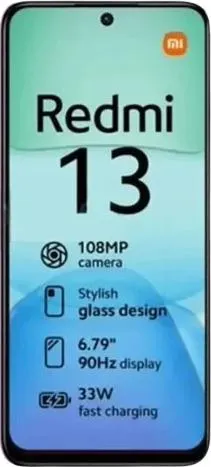
| Dimensions | Design | 154.9 x 129.9 x 6.1 mm (folded) | 168.6 x 76.3 x 8.3 mm | Fold5 is significantly more compact when folded, but thicker. Redmi 13 is a standard "slab" phone. Fold5's foldability offers portability but added thickness. |
| Weight | Design | 253g | 205g | Fold5 is noticeably heavier, potentially impacting one-handed use. |
| Build | Design | Foldable glass and aluminum frame | Likely plastic frame (unspecified) | Fold5 offers a more premium build and feel, though potentially more fragile due to the folding mechanism. Redmi 13 prioritizes affordability. |
| Display Type | Display | Foldable Dynamic AMOLED 2X | IPS LCD | Fold5 delivers significantly better contrast, colors, and viewing angles. |
| Display Size | Display | 7.6" (main), Cover screen unspecified | 6.79" | Fold5 offers a significantly larger main display for multitasking and media consumption, but the cover screen size is unknown. Redmi 13 provides a large display for its price range. |
| Resolution | Display | 1812 x 2176 (main) | 1080 x 2460 | Fold5's main display offers higher pixel density (373 ppi vs 396 ppi), resulting in sharper images, especially noticeable when using the tablet-like unfolded mode. |
| Refresh Rate | Display | 120Hz | 90Hz | Fold5 provides smoother scrolling and animations, enhancing the overall user experience. |
| Chipset | Performance | Snapdragon 8 Gen 2 | MediaTek Helio G91 Ultra | Fold5 boasts a flagship-level processor, offering significantly faster performance and better power efficiency for demanding tasks and gaming. |
| CPU | Performance | Octa-core (up to 3.36 GHz) | Octa-core (up to 2.0 GHz) | Fold5 provides much stronger CPU performance, enabling faster app loading, multitasking, and smoother operation under heavy load. |
| GPU | Performance | Adreno 740 | Mali-G52 MC2 | Fold5's GPU significantly outperforms the Redmi 13, delivering a superior gaming experience and smoother graphics rendering. |
| RAM | Performance | 12GB | 8GB | Fold5's higher RAM allows for more apps to run in the background without performance slowdown, improving multitasking capabilities. |
| Storage | Performance | 512GB/1000GB | 256GB | Fold5 offers larger storage options for users with extensive media libraries and app collections. |
| Battery Capacity | Battery | 4400 mAh | 5030 mAh | Redmi 13 offers a larger battery capacity, potentially translating to longer battery life. Fold5's higher-powered components and larger display might consume more power. |
| OS | Software | Android 13, upgradable to 17 | Android 14 | Both phones run on relatively recent Android versions. Fold5's confirmed upgrade path to Android 17 offers longer software support. |
| Camera | Camera | Specifications missing | 1080p@30fps video | Cannot compare camera quality and features due to missing Fold5 camera specifications. Redmi 13 offers basic video recording. |
| Price | Value | Medium | Low | Fold5 is significantly more expensive due to its foldable technology and premium features. Redmi 13 prioritizes affordability. |
2. Key Differences Analysis
Samsung Galaxy Z Fold5 Advantages:
- Foldable Design: Offers unique portability and a larger screen for productivity and media consumption.
- Superior Display: Dynamic AMOLED 2X with 120Hz delivers vibrant colors, deep blacks, and smooth visuals.
- Flagship Performance: Snapdragon 8 Gen 2 provides significantly faster processing power and graphics capabilities.
- Premium Build: More durable and premium materials.
Xiaomi Redmi 13 Advantages:
- Lower Price: Significantly more affordable.
- Larger Battery: Potentially longer battery life.
- Lighter Weight: More comfortable for extended use.
Trade-offs:
- Fold5: Higher price, heavier, potentially more fragile due to the folding screen.
- Redmi 13: Lower performance, less premium display and build quality, limited camera capabilities (based on available information).
3. User Profiles & Recommendations
Fold5 Ideal User: Power users, multitaskers, content creators, and those seeking a cutting-edge device with a unique form factor. Use cases: Multitasking, media consumption, productivity on the go, showcasing innovative technology.
Redmi 13 Ideal User: Budget-conscious users, casual users who prioritize basic functionality and long battery life. Use cases: Everyday communication, web browsing, social media, light gaming.
4. Decision Framework
Key Questions:
- What is your budget? The Fold5 is a premium device with a significantly higher price tag.
- What is your primary use case? Fold5 excels in multitasking and media consumption; Redmi 13 is suitable for basic tasks.
- How important is portability and form factor? The Fold5's foldable design offers unique portability but added thickness.
Scenario-based Recommendations:
- Limited budget, basic needs: Redmi 13
- Power user, demanding tasks, willing to pay a premium: Fold5
- Desire for a unique, innovative device, prioritizing portability and large screen: Fold5
My Choice: Samsung Galaxy Z Fold5
While significantly more expensive, the Fold5's innovative foldable design, superior display, and flagship-level performance are compelling. The ability to seamlessly switch between a phone and a mini-tablet enhances productivity and media consumption in a way that a traditional smartphone cannot replicate. The longer software update commitment also ensures a longer lifespan for the device. While battery life might be a concern, the trade-off for the increased functionality and performance is worthwhile for my usage pattern. The Redmi 13 is a solid budget option, but it doesn't offer the same level of innovation or performance that I prioritize.
