1. Specifications Comparison
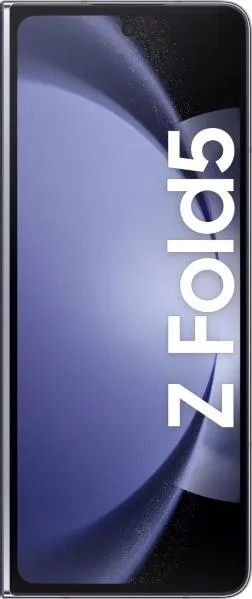
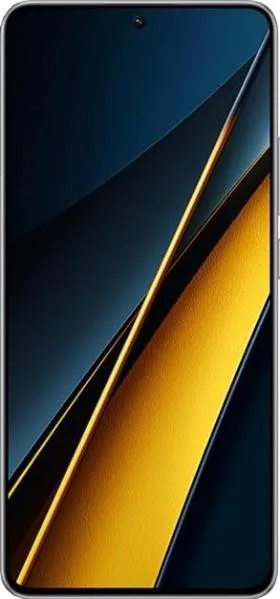
| Feature | Samsung Galaxy Z Fold5 | Xiaomi Poco X6 Pro | Practical Impact |
|---|---|---|---|
| Design | |||
| Dimensions | 154.9 x 129.9 x 6.1 mm (folded) | 160.5 x 74.3 x 8.3 mm | Fold5 is significantly more compact when folded, but thicker and potentially less comfortable in a pocket when unfolded. Poco X6 Pro offers a traditional, slimmer design. |
| Weight | 253g | 186g | Fold5 is noticeably heavier, potentially impacting one-handed use and portability. |
| Foldable | Yes | No | Fold5 offers a larger screen real estate for multitasking and media consumption in a pocketable device. Poco X6 Pro offers a traditional smartphone form factor. |
| Display | |||
| Display Type | Foldable Dynamic AMOLED 2X | AMOLED | Fold5's foldable display allows for a larger screen when unfolded, offering a tablet-like experience. |
| Size | 7.6" (unfolded) | 6.67" | Fold5 provides significantly more screen real estate when unfolded. |
| Resolution | 1812 x 2176 | 1220 x 2712 | Both offer high resolution, resulting in sharp images and text. Poco X6 Pro boasts a slightly higher pixel density due to a smaller screen size. |
| Refresh Rate | 120Hz | 120Hz | Both offer smooth scrolling and animations, enhancing the overall user experience. |
| Peak Brightness | Not specified | 1800 nits | Poco X6 Pro's superior peak brightness ensures better visibility in direct sunlight. The lack of data for the Fold5 prevents a direct comparison in this area. |
| Performance | |||
| Chipset | Snapdragon 8 Gen 2 | Dimensity 8300 Ultra | Both chipsets offer high performance, but benchmarks would be needed for precise comparison. |
| CPU | Octa-core (1x3.36 GHz Cortex-X3 & 2x2.8 GHz Cortex-A715 & 2x2.8 GHz Cortex-A710 & 3x2.0 GHz Cortex-A510) | Octa-core (1x3.35 GHz Cortex-A715 & 3x3.20 GHz Cortex-A715 & 4x2.20 GHz Cortex-A510) | Both are powerful CPUs, but architectural differences make direct comparison difficult without benchmarks. |
| GPU | Adreno 740 | Mali G615-MC6 | Adreno 740 generally offers better gaming performance compared to Mali G615-MC6. |
| RAM | 12GB | 12GB | Both have ample RAM for multitasking and smooth performance. |
| Battery | |||
| Capacity | 4400 mAh | 5000 mAh | Poco X6 Pro offers a larger battery capacity, potentially leading to longer battery life. |
| Other | |||
| OS | Android 13 | Android 14 | Poco X6 Pro ships with a newer Android version, offering potential features and security updates. |
| Price Range | Medium | Medium | Direct price comparison is needed as "medium" can vary across regions and retailers. |
2. Key Differences Analysis
Samsung Galaxy Z Fold5 Advantages:
- Foldable Design: The unique folding design offers a larger screen in a pocketable device, enhancing productivity and media consumption.
- Superior GPU: The Adreno 740 GPU generally provides a better gaming and graphics-intensive task experience.
Xiaomi Poco X6 Pro Advantages:
- Larger Battery: The 5000 mAh battery likely translates to longer usage time between charges.
- Lighter and Slimmer (when unfolded): More comfortable for one-handed use and pocket portability.
- Brighter Display: Offers superior visibility outdoors.
- Newer OS: Ships with the latest Android version.
- Under-display Fingerprint Sensor Potentially a more modern and sleek implementation compared to the side-mounted sensor on the Fold5.
3. User Profiles & Recommendations
Samsung Galaxy Z Fold5: Ideal for users who prioritize a large screen for multitasking, media consumption, and on-the-go productivity, and are willing to compromise on weight and battery life. Use cases include:
- Business Professionals: Utilizing multiple apps simultaneously for enhanced productivity.
- Content Creators: Editing photos and videos on a larger screen.
- Avid Readers/Media Consumers: Enjoying immersive experiences on a tablet-like display.
Xiaomi Poco X6 Pro: Suitable for users who prefer a traditional smartphone experience with long battery life, a bright display, and the latest software, prioritizing value for money. Use cases include:
- Everyday Users: Seeking a reliable and affordable phone with good performance.
- Gamers (on a budget): While not the absolute best gaming phone, it offers decent performance for casual gaming.
- Users who consume a lot of media outdoors: The bright display ensures good visibility in direct sunlight.
4. Decision Framework
Key Questions for Buyers:
- Form Factor: Do you prioritize a large, foldable screen or a traditional smartphone design?
- Battery Life: Is all-day battery life crucial, or are you comfortable charging more frequently?
- Budget: What is your spending limit, and which phone offers the best value within that range?
My Choice: Xiaomi Poco X6 Pro
While the Fold5's folding technology is intriguing, the Poco X6 Pro better suits my personal needs and priorities. I value a lighter and slimmer phone with long battery life for everyday use. The brighter display is crucial for outdoor visibility, and the newer OS ensures longer software support. While I appreciate the Fold5's larger screen for media consumption, it comes with compromises in weight, battery, and potentially price that outweigh the benefits for me personally. The under-display fingerprint sensor is also a preference of mine. Ultimately, the Poco X6 Pro appears to be a more practical and well-rounded device for my typical usage scenarios.
