1. Specifications Comparison
| Feature | Samsung Galaxy Z Fold5 | Xiaomi Poco M6 Pro | Practical Impact |
|---|---|---|---|
| Design | |||
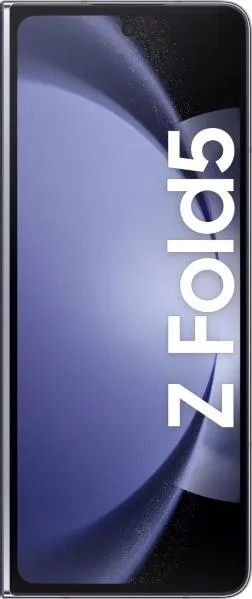
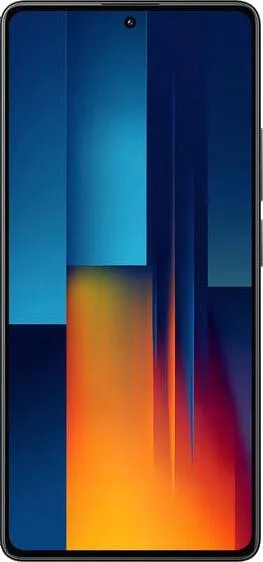
| Dimensions | 154.9 x 129.9 x 6.1 mm (folded) | 161.1 x 75 x 8 mm | Fold5 is significantly wider when folded but offers a larger screen real estate due to its foldable nature. Poco M6 Pro is a standard candybar design, more pocketable. |
| Weight | 253 g | 179 g | Fold5 is noticeably heavier, impacting one-hand usage. Poco M6 Pro is lighter and easier to handle. |
| Foldable | Yes | No | Fold5 offers a unique, flexible form factor with a larger inner display for multitasking and media consumption. |
| Display | |||
| Size | 7.6" (main), Cover screen unspecified | 6.67" | Fold5's larger main display provides an immersive experience. Missing cover screen specs limit comparison. |
| Type | Foldable Dynamic AMOLED 2X | AMOLED | Fold5's foldable display allows for unique usage scenarios. Both offer vibrant colors and deep blacks. |
| Resolution | 1812 x 2176 | 1080 x 2400 | Fold5 has a sharper display due to higher resolution and pixel density, resulting in crisper text and images. |
| Refresh Rate | 120 Hz | 120 Hz | Both offer smooth scrolling and animations. |
| Peak Brightness | Unspecified | 1300 nits | Poco M6 Pro's higher peak brightness ensures better visibility outdoors. Missing Fold5 data limits comparison. |
| Performance | |||
| Chipset | Snapdragon 8 Gen 2 (4 nm) | Mediatek Helio G99 Ultra | Fold5 boasts a significantly more powerful chipset, leading to superior performance in demanding tasks and gaming. |
| CPU | Octa-core (1x3.36 GHz Cortex-X3 & 2x2.8 GHz Cortex-A715 & 2x2.8 GHz Cortex-A710 & 3x2.0 GHz Cortex-A510) | Octa-core (2x2.2 GHz Cortex-A76 & 6x2.0 GHz Cortex-A55) | Fold5's CPU architecture and clock speeds offer a substantial performance advantage. |
| GPU | Adreno 740 | Mali-G57 MC2 | Fold5's GPU provides a much better gaming and graphics rendering experience. |
| RAM/Storage | 12GB/512GB, 12GB/1000GB | 12GB/512GB | Both offer ample RAM and storage for multitasking and storing files. |
| Camera | |||
| Video Capabilities | 8K@30fps, 4K@60fps, up to 720p@960fps | 1080p@30/60fps | Fold5 offers significantly superior video recording capabilities with higher resolution and frame rates including slow-motion. Specific sensor details are missing for both. |
| Battery | |||
| Capacity | 4400 mAh | 5000 mAh | Poco M6 Pro has a larger battery capacity, potentially offering longer battery life. Fold5's power consumption may be higher due to the larger and more demanding display. |
2. Key Differences Analysis
Samsung Galaxy Z Fold5 Advantages:
- Superior Performance: The Snapdragon 8 Gen 2 significantly outperforms the Helio G99, providing a smoother and more responsive user experience, especially for demanding tasks and gaming.
- Foldable Form Factor: The unique foldable design allows for greater screen real estate and multitasking capabilities.
- Sharper Display: Higher resolution and pixel density result in a crisper and more detailed visual experience.
- Advanced Video Capabilities: Wider range of resolutions, frame rates, and features like 8K recording provide more versatile video recording.
Xiaomi Poco M6 Pro Advantages:
- Longer Battery Life (Potential): The larger 5000 mAh battery likely results in longer usage time between charges, although real-world battery life depends on usage patterns.
- Lighter and More Pocketable: The traditional candybar design is significantly lighter and easier to carry and use with one hand.
- Higher Peak Brightness (Potentially): While Fold5's peak brightness is unspecified, the Poco M6 Pro's 1300 nits should provide better outdoor visibility.
- Lower Price (Likely): While both are in the "medium price" range, foldable phones typically command a premium, suggesting the Poco M6 Pro is likely more affordable.
3. User Profiles & Recommendations
Samsung Galaxy Z Fold5: Ideal for power users, multitaskers, content creators, and those who value a unique and innovative form factor. Excellent for productivity on the go, watching videos, and gaming.
Xiaomi Poco M6 Pro: Suitable for budget-conscious users who prioritize battery life, portability, and a reliable everyday smartphone experience. Good for general usage, social media, and light gaming.
4. Decision Framework
Key Questions for Buyers:
- Form Factor Preference: Do you prioritize a unique foldable experience or a traditional smartphone design?
- Performance Needs: Do you require top-tier performance for demanding tasks and gaming, or is moderate performance sufficient?
- Budget: Are you willing to pay a premium for the innovative features of a foldable phone?
Scenario-Based Recommendations:
- Power User with a Large Budget: Choose the Fold5.
- Budget-Conscious User Prioritizing Battery Life: Choose the Poco M6 Pro.
- User Who Values Portability Above All: Choose the Poco M6 Pro.
My Choice: Samsung Galaxy Z Fold5
While the Poco M6 Pro offers practical advantages like longer battery life and lighter weight, the Samsung Galaxy Z Fold5's superior performance, unique foldable design, and sharper display are more compelling to me. I value the productivity benefits and immersive experience offered by the larger, foldable screen. I'm willing to compromise on battery life and weight for the significant performance upgrade and innovative form factor. The advanced video capabilities of the Fold5 are also a significant factor for me. While price is a consideration, assuming a reasonable price difference within the "medium price" range, the Fold5's unique features and performance justify the premium for my personal needs and preferences.
